Cinematic Destination

MOROCCO

A timeless cinematic destination known for its rich culture, diverse landscapes, and iconic filming locations that have shaped global productions for decades.

The Moroccan Edge
THE GLOBAL
CINEMATIC POWERHOUSE
Morocco is an established titan of international cinema, offering an unmatched variety of landscapes that have flawlessly doubled for the Middle East, North Africa, and Ancient Rome for over a century.
DIVERSE & AUTHENTIC PALETTE

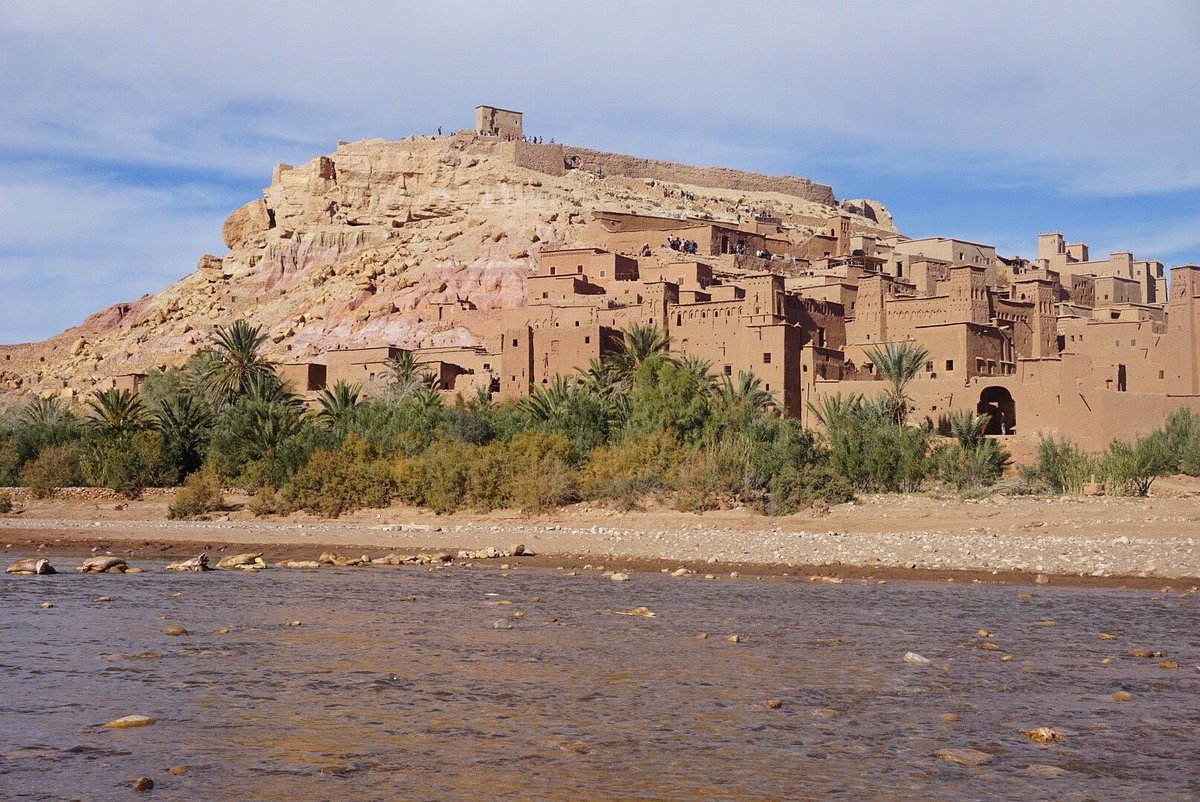
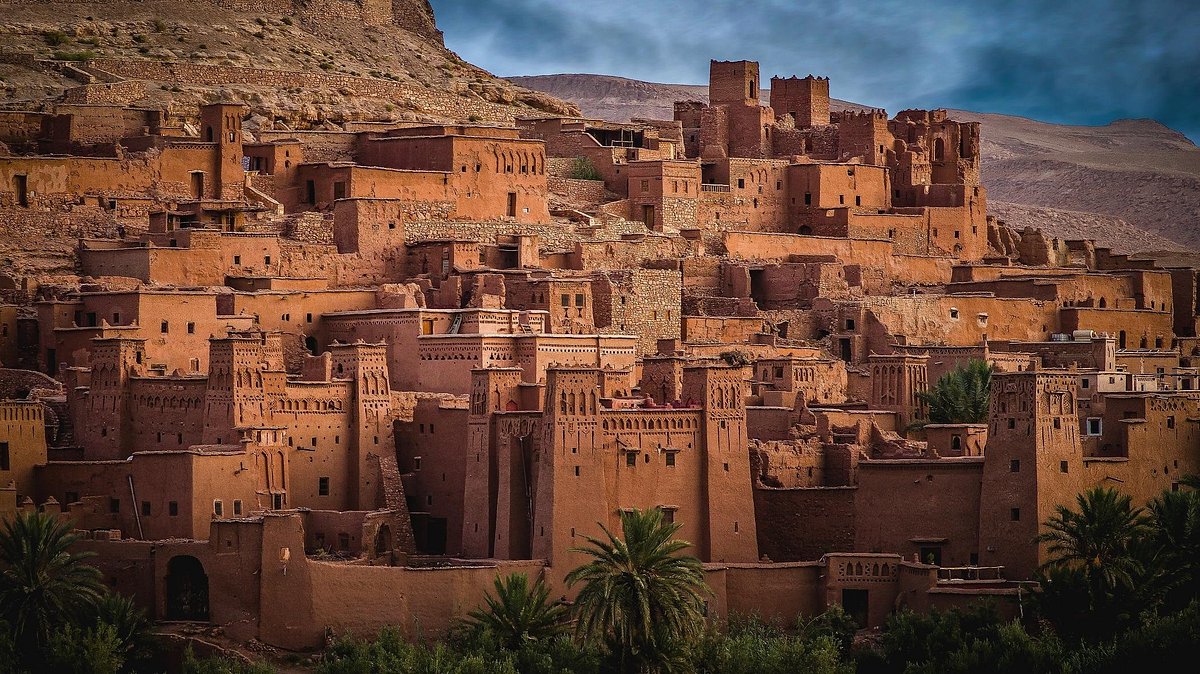
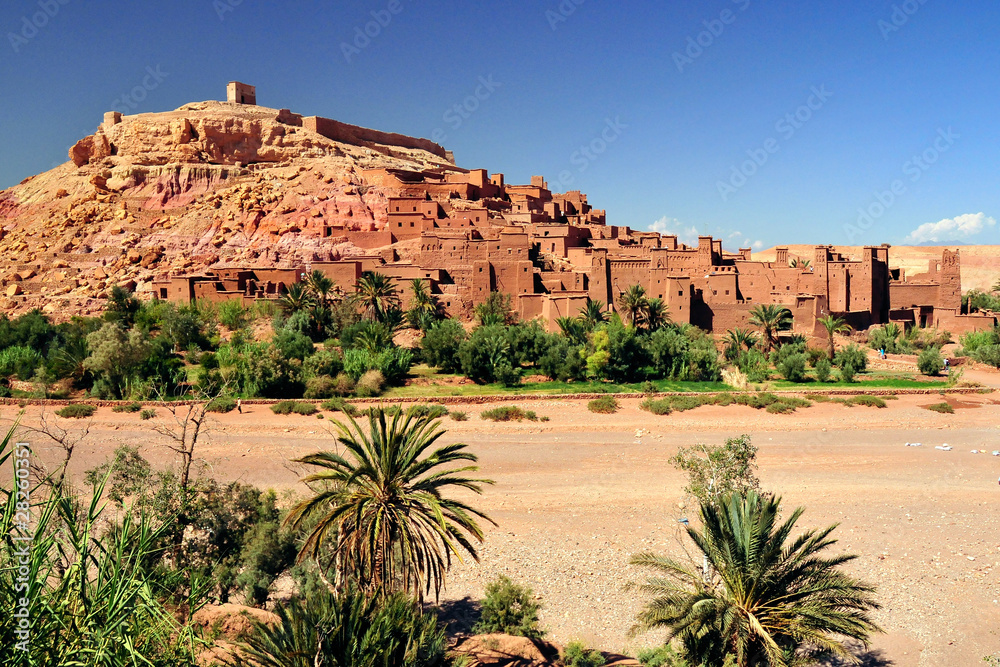
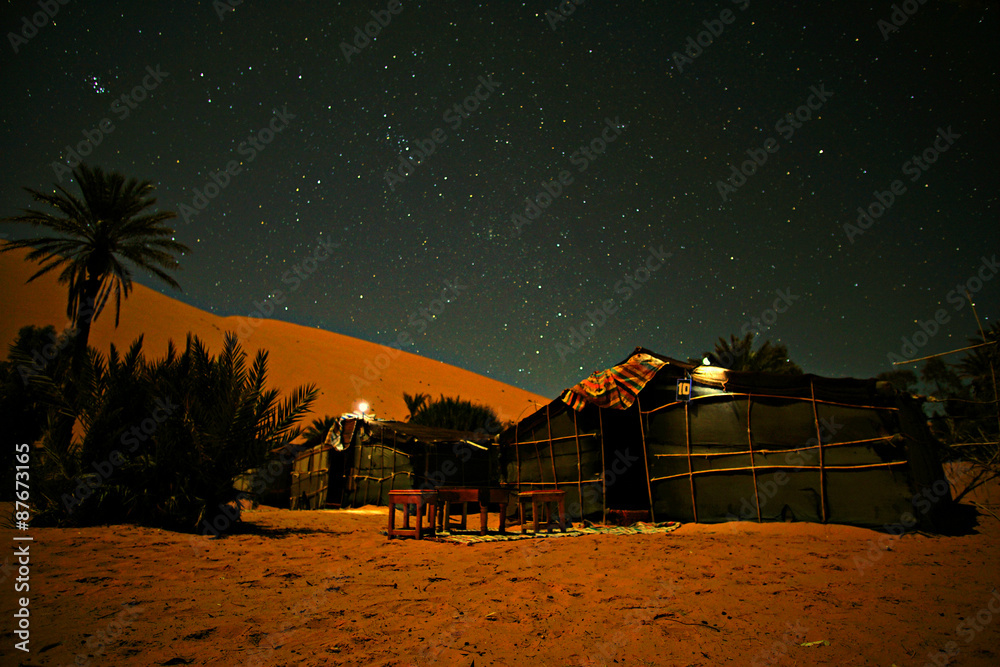
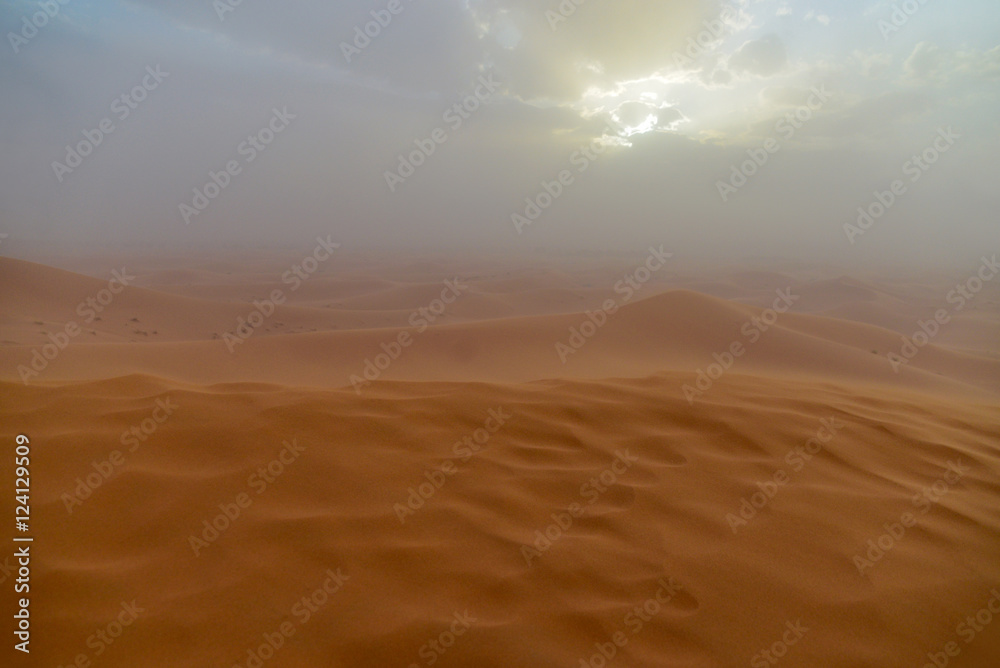
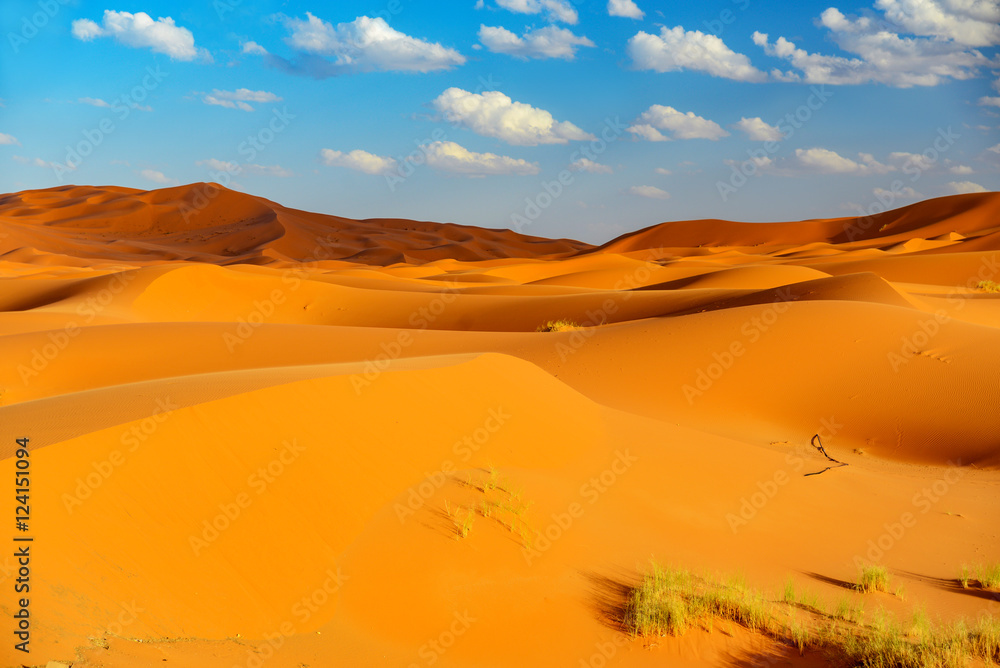
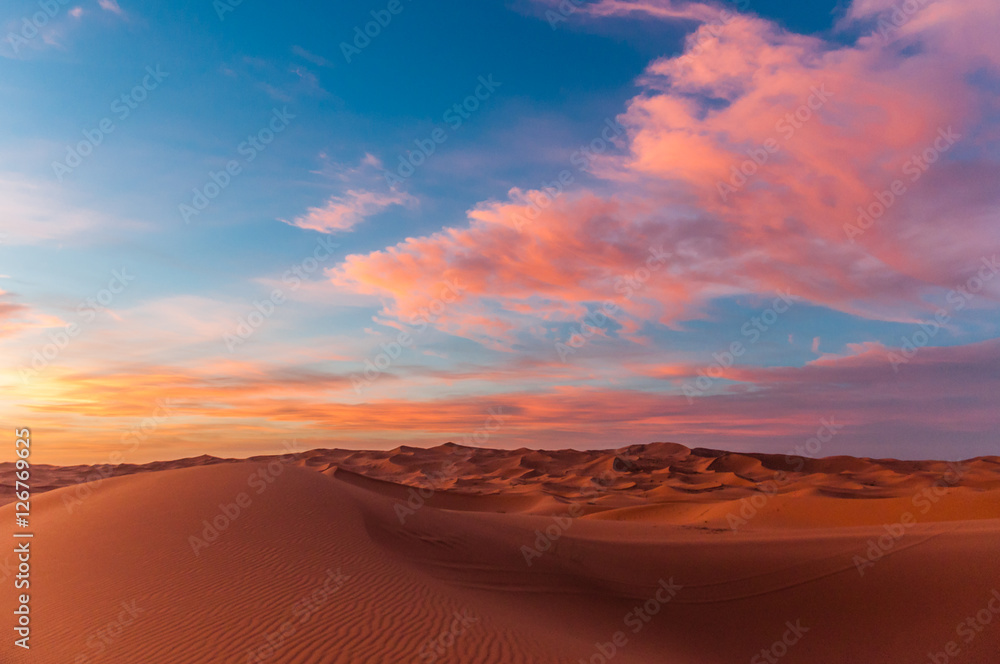
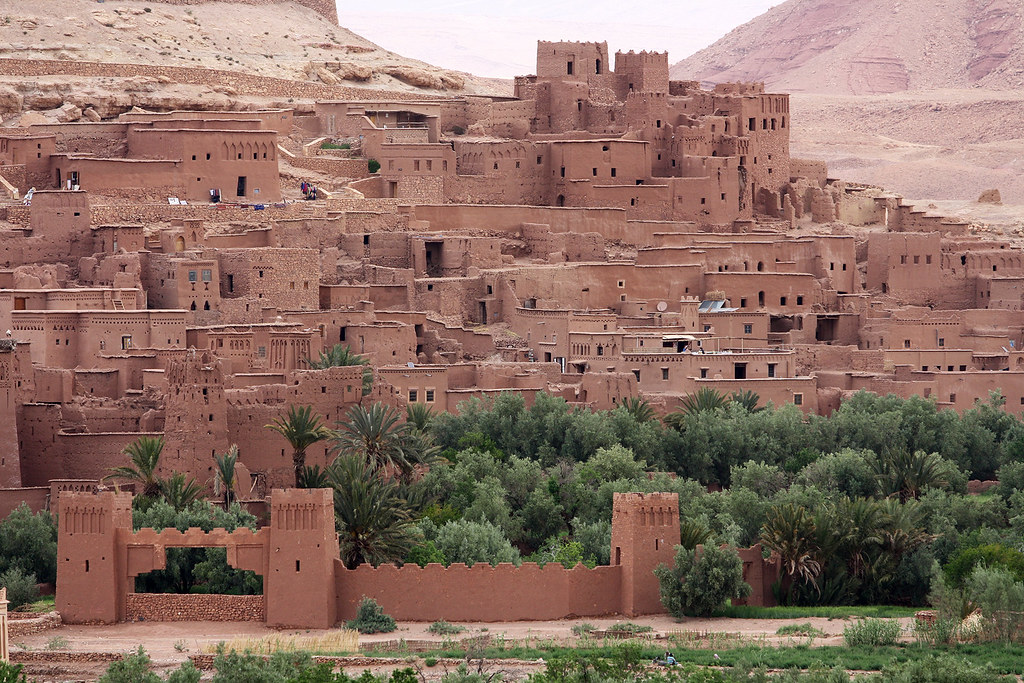
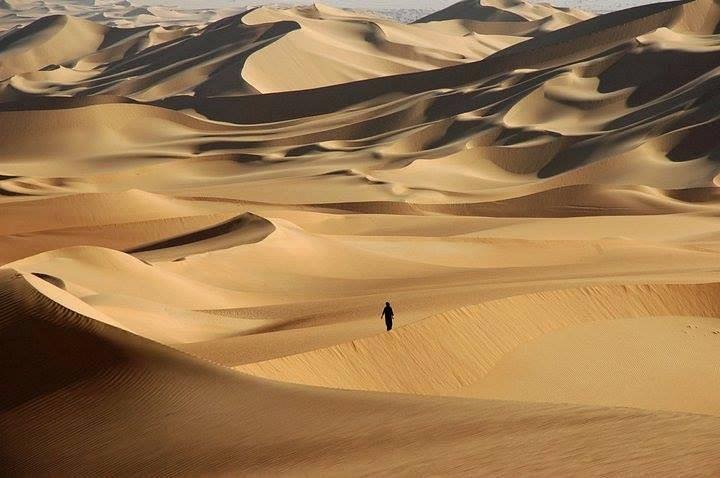
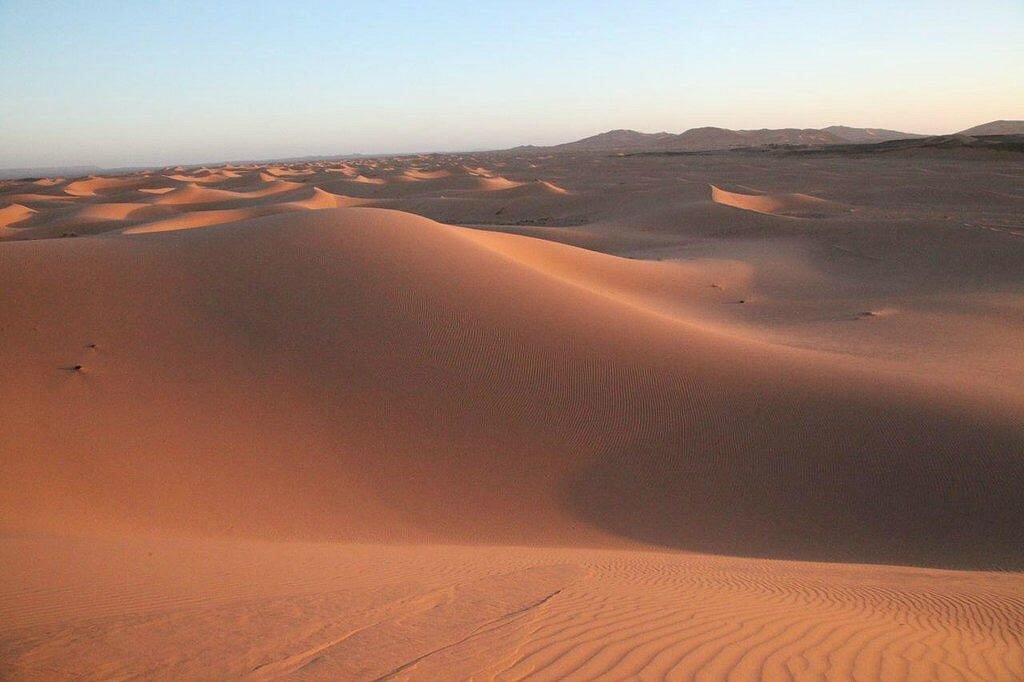
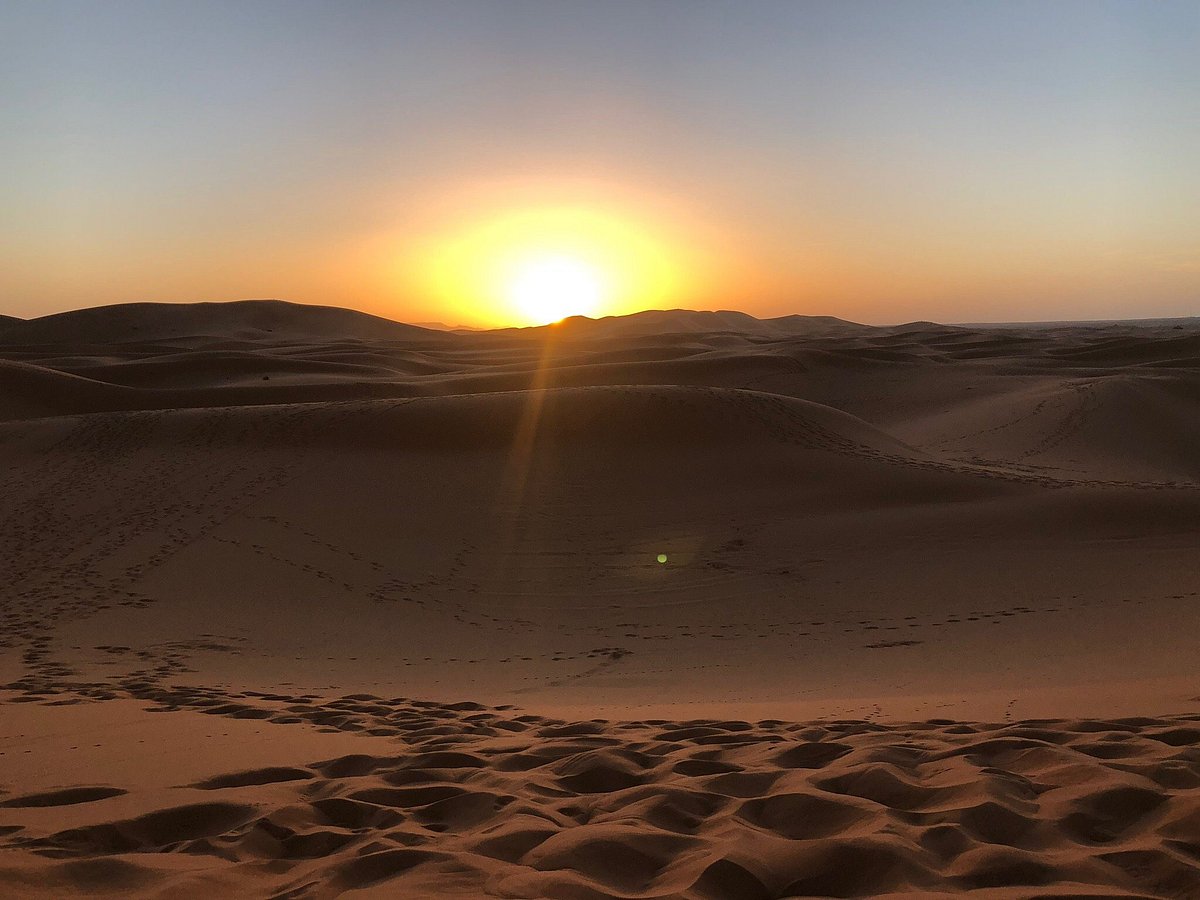
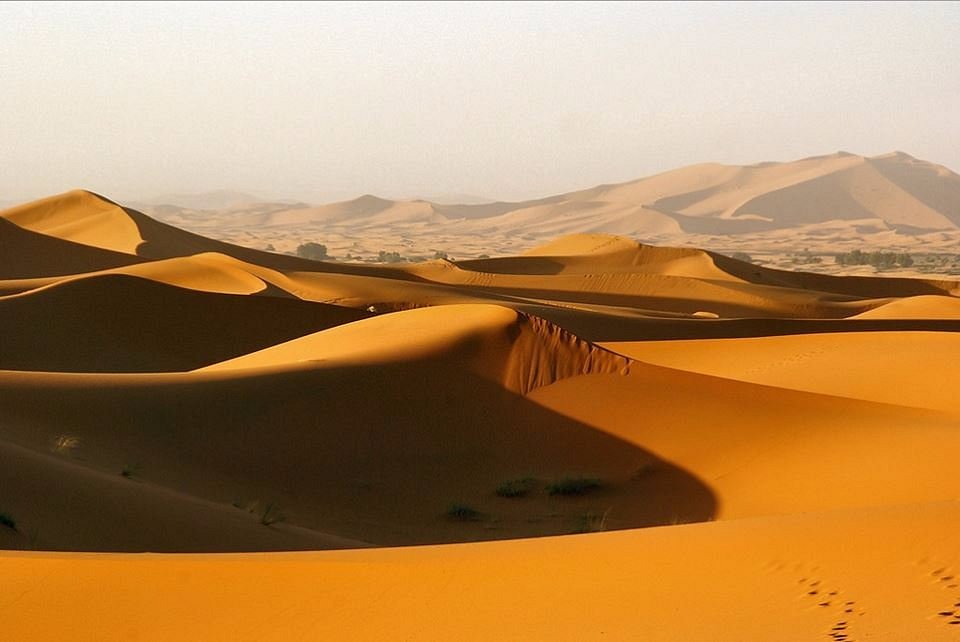
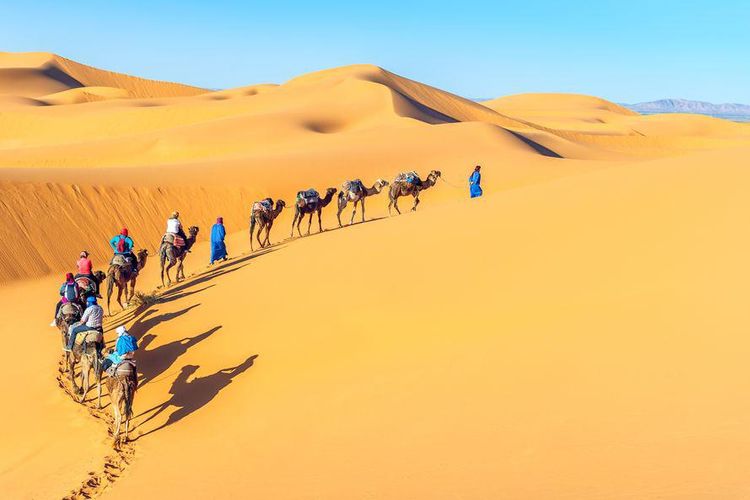
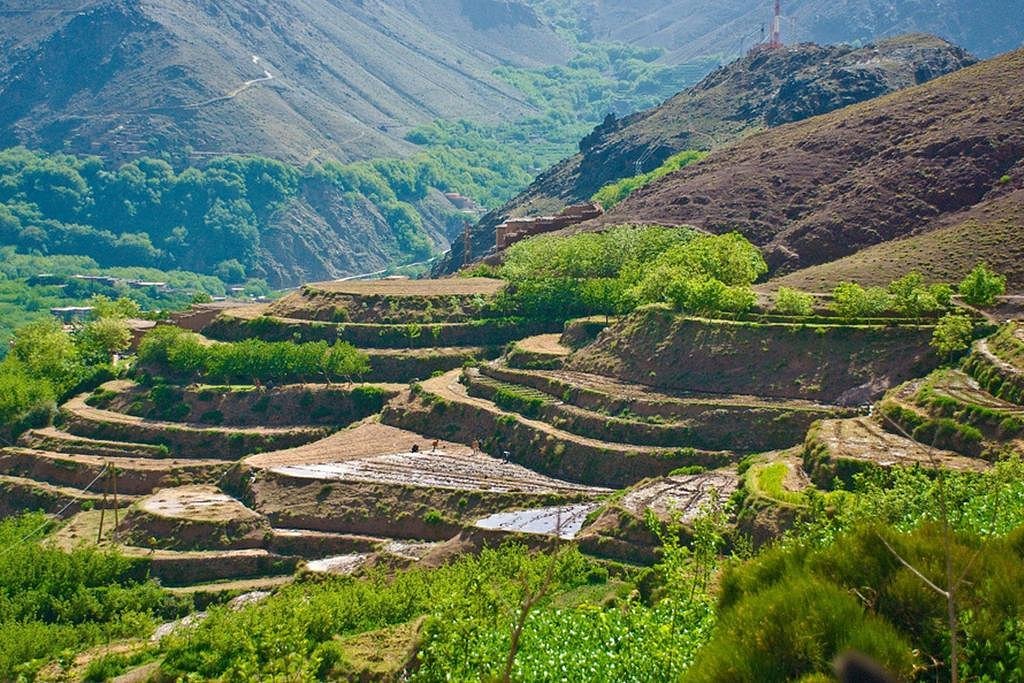
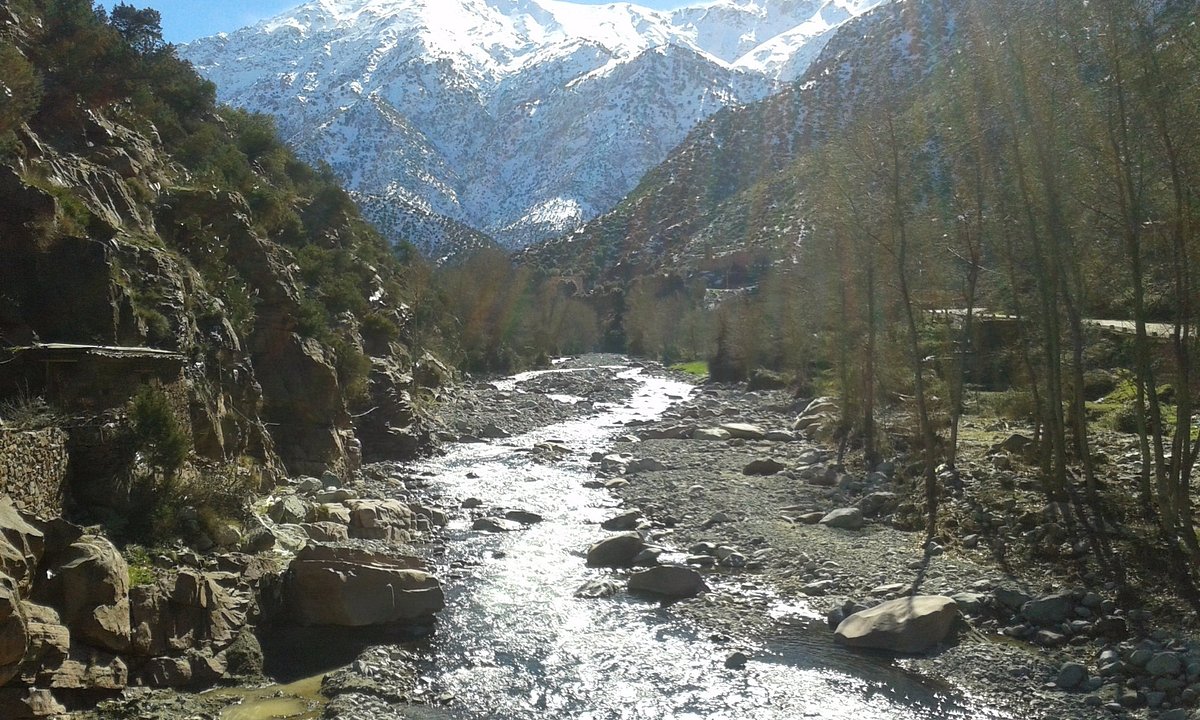
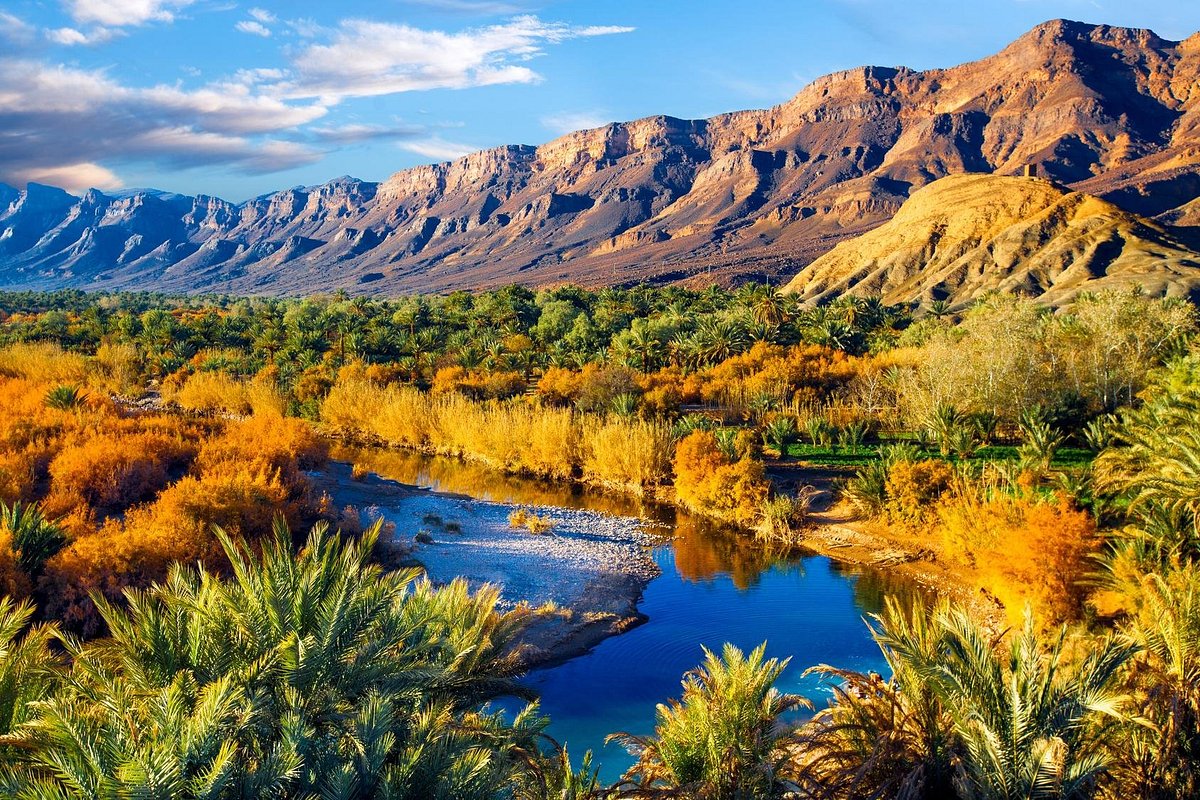
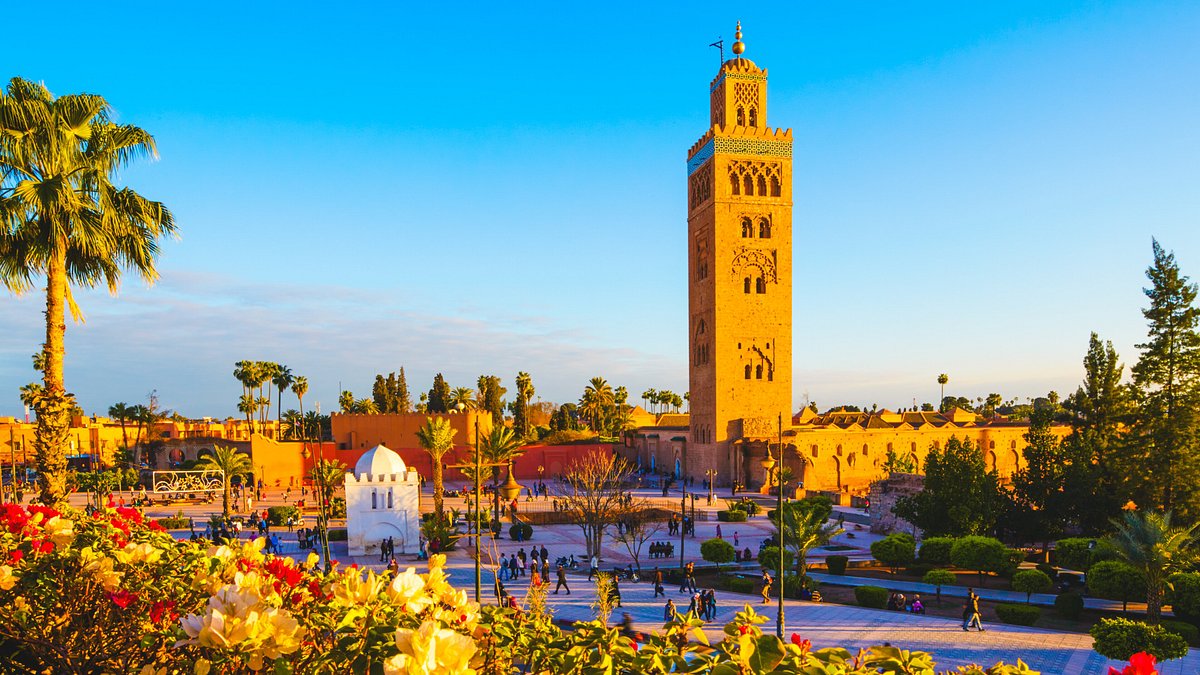
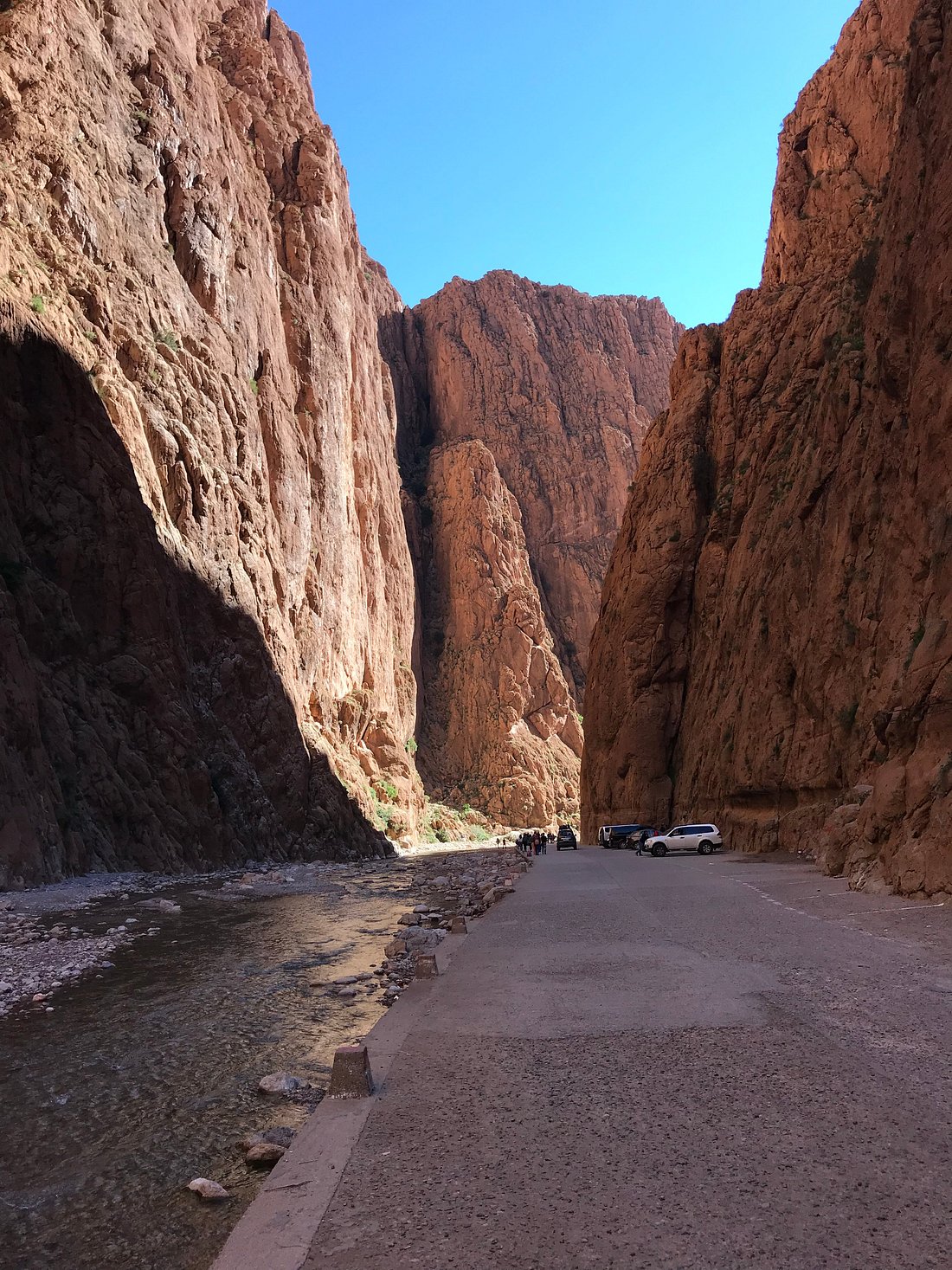
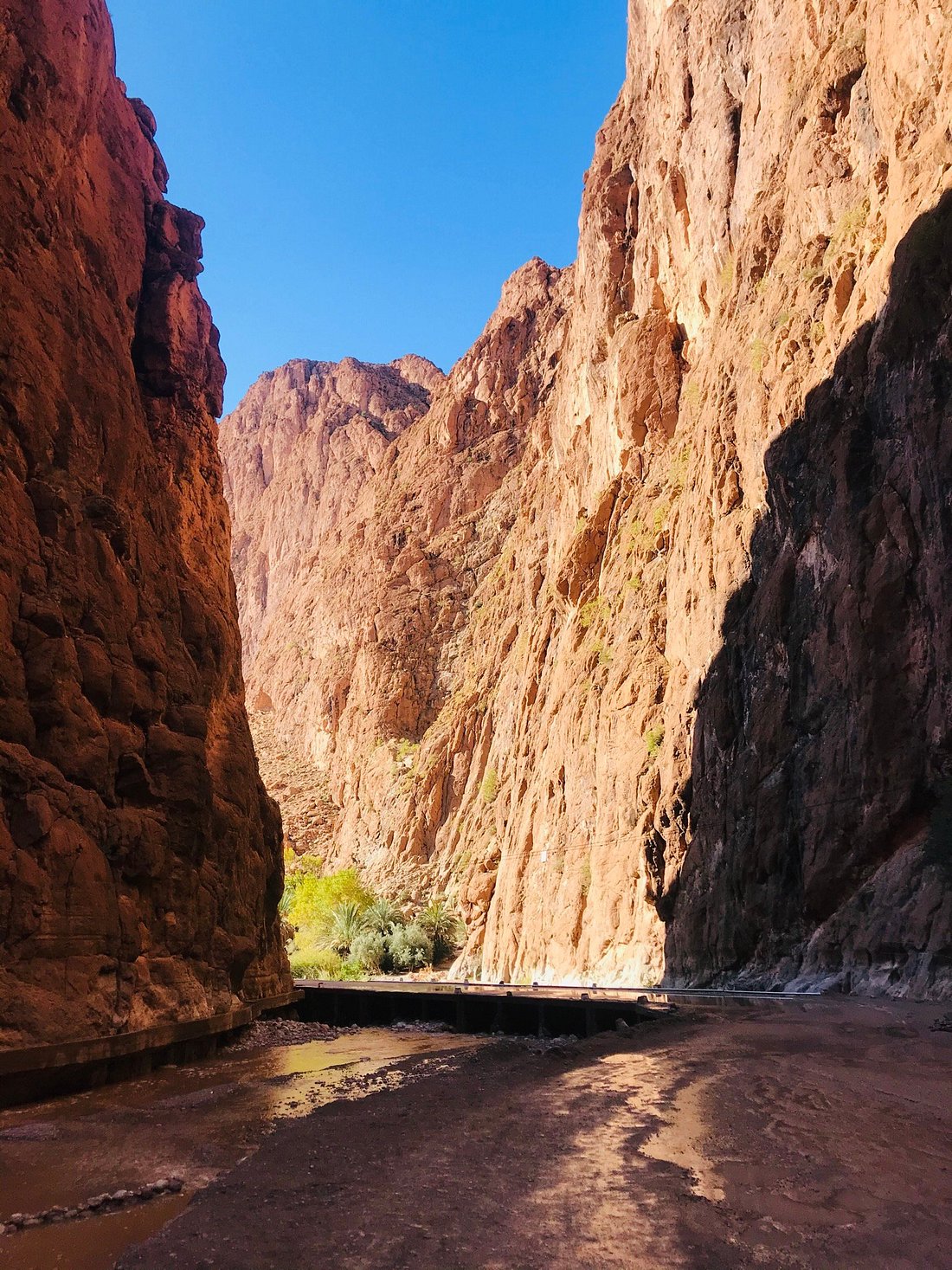
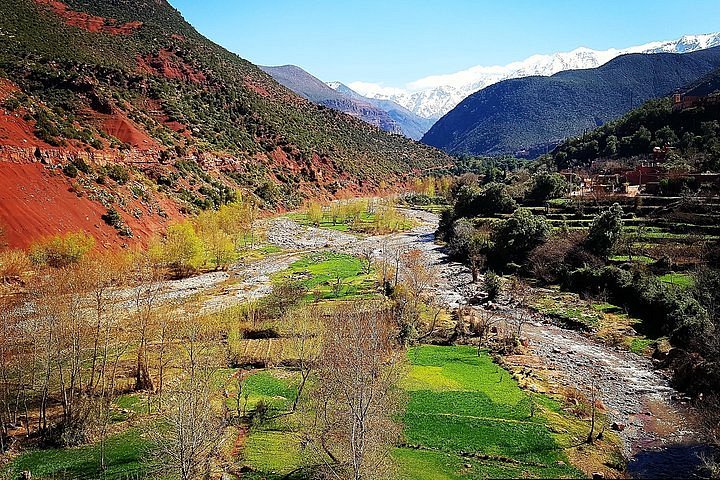
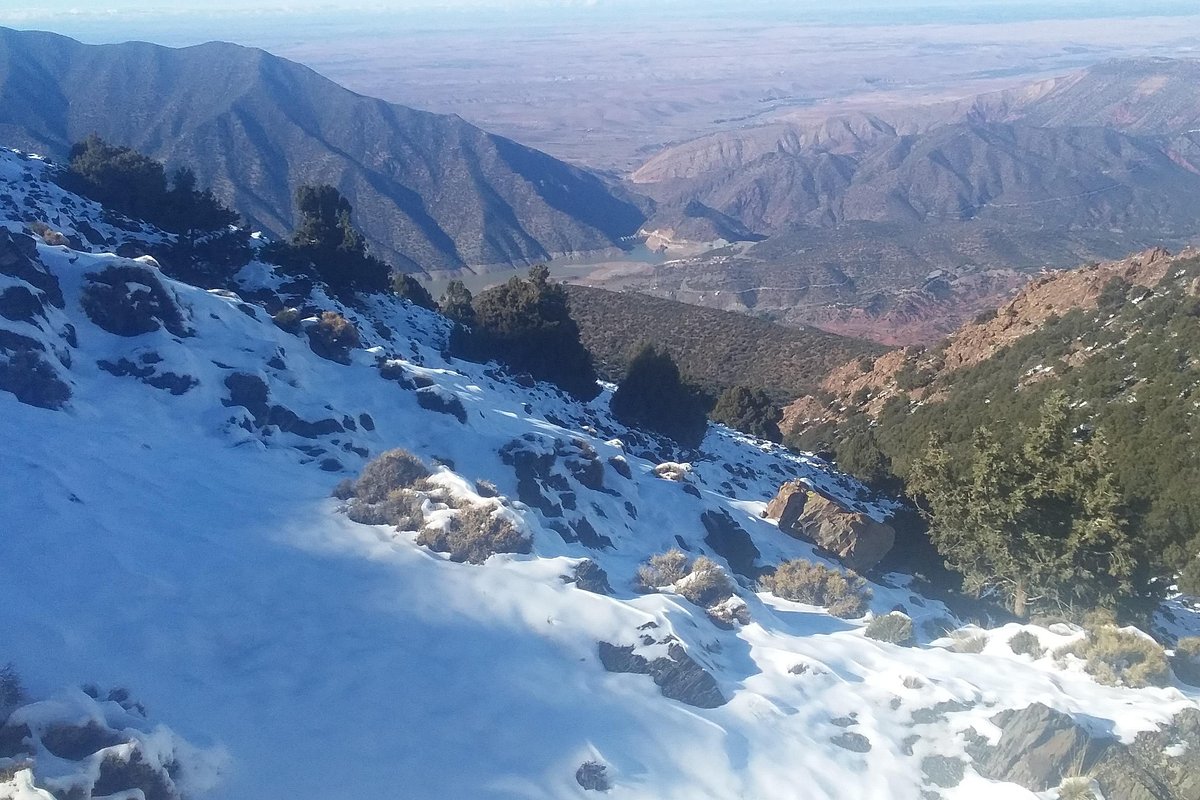
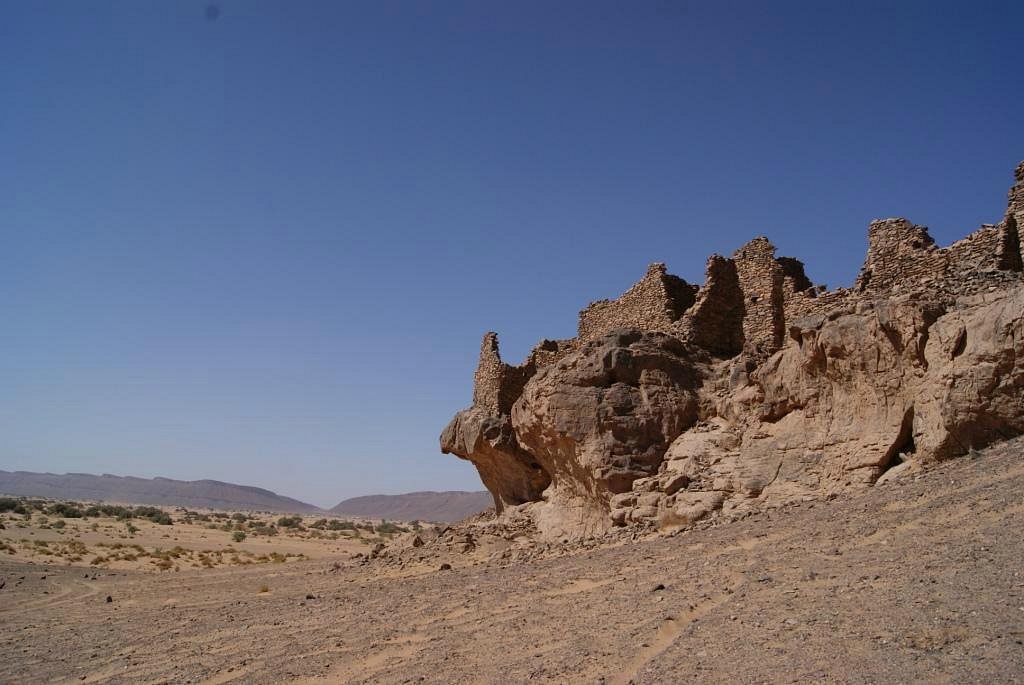
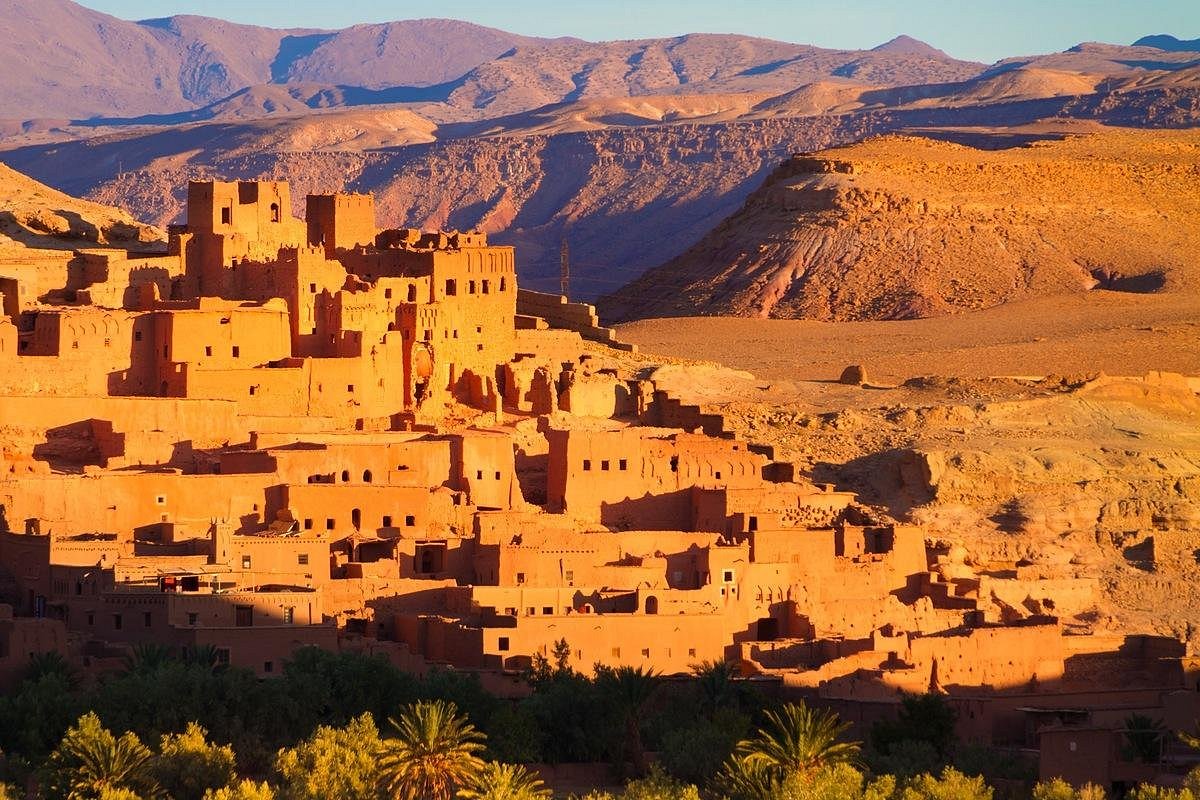
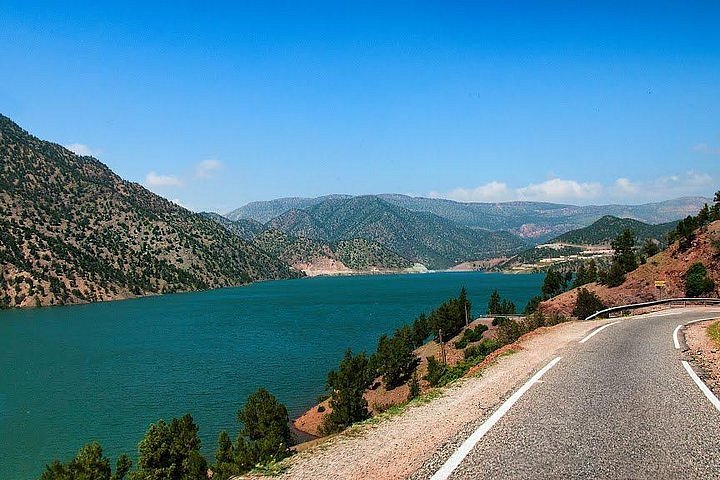
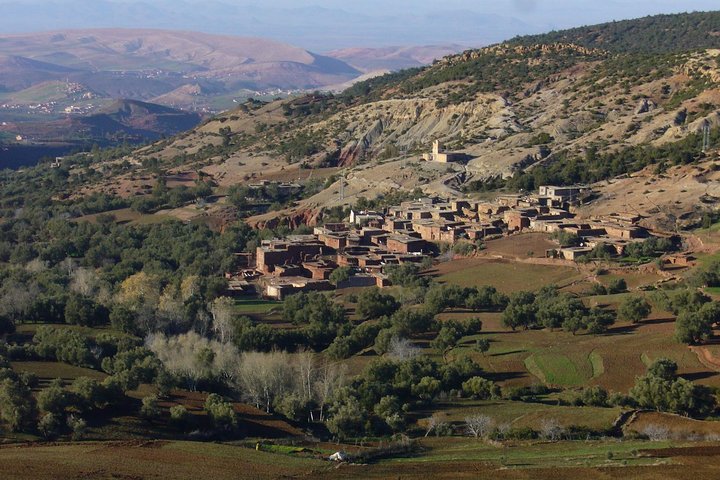
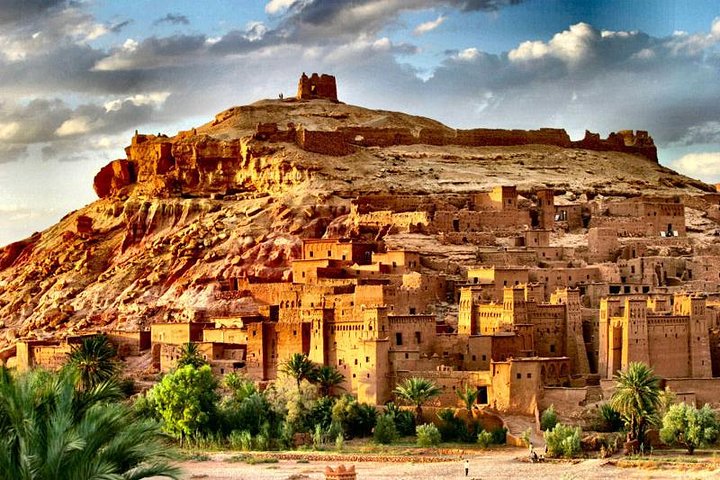
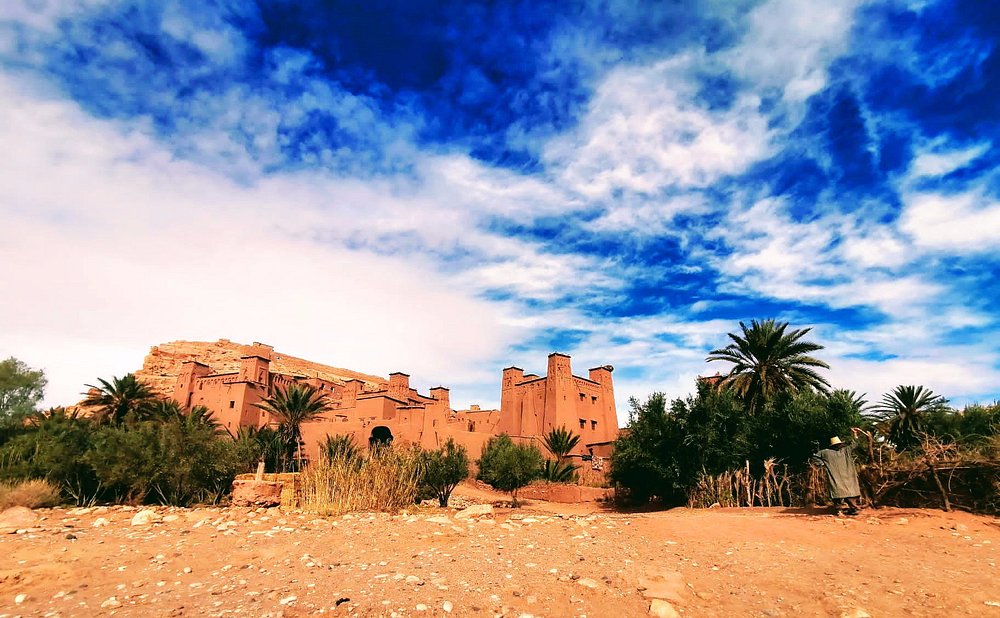
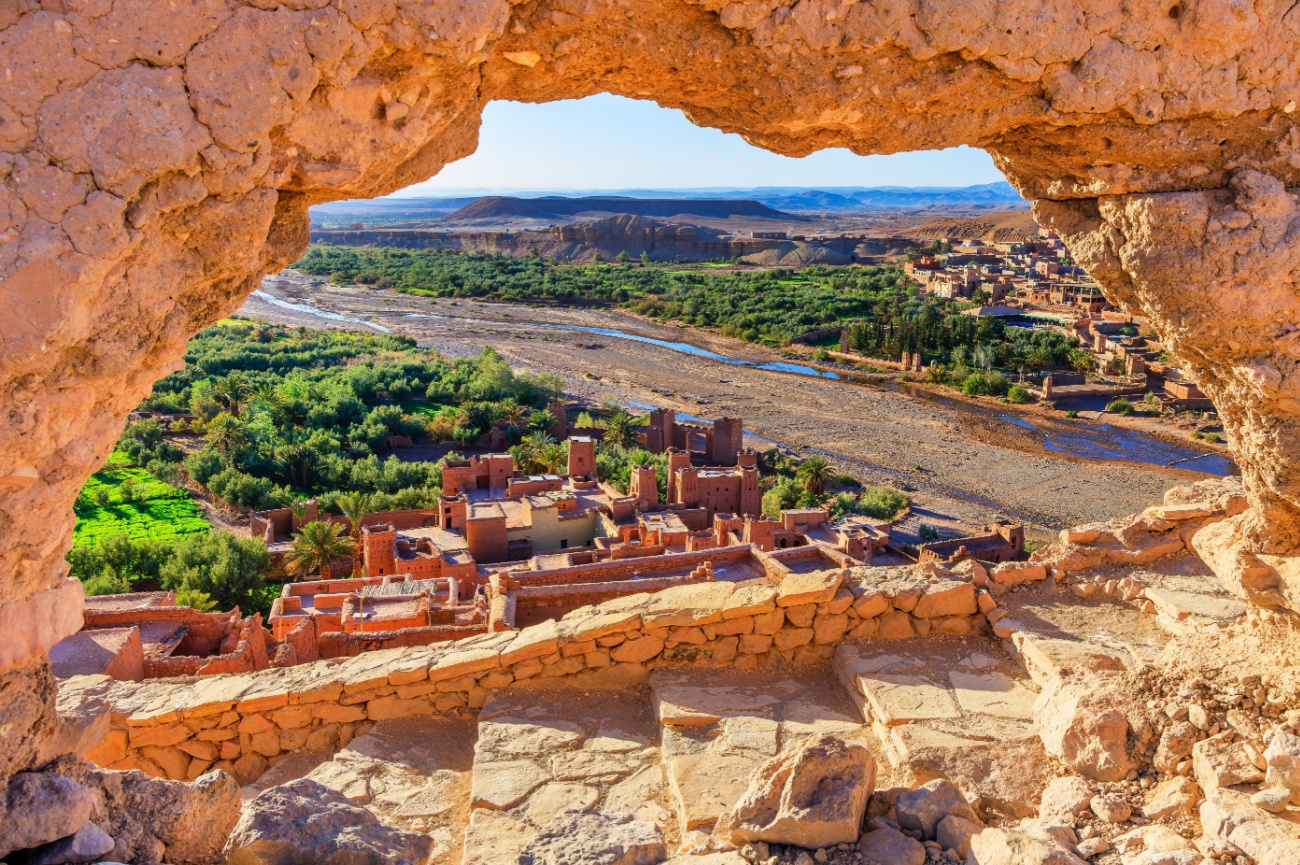
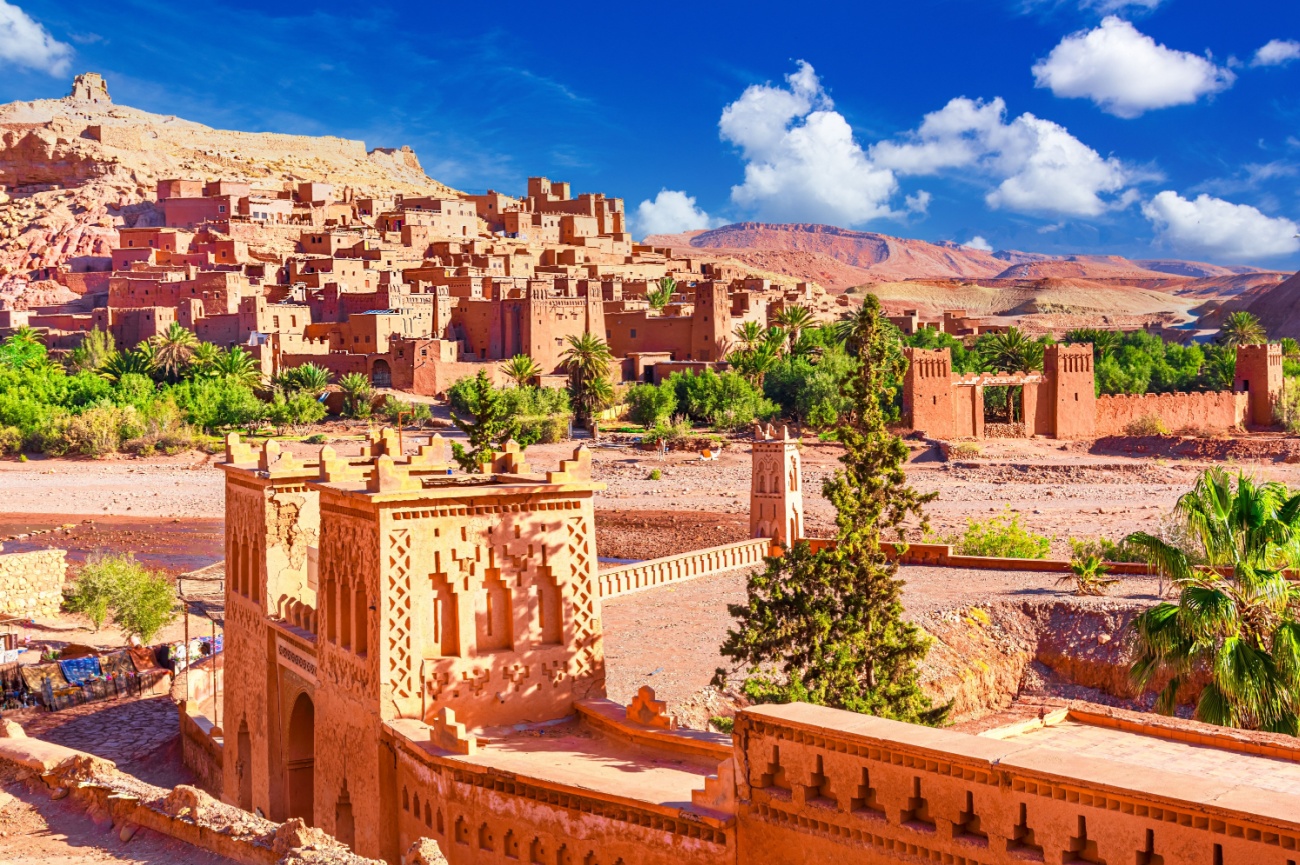
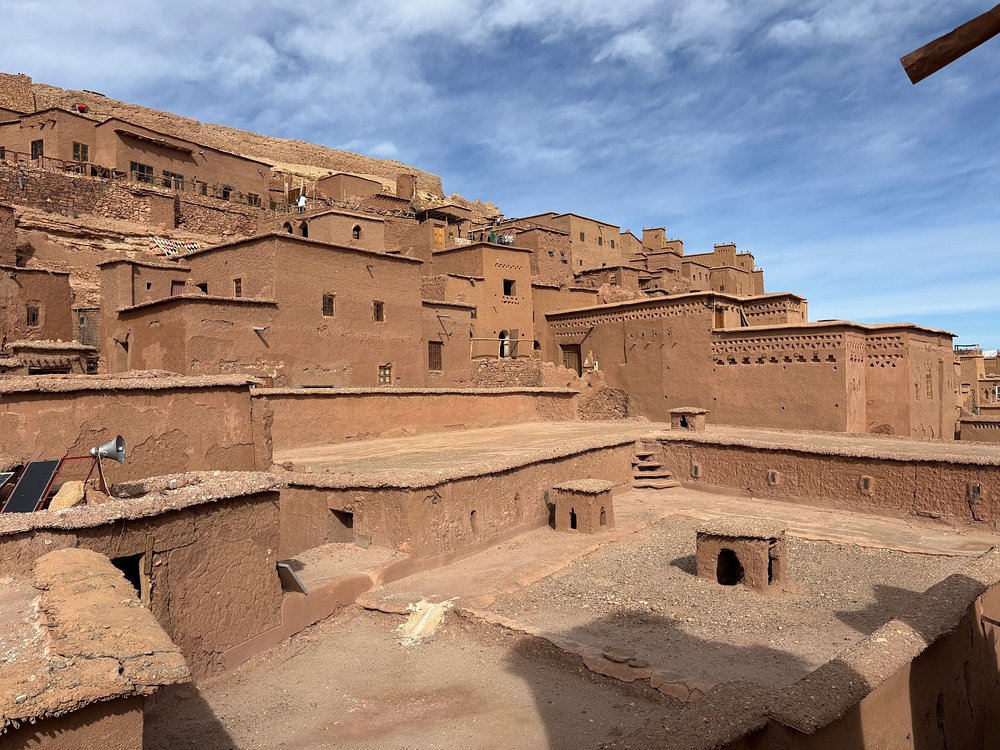
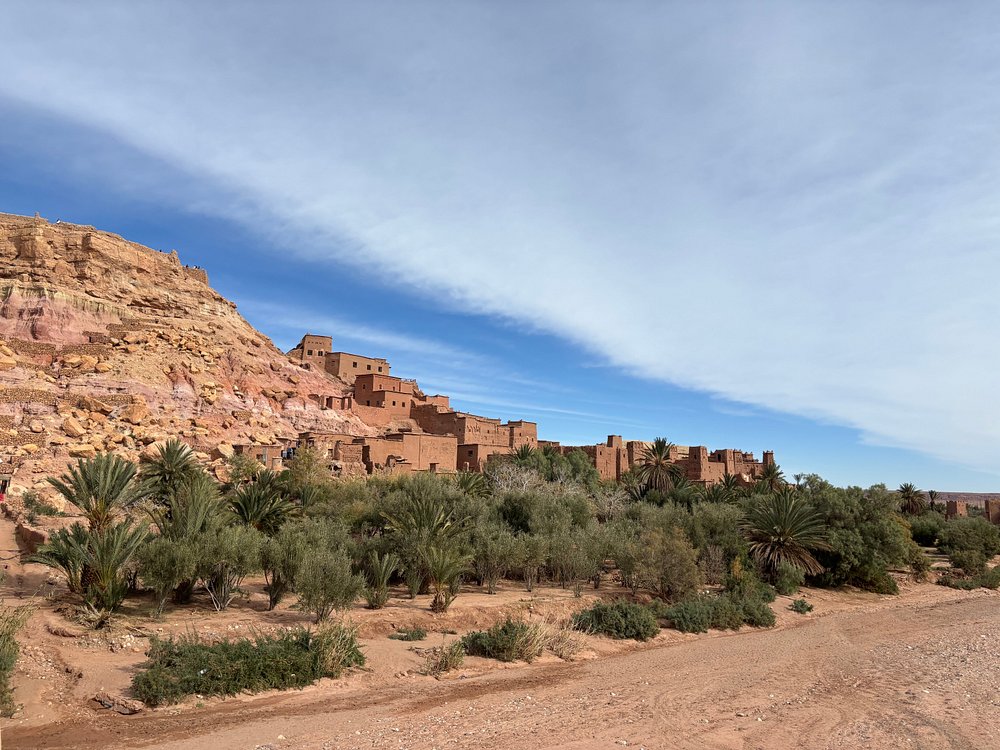
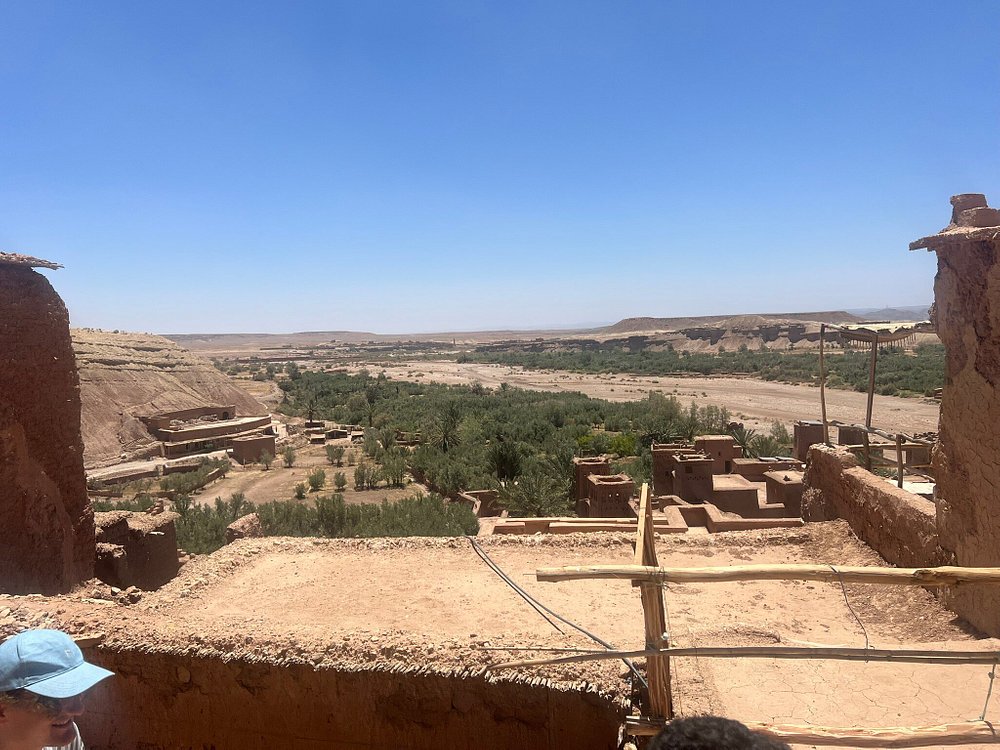
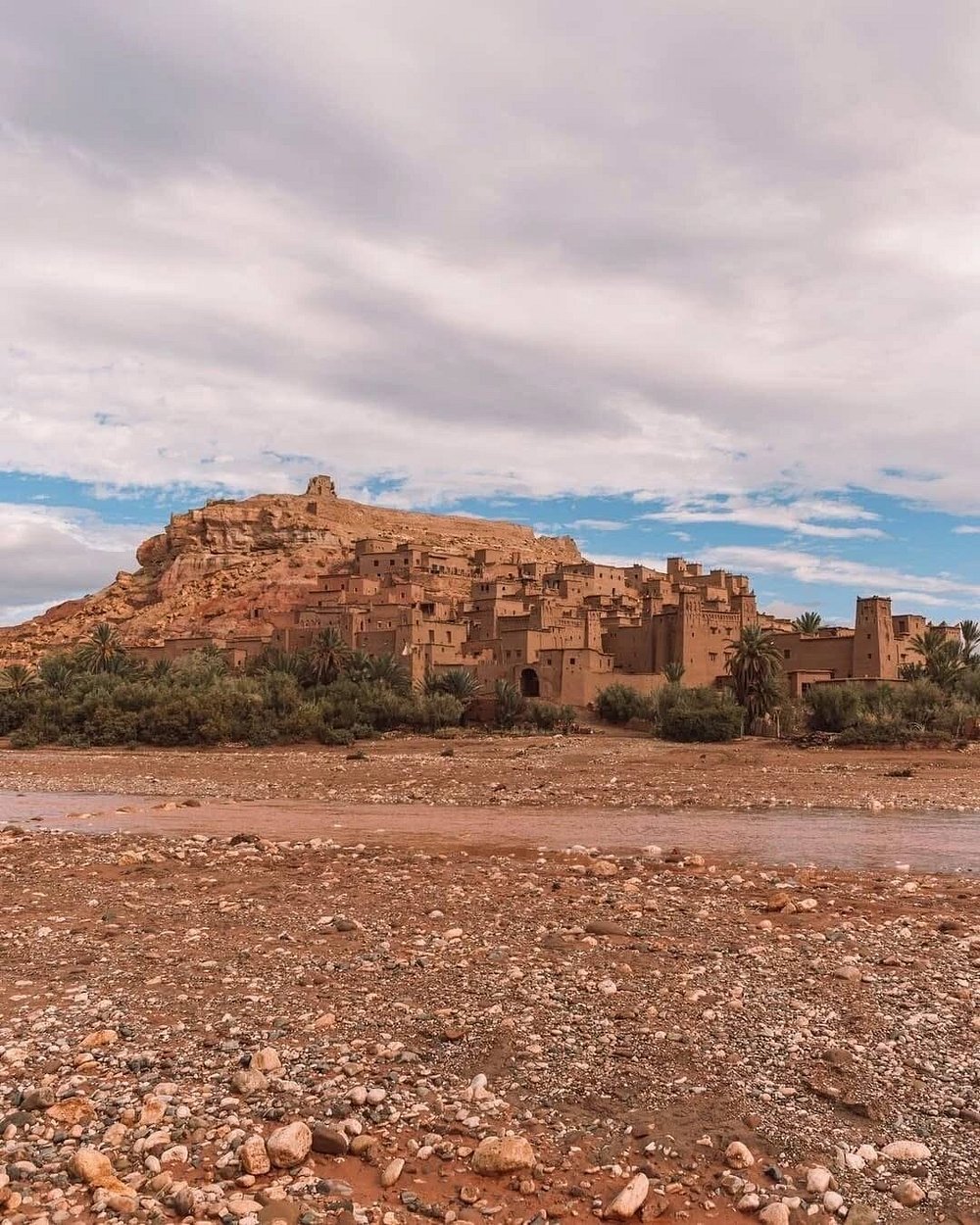
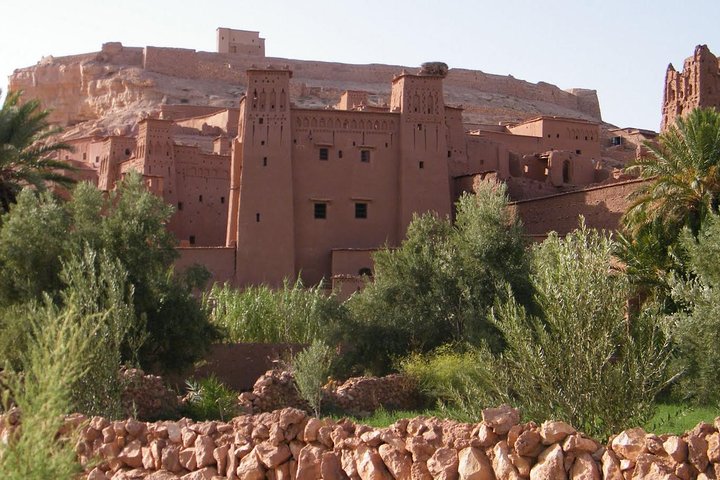
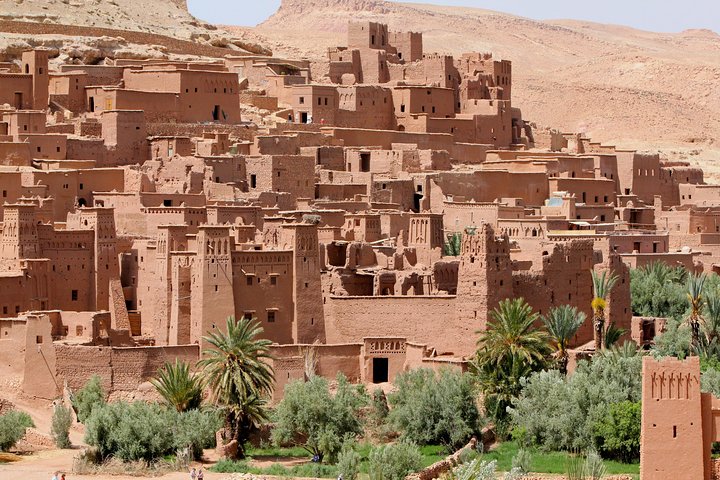
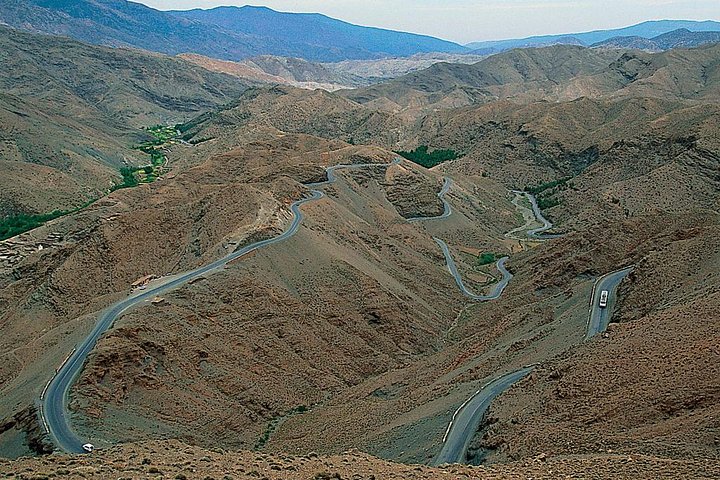
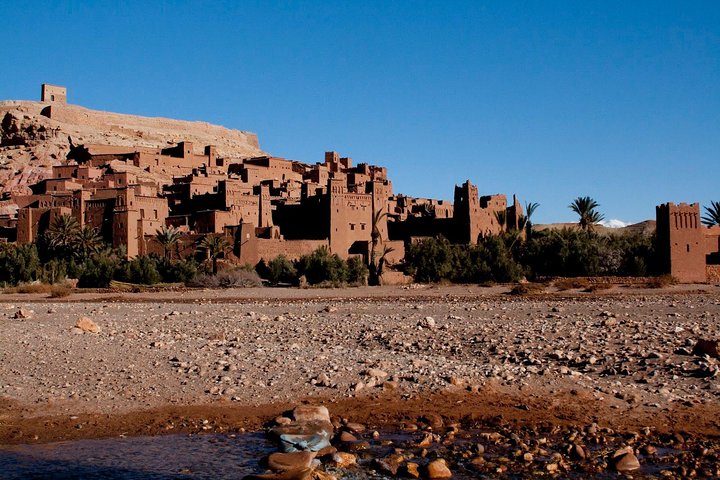
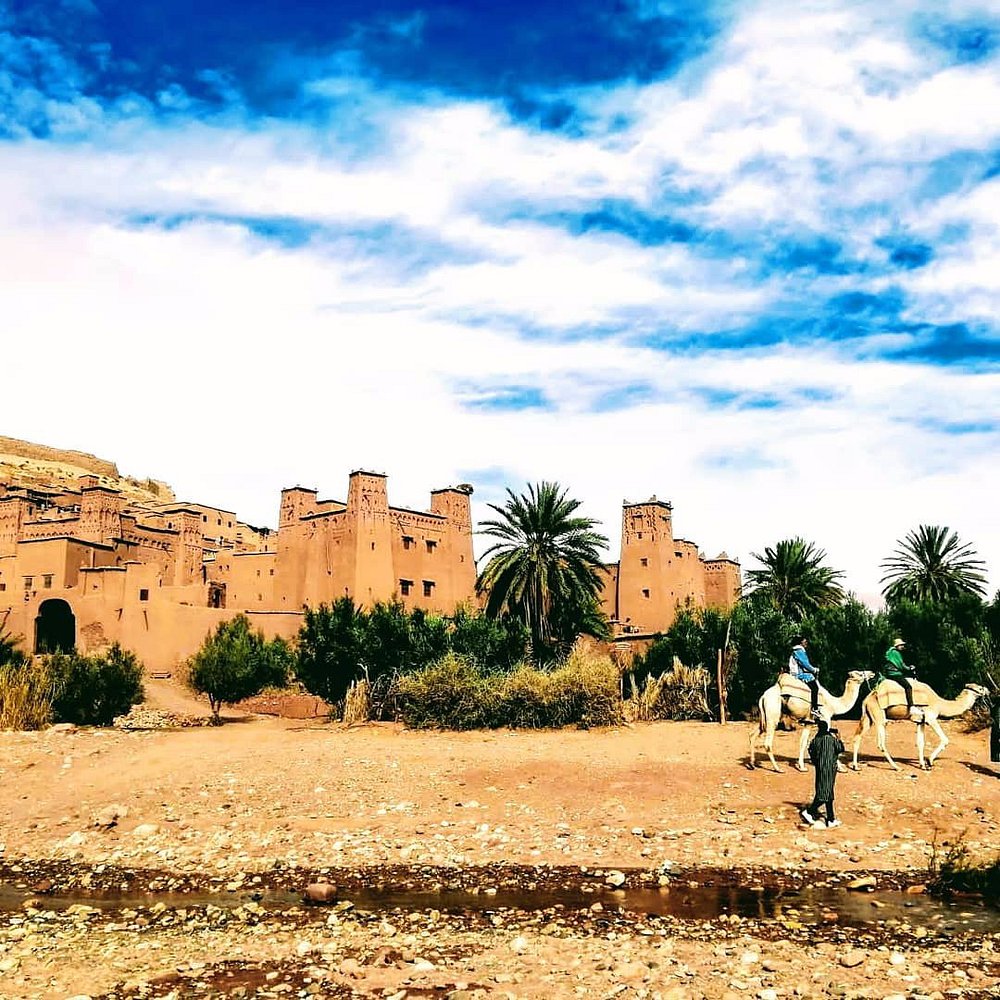
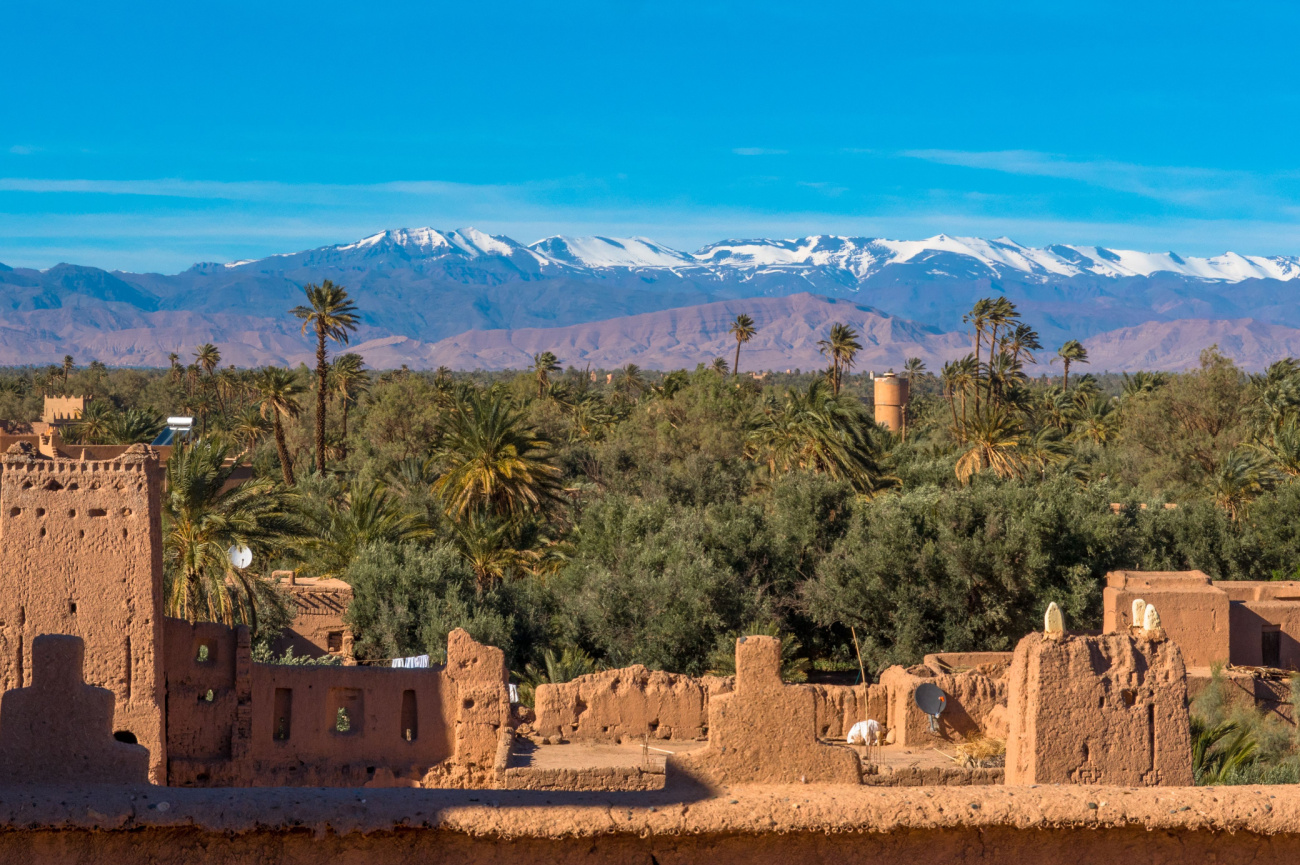
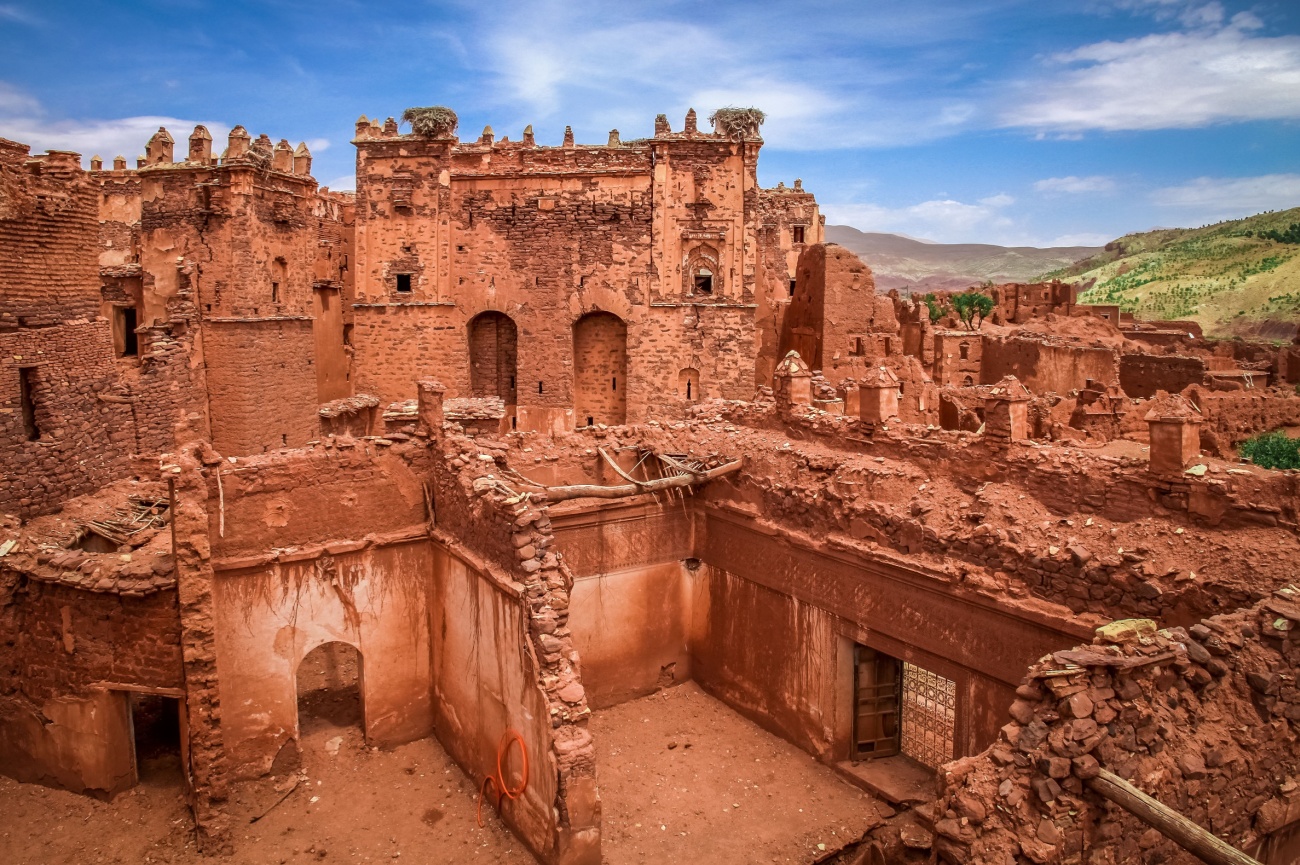
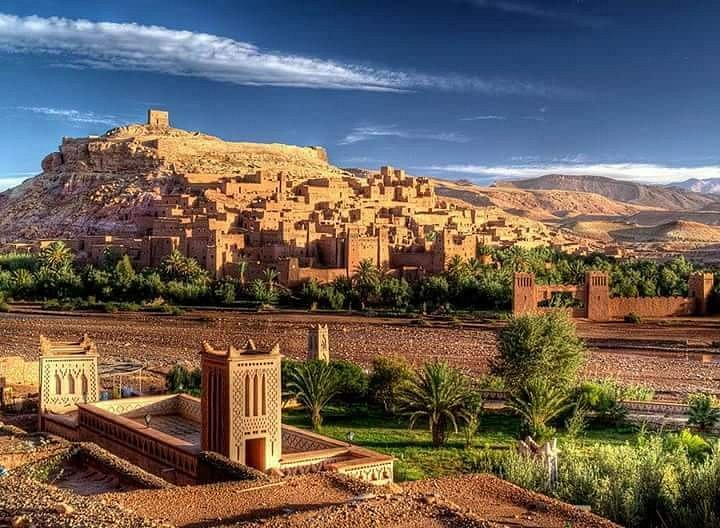
From the sprawling desert dunes of the Sahara and the snow-capped Atlas Mountains to the medieval majesty of Ait Ben Haddou and the historic medinas of Marrakech — the visual possibilities are limitless.

INDUSTRIAL-SCALE INFRASTRUCTURE

Home to the legendary Atlas Studios in Ouarzazate — the largest in the world — Morocco provides the scale and facilities required for the most ambitious epics or modern action thrillers.

PROVEN FINANCIAL INCENTIVES

Productions benefit from a 30% cash rebate on eligible local expenditure, coupled with VAT exemptions and a highly cost-effective environment that maximises every dollar of your budget.

RELIABILITY & EXPERTISE

With over 300 days of annual sunshine and a highly experienced, multilingual crew base that has worked on some of history's biggest films, Morocco is the industry's most reliable production partner.

Iconic Landscapes
SAHARA, ATLAS
& AIT BEN
HADDOU

From the golden dunes of the Sahara to the snow-capped Atlas Mountains, the ancient ksar of Ait Ben Haddou and the vibrant medinas of Marrakech — Morocco is a world unto itself.

Sahara Desert
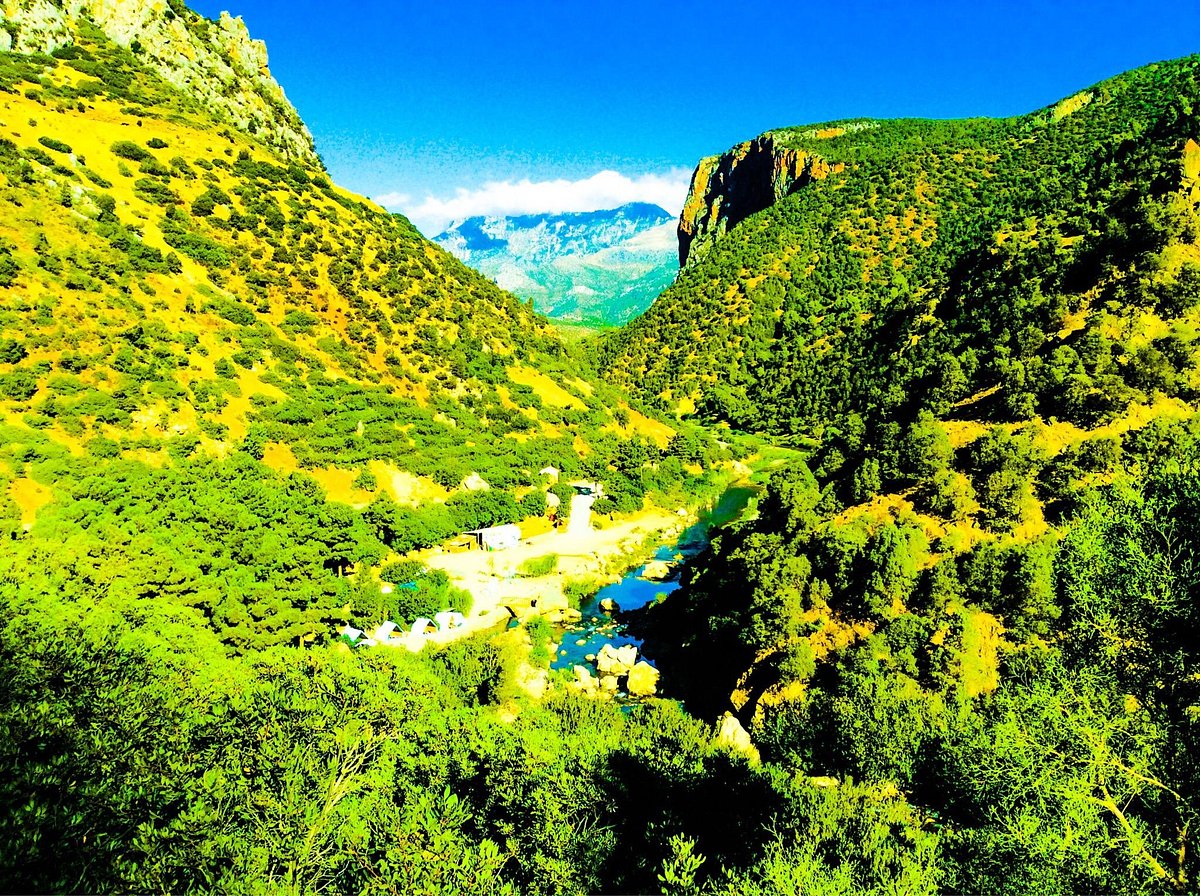
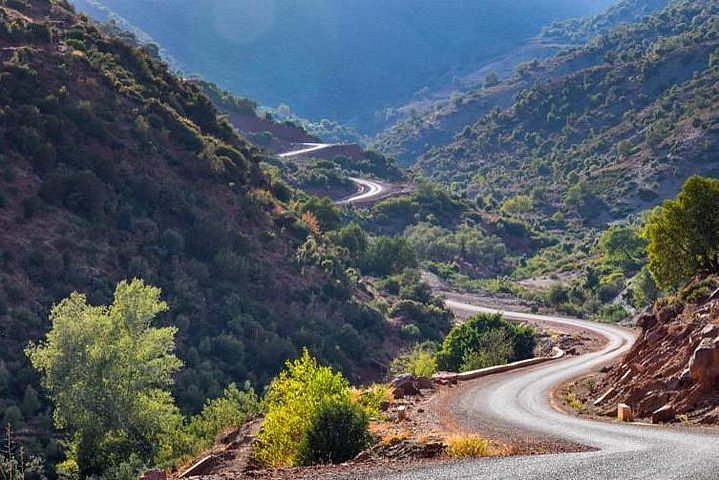
Atlas Mountains
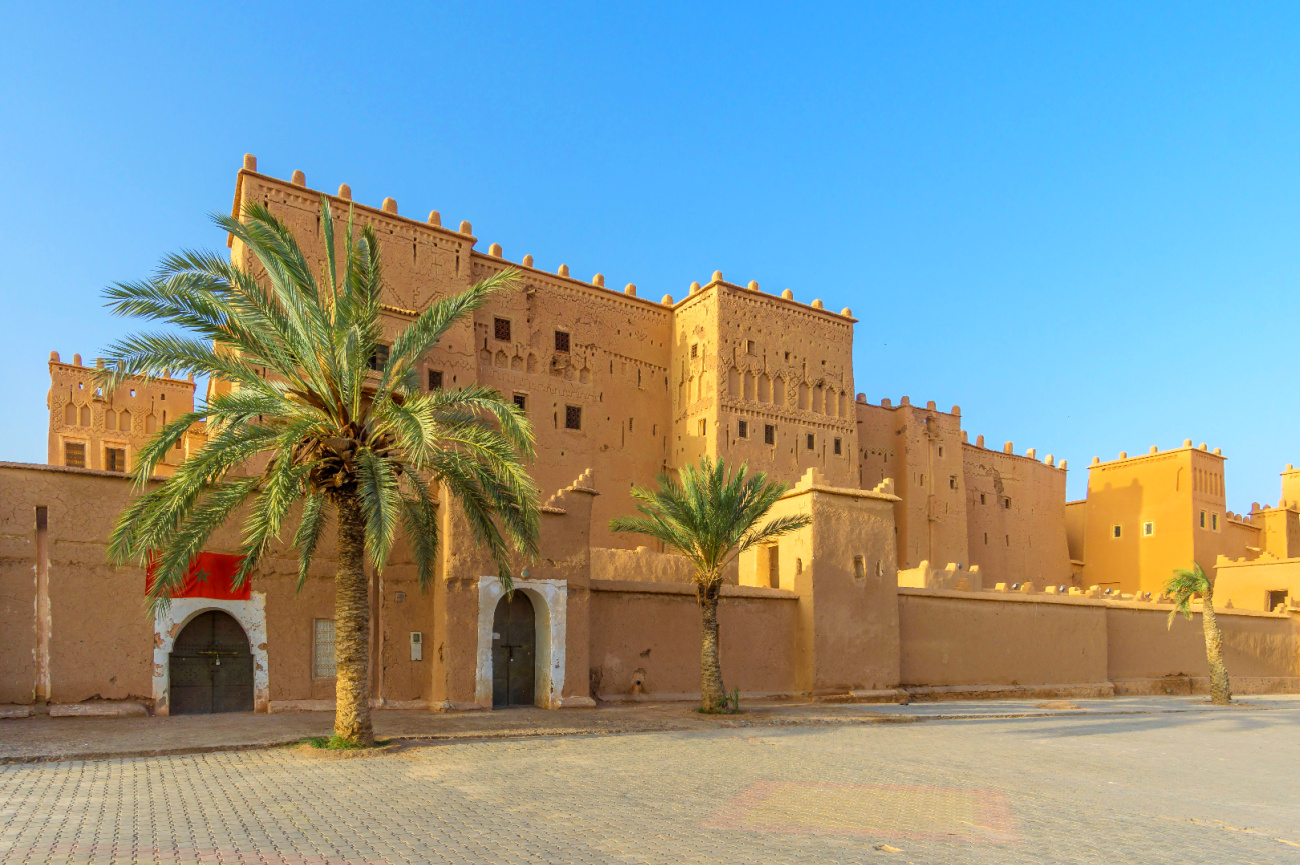
Ait Ben Haddou
Marrakech
Ouarzazate
THE KINGDOM
OF MOROCCO
Financial Incentives
UP TO 30%
CASH REBATE

Productions filming in Morocco benefit from a 30% cash rebate on eligible local expenditure, coupled with VAT exemptions and a highly cost-effective production environment.

Maximum Rebate
30%
Cash Rebate Program
30% on Eligible Local Spend
World-Renowned Facilities
Atlas Studios — Ouarzazate
Annual Filming Days
300+ Days of Sunshine
Limitless Productions
Morocco · Moroccan Film Commission Partner
The Kingdom awaits. Let's make it limitless.
Visual Gallery
THE KINGDOM
THROUGH THE LENS
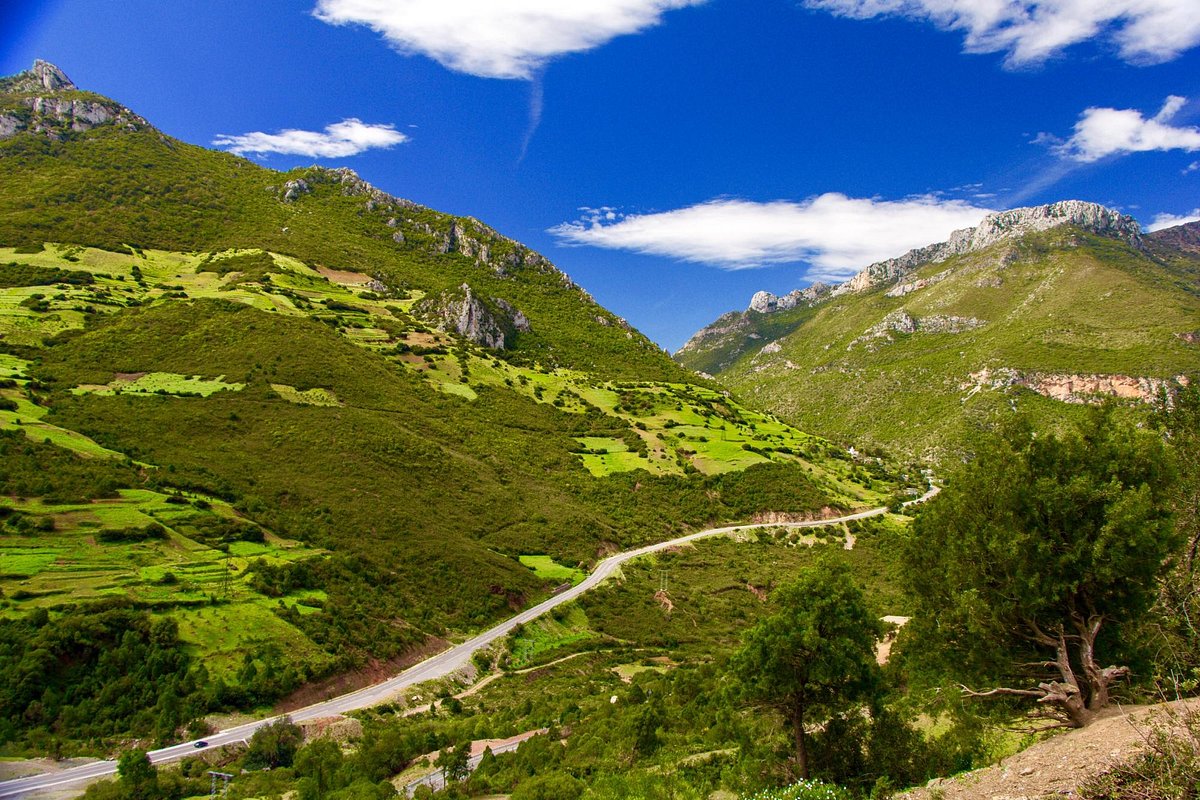
Every landscape in Morroco tells a story before the camera even rolls.
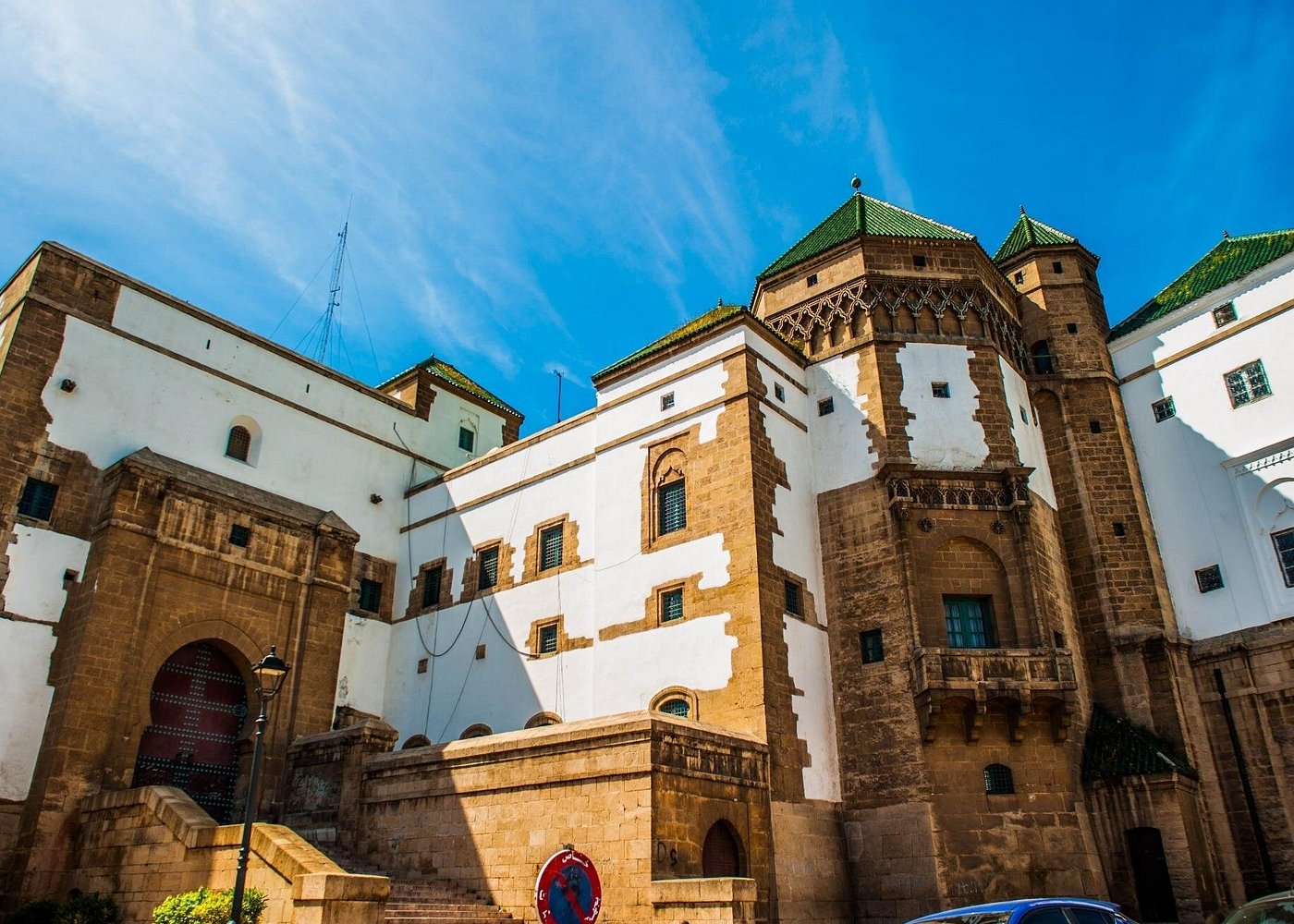
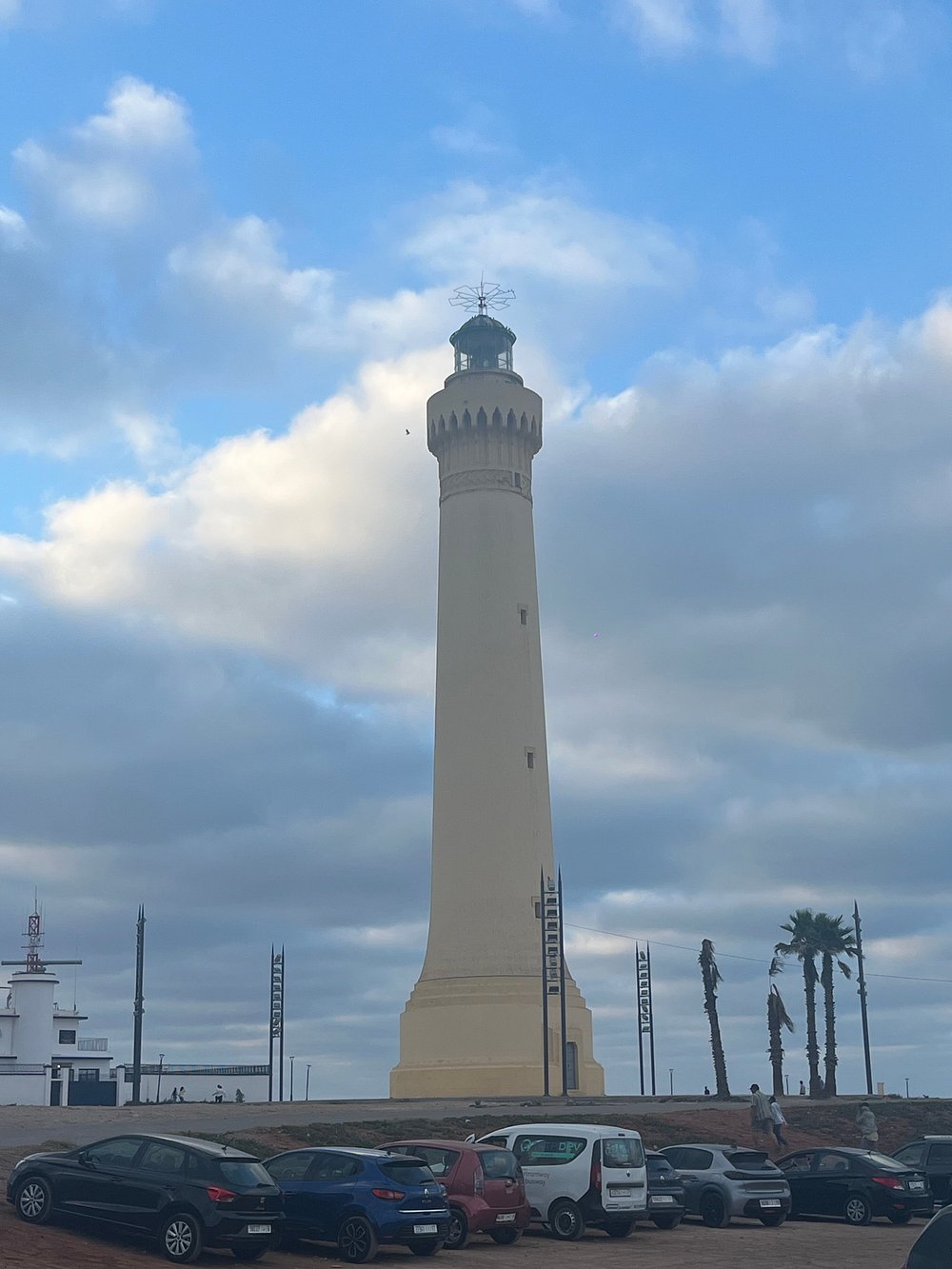
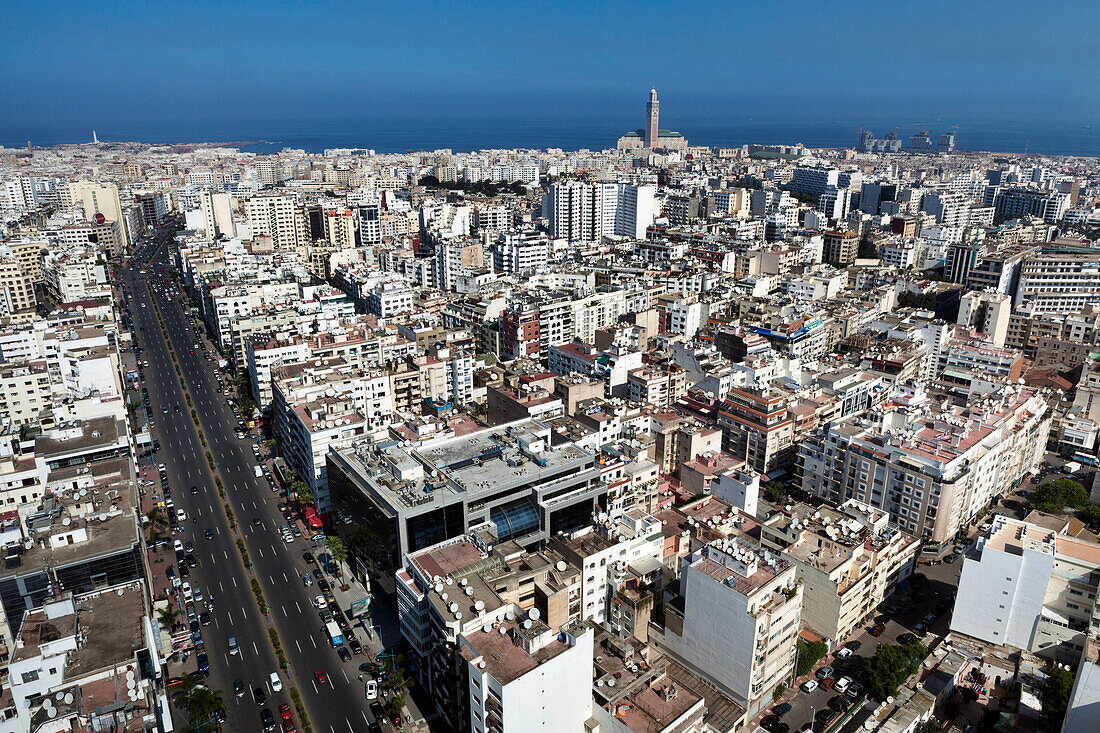
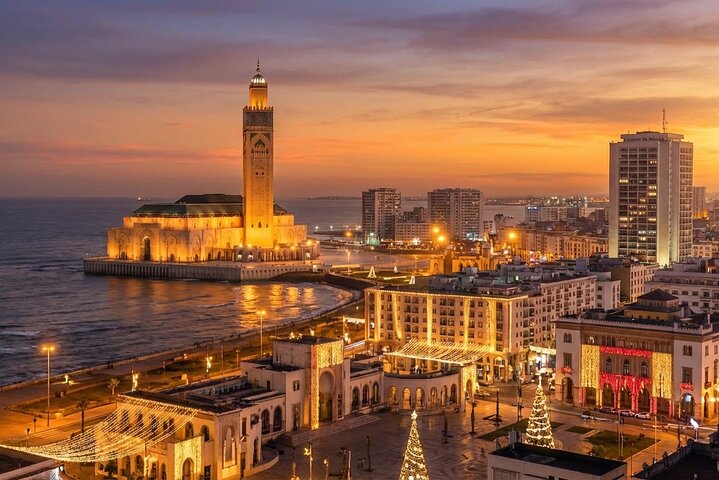
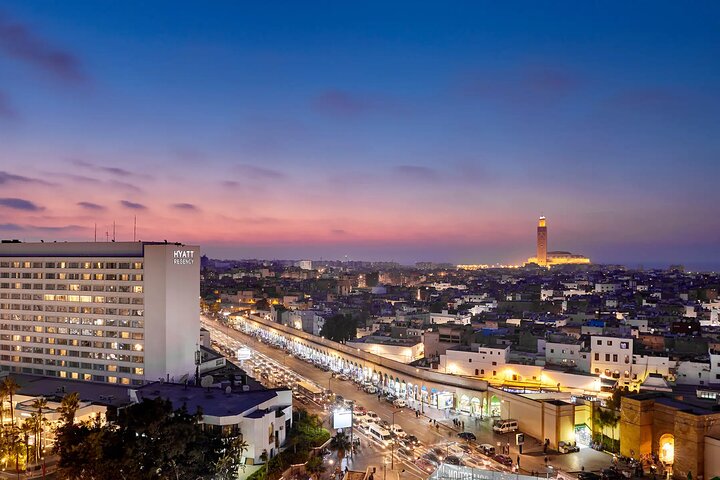
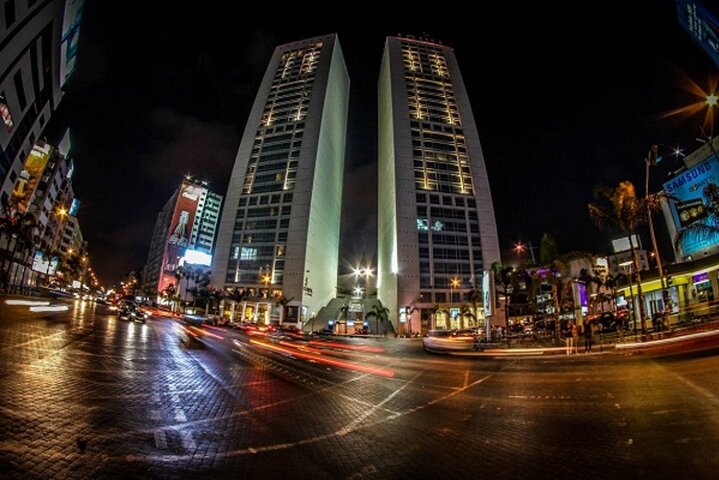
CASABLANCA
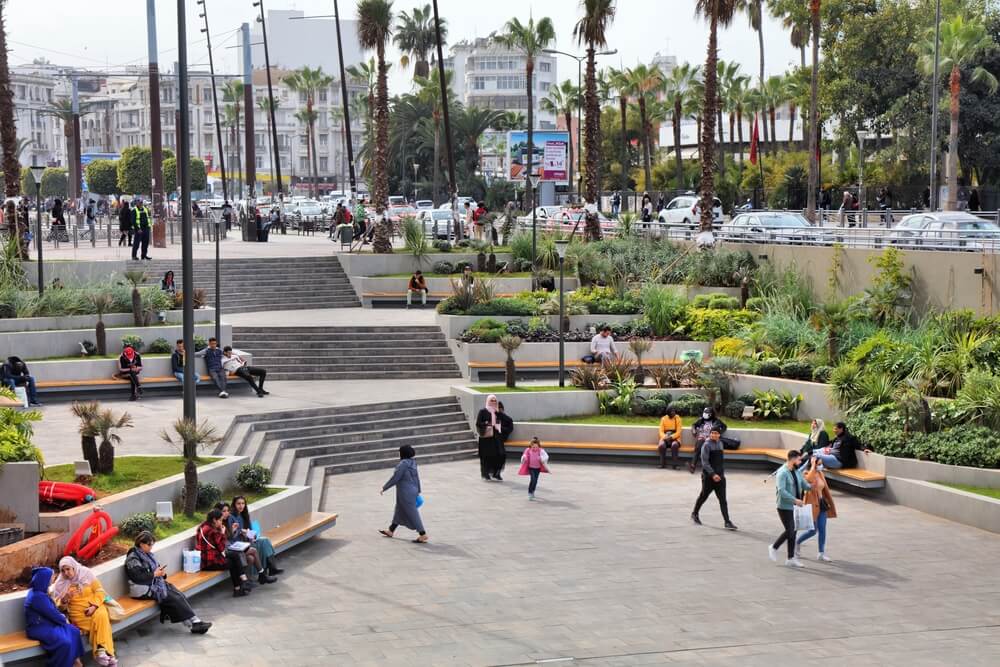
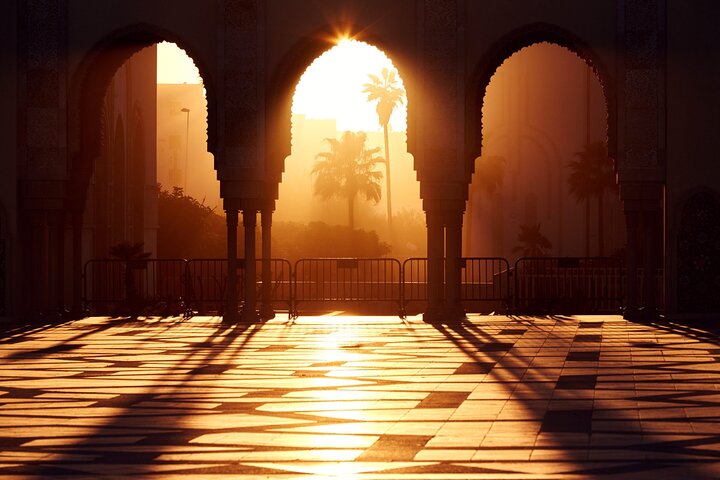
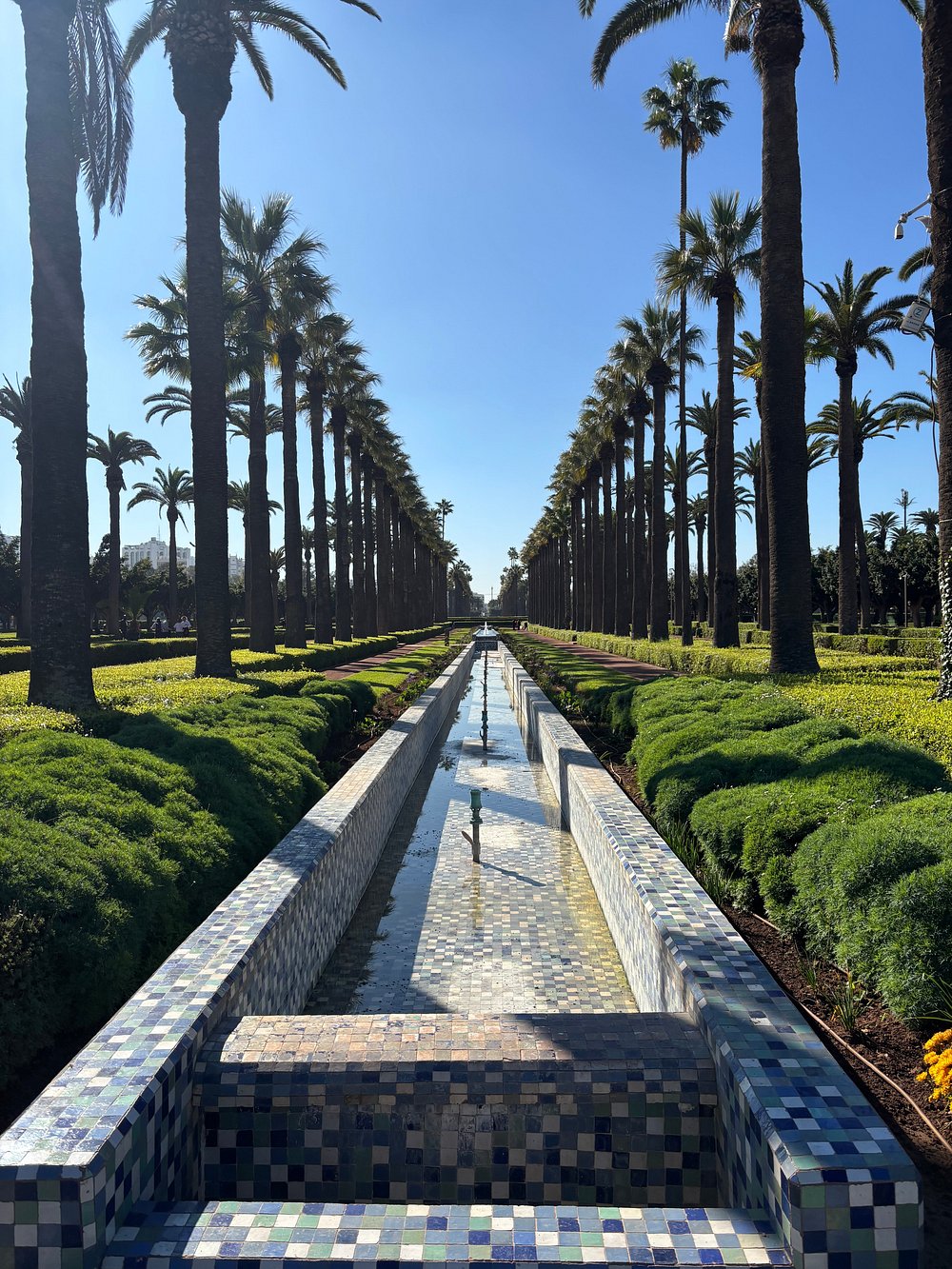
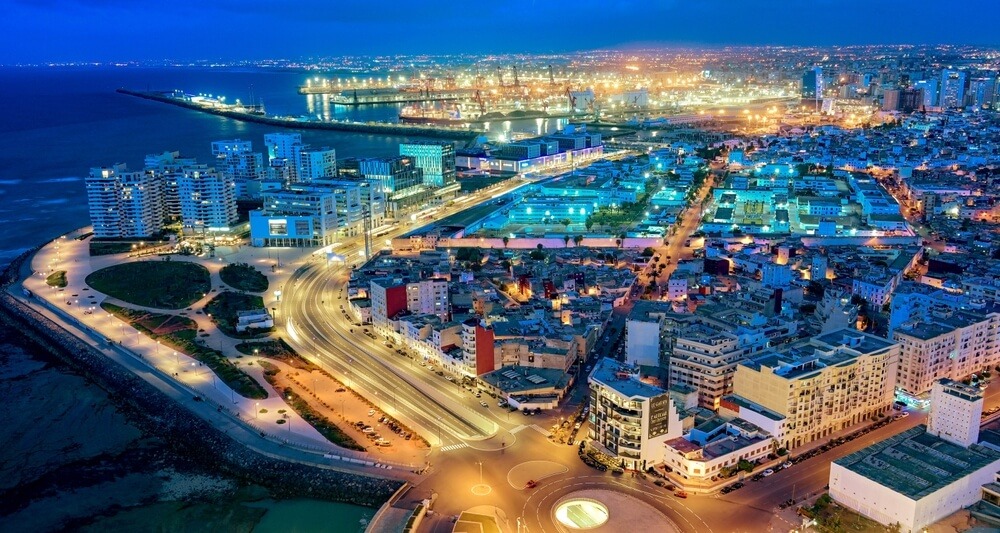
Casablanca is Morocco’s largest city and is well known to be Morocco’s economic powerhouse. Despite its modern, sophisticated and cosmopolitan look, it is still an ancient city with Berber roots and the colonial and art deco architecture tells its own story. Being positioned on the Atlantic, Casablanca has a moderate Mediterranean climate. During the summer months (June to September) rain is rare and temperatures are not as hot as elsewhere in Morocco. Its mild winters make Casablanca a comfortable year-round destination.
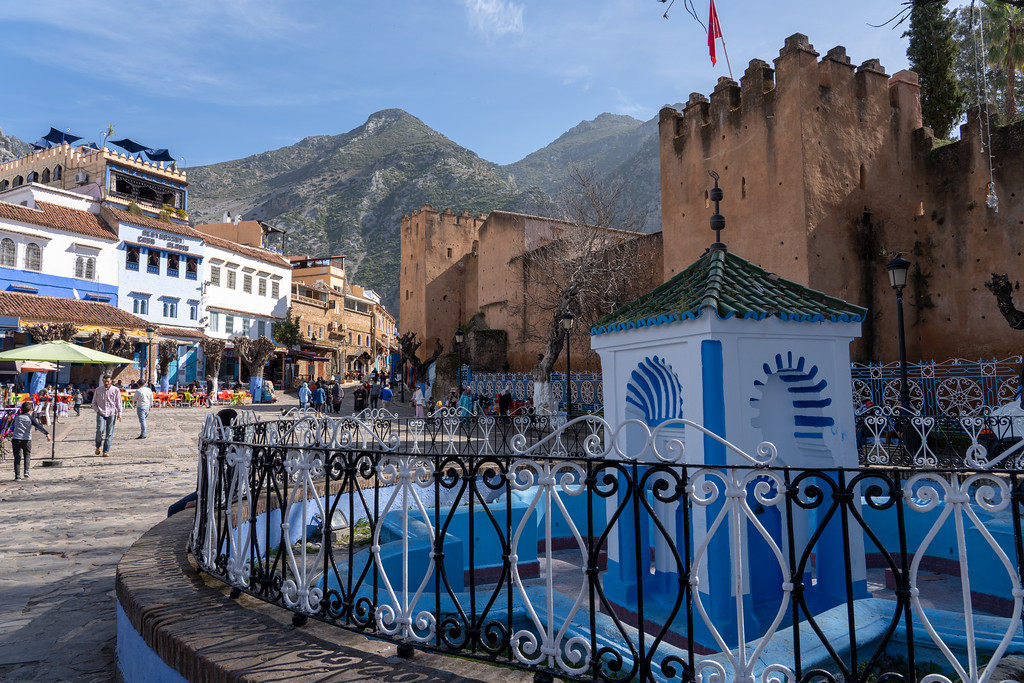
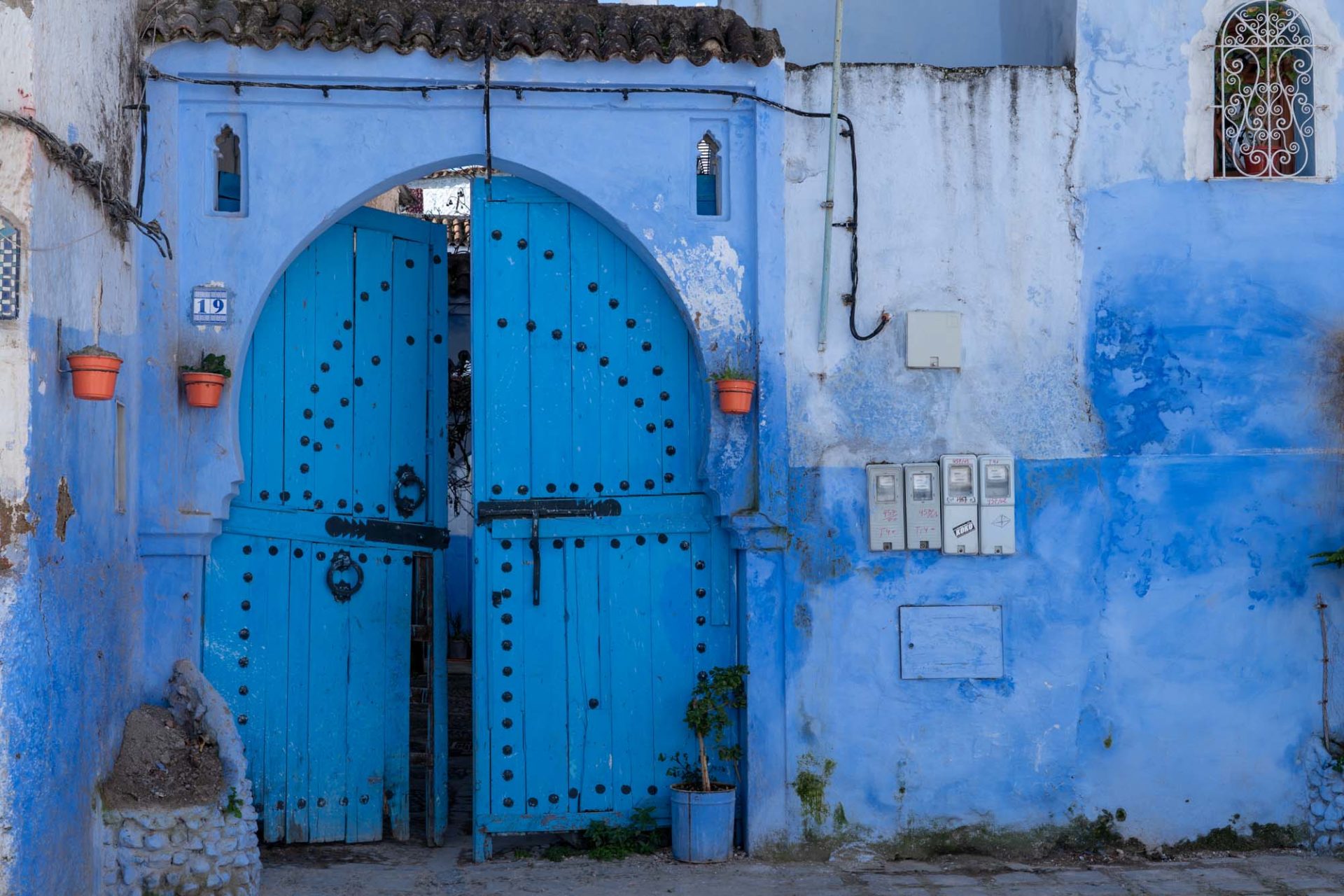
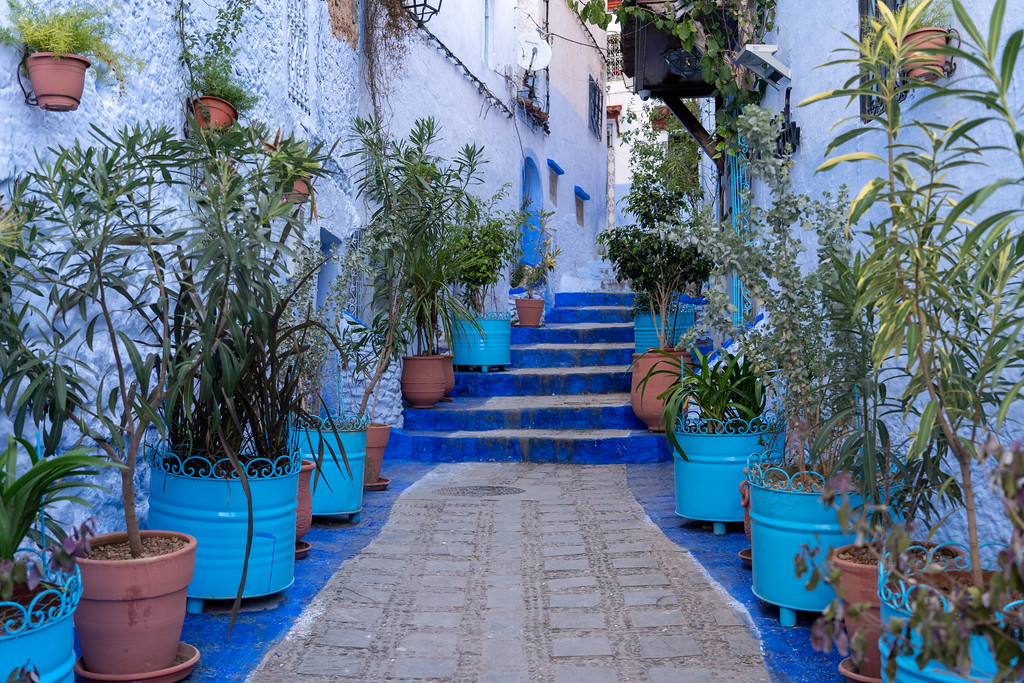
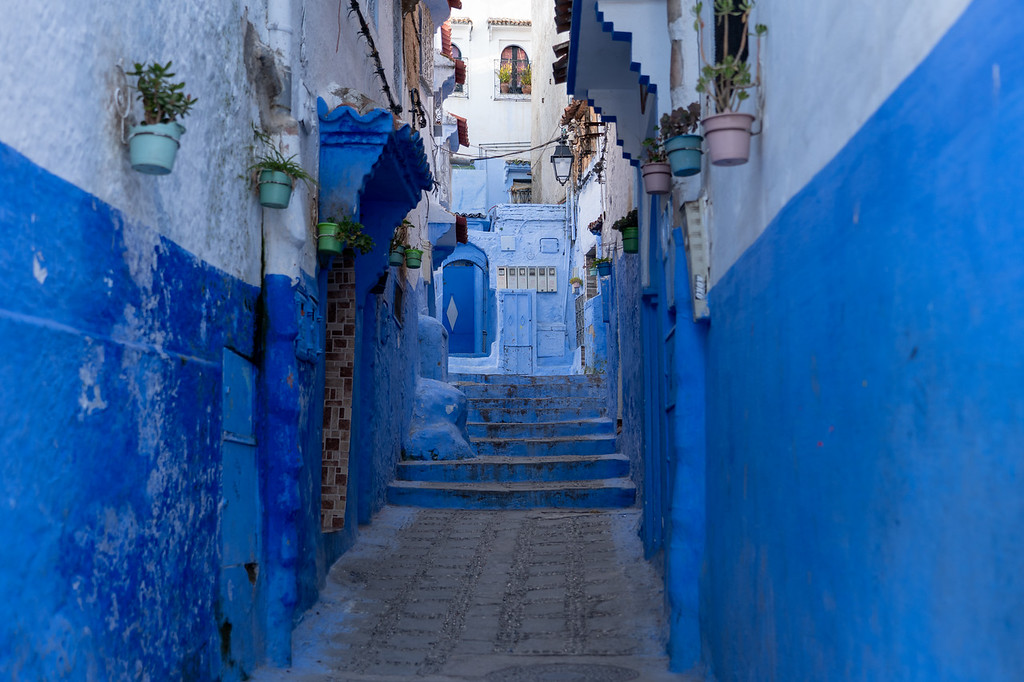
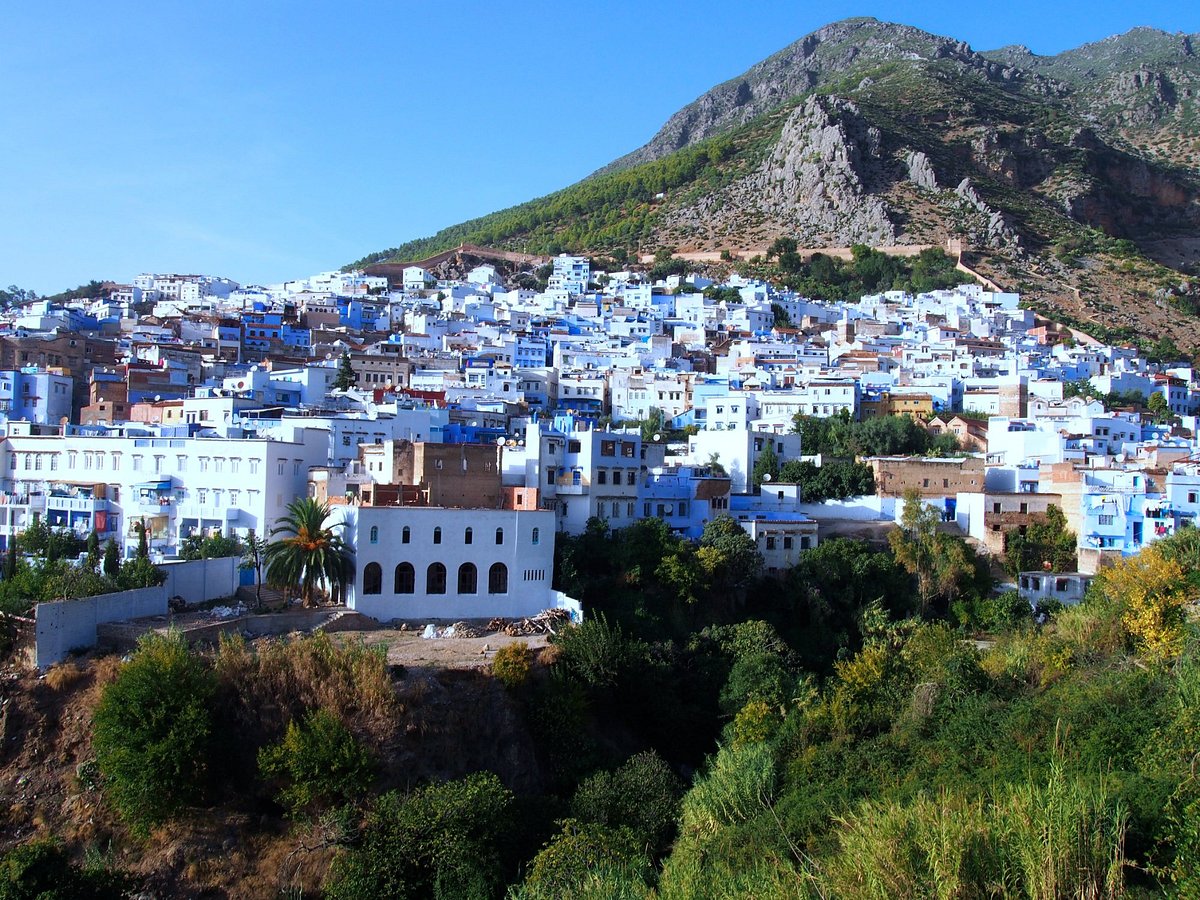
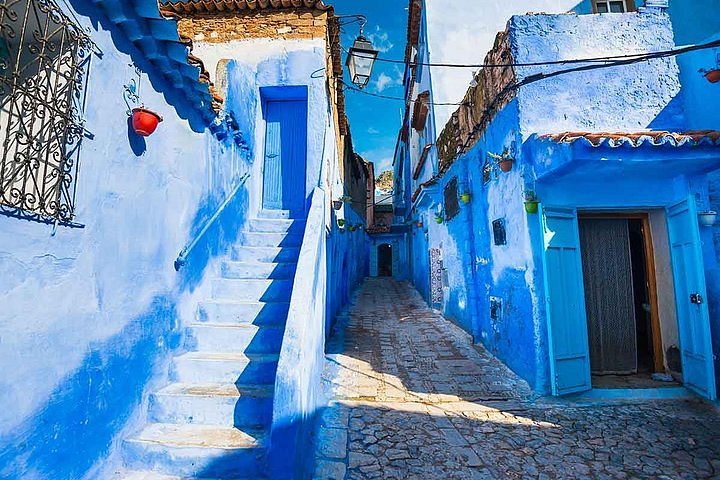
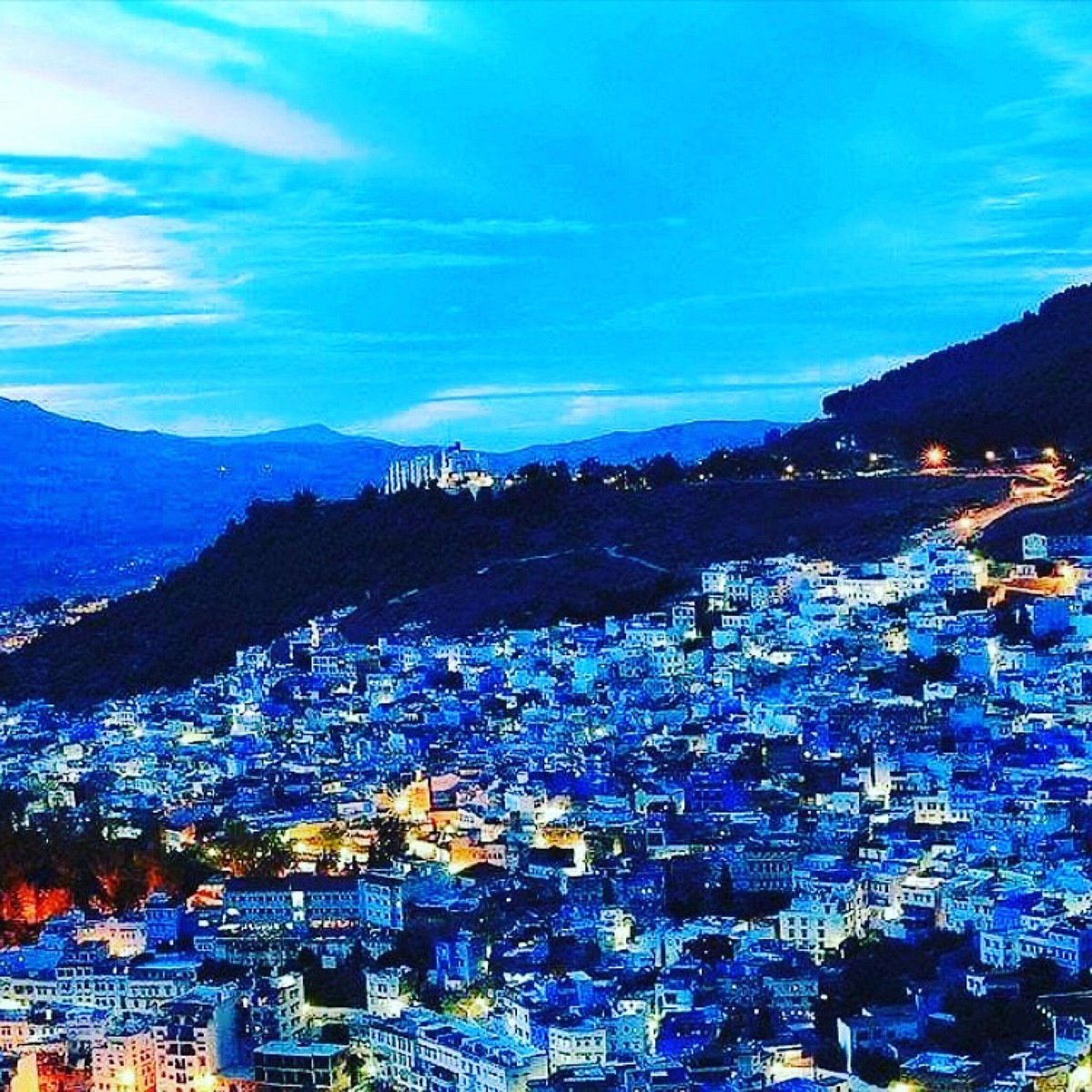
CHEFCHAOUEN
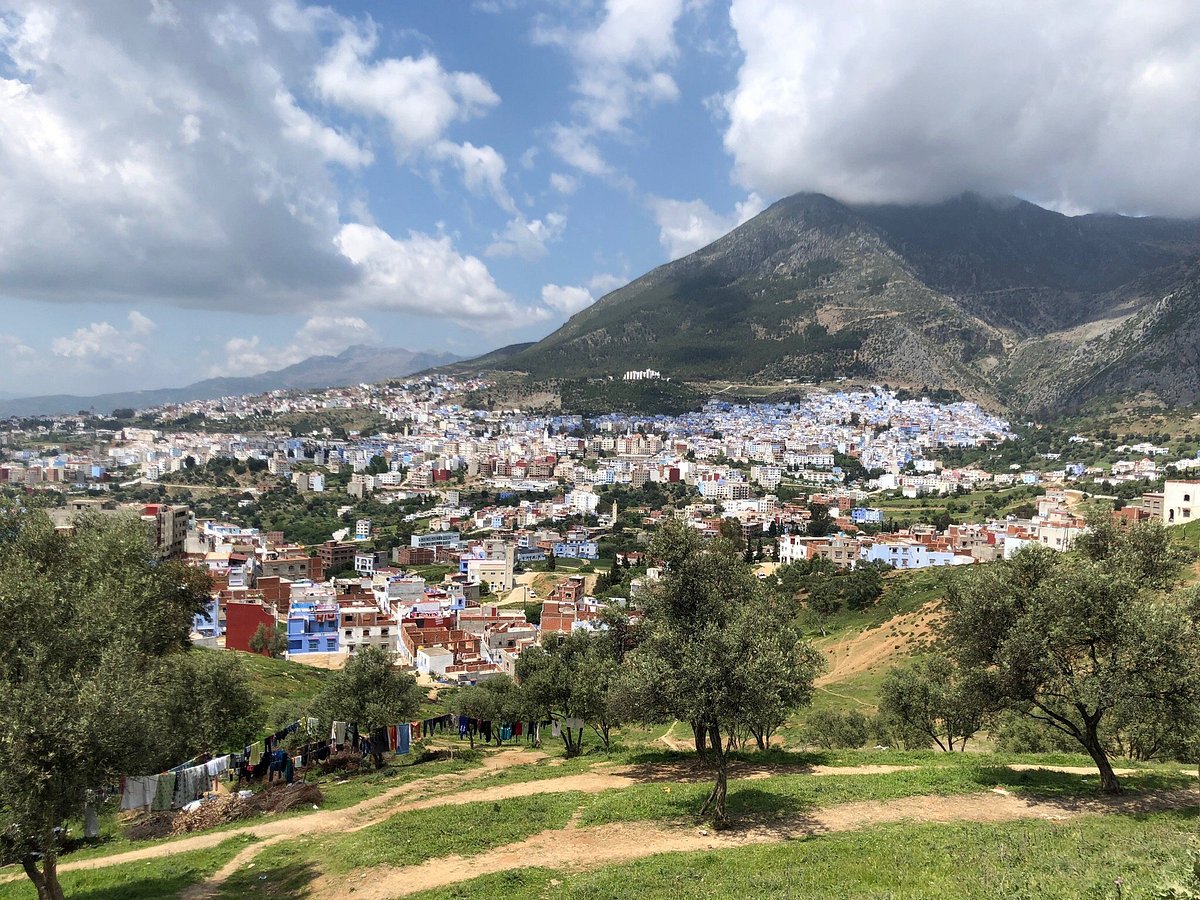
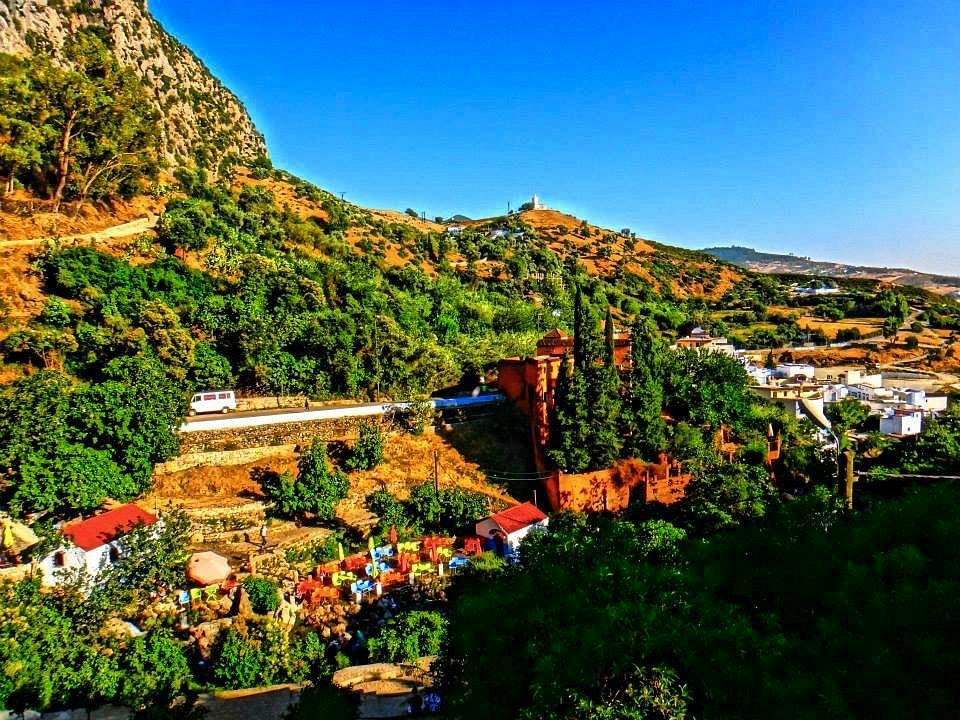
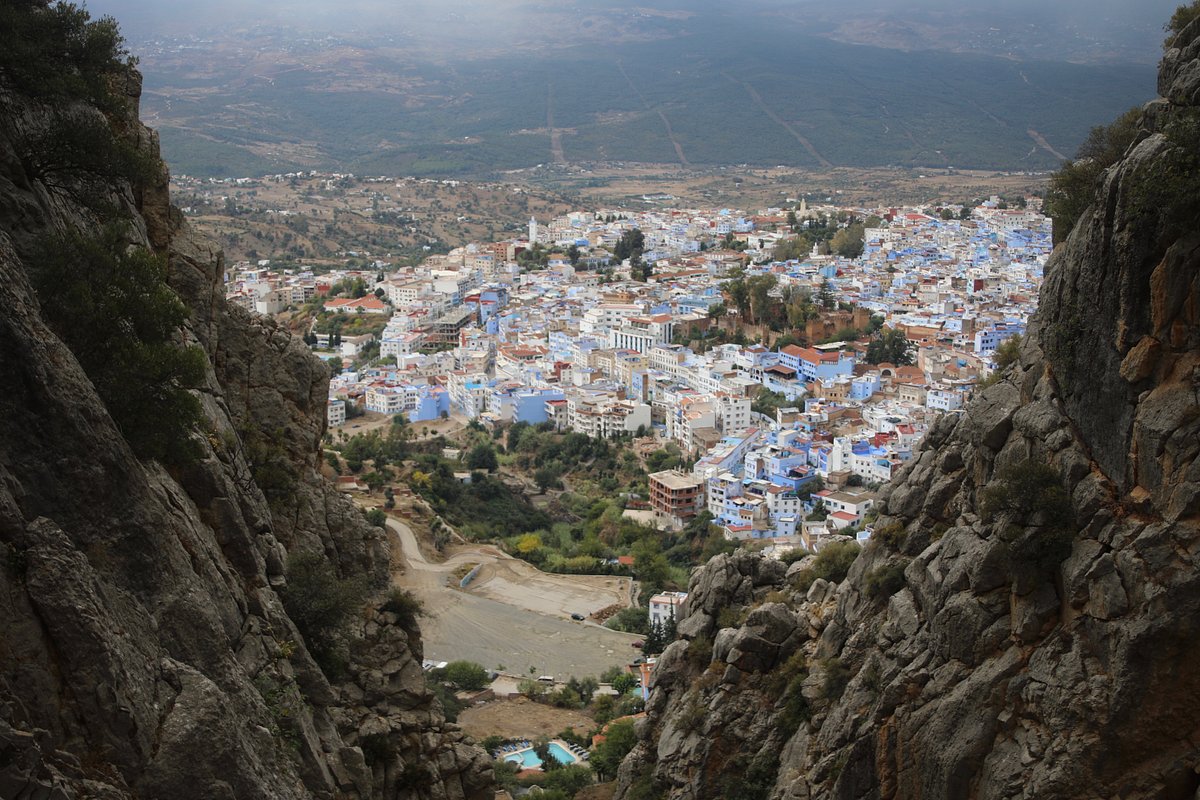
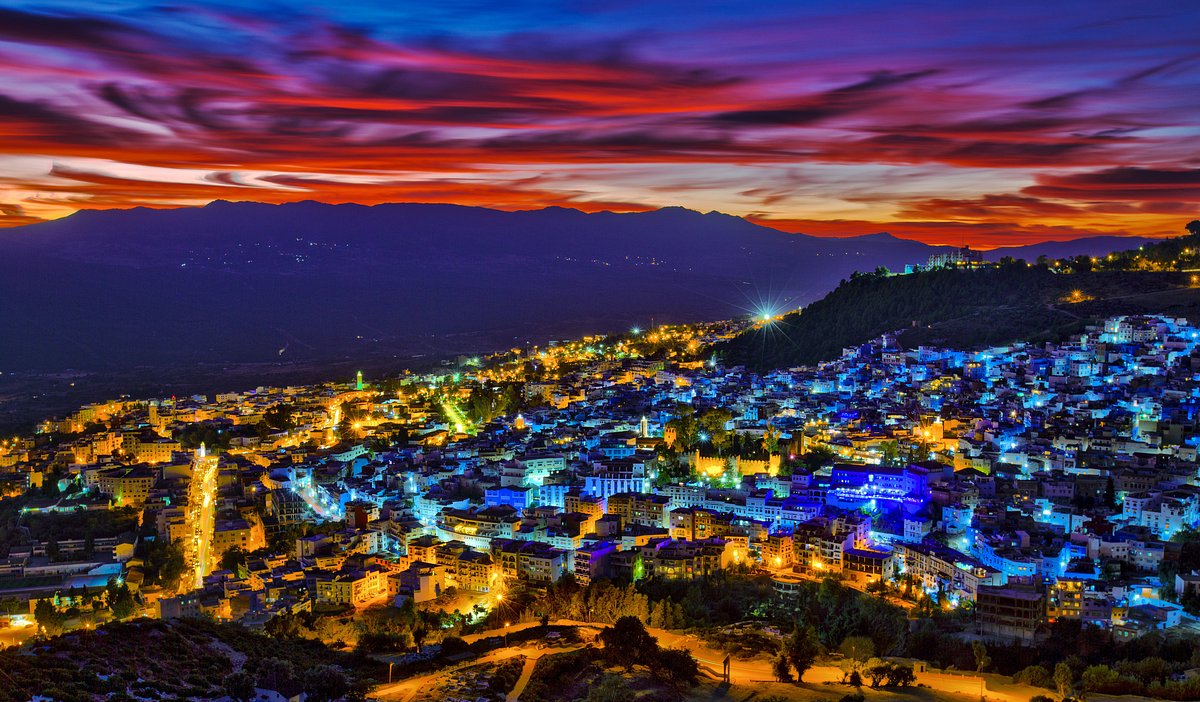
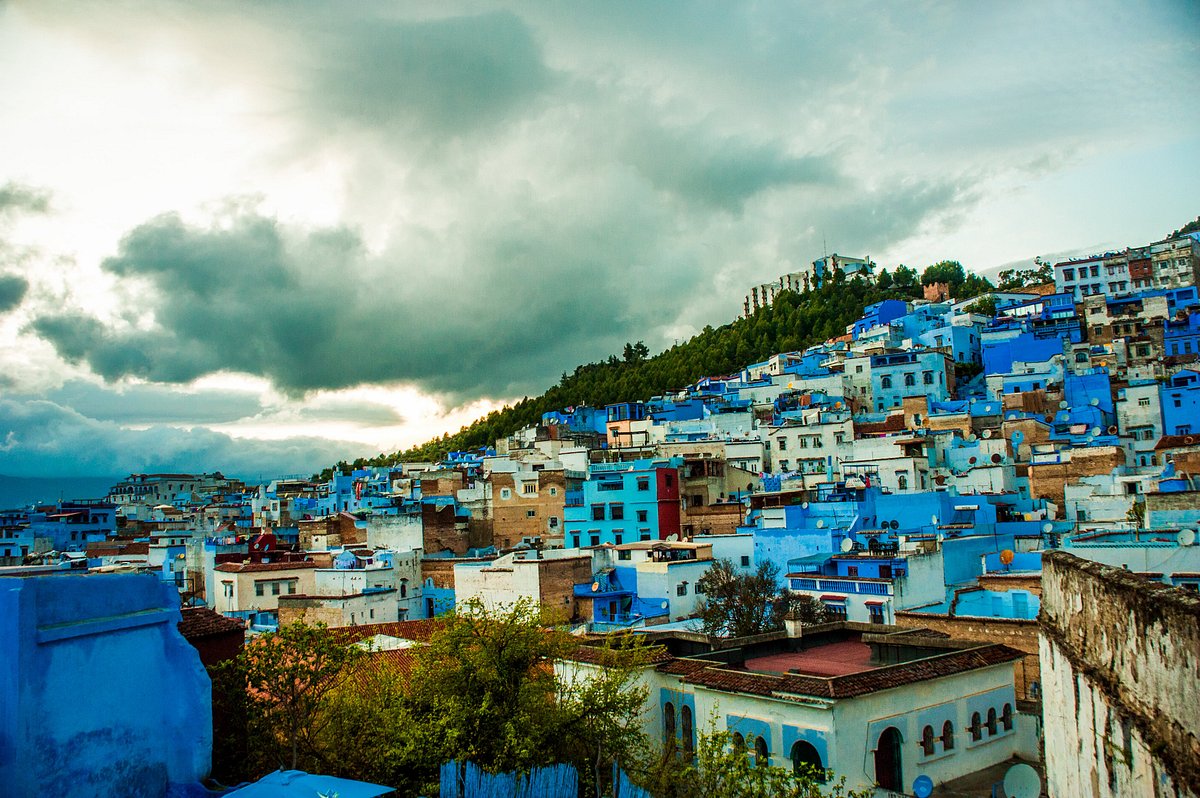
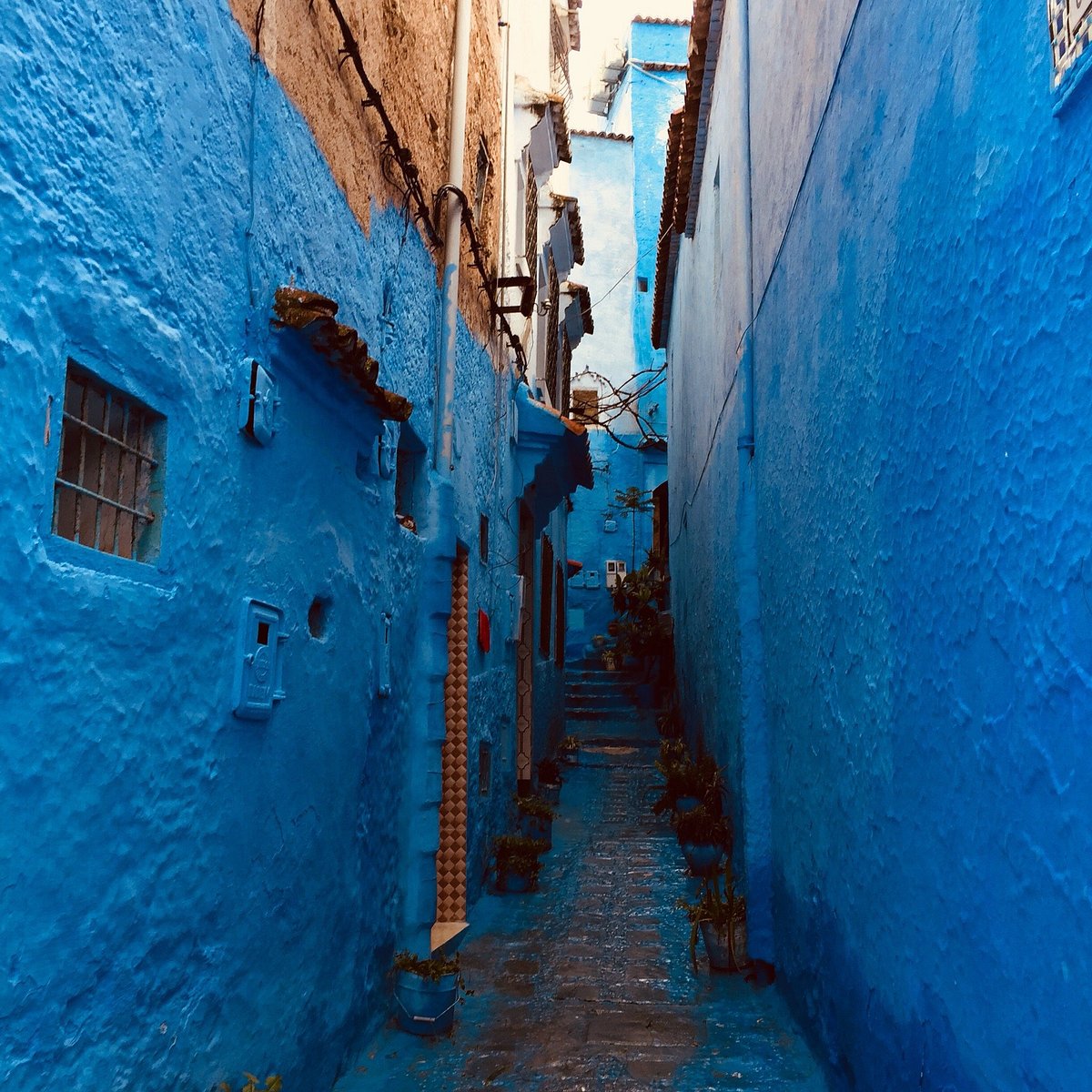
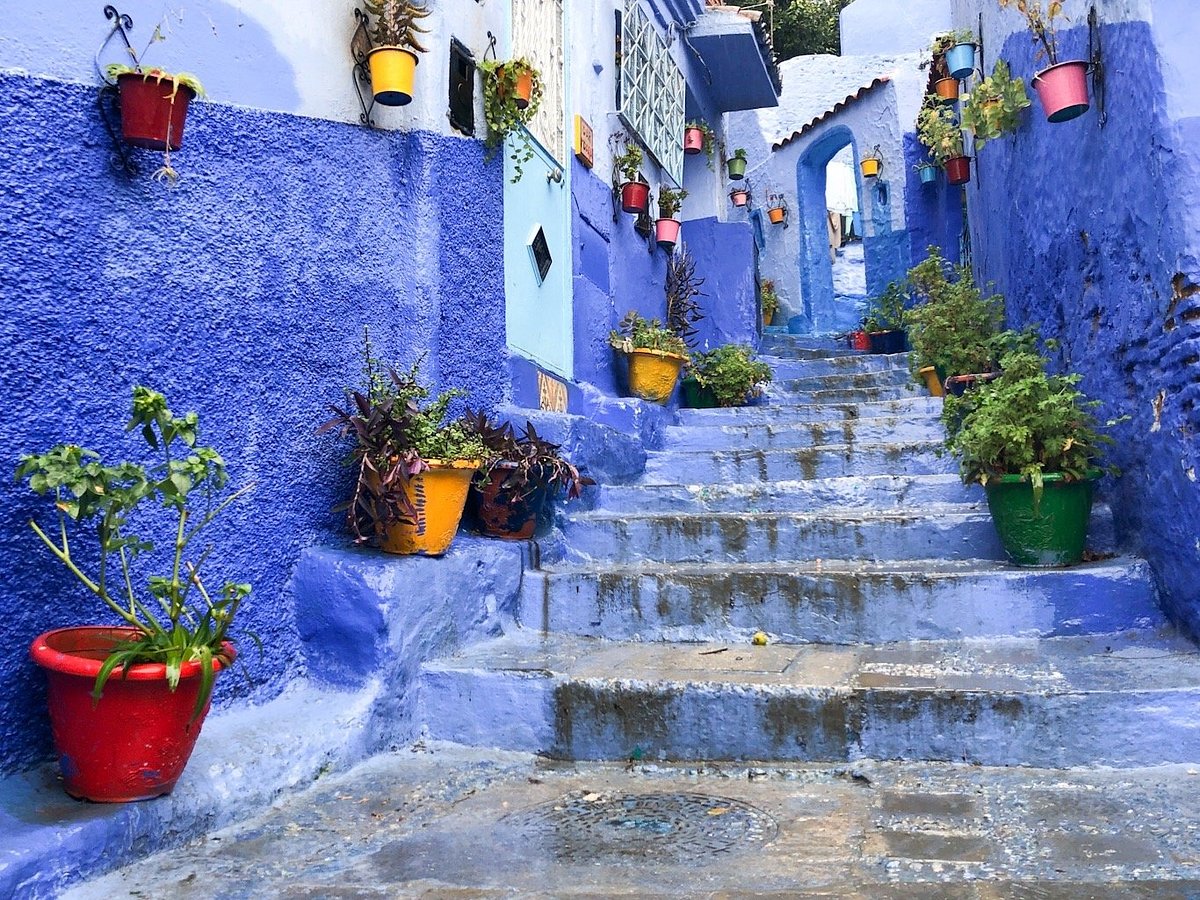
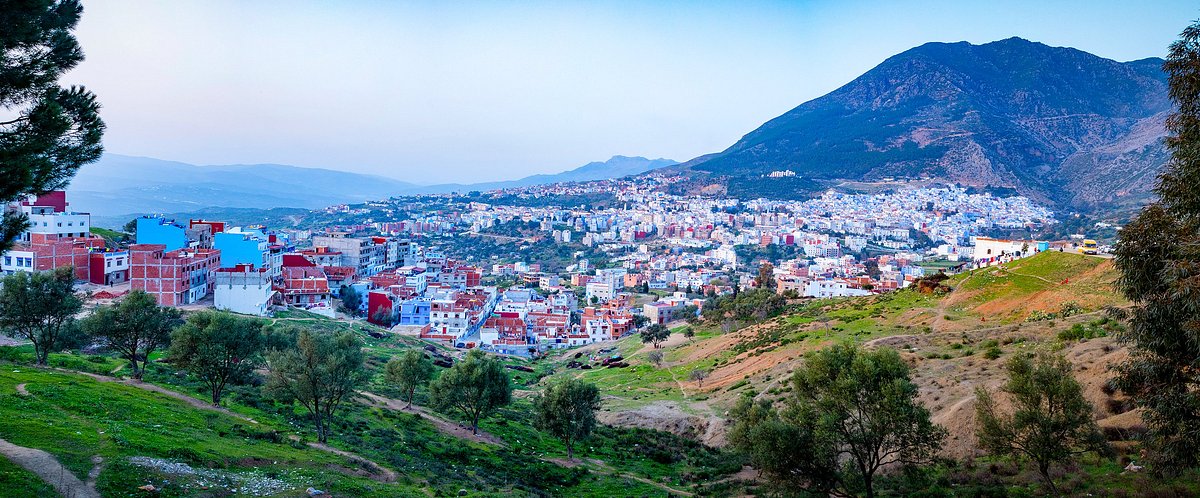
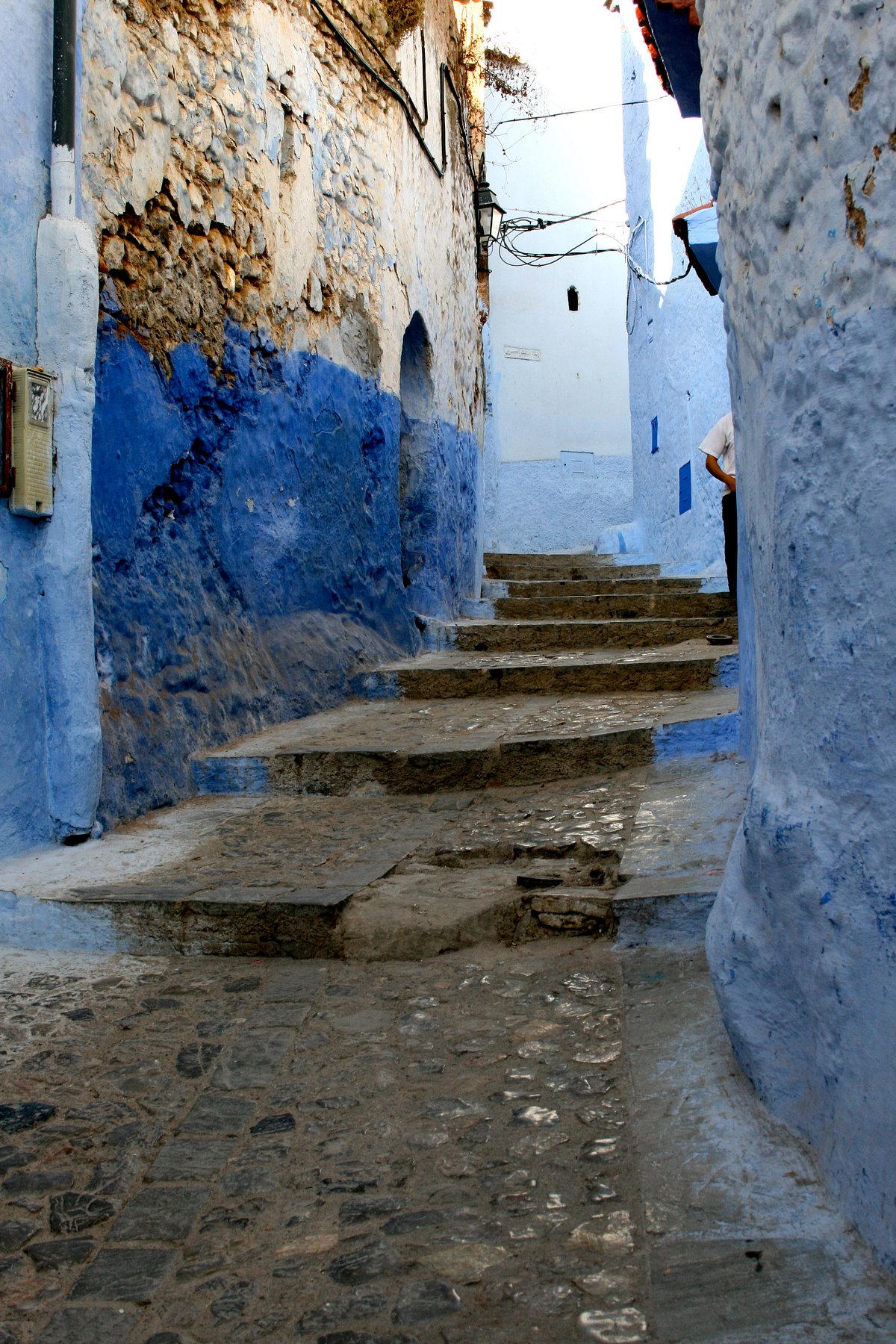
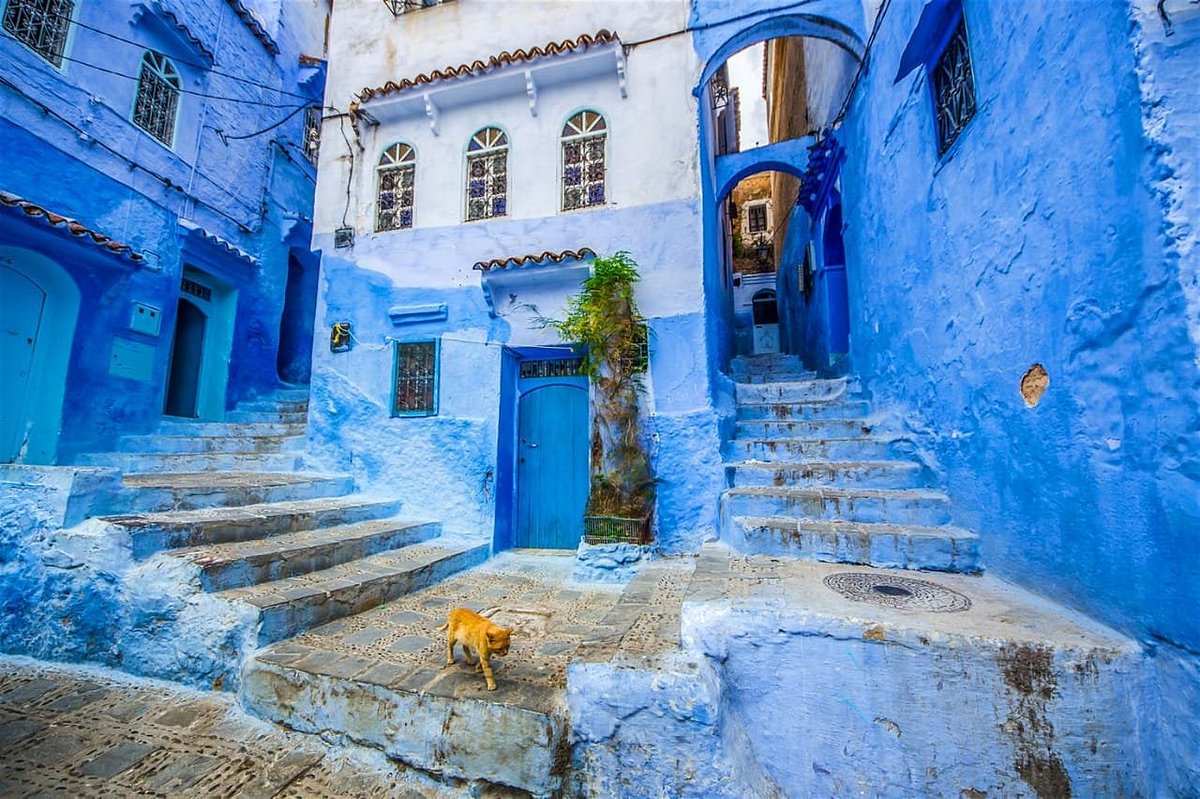
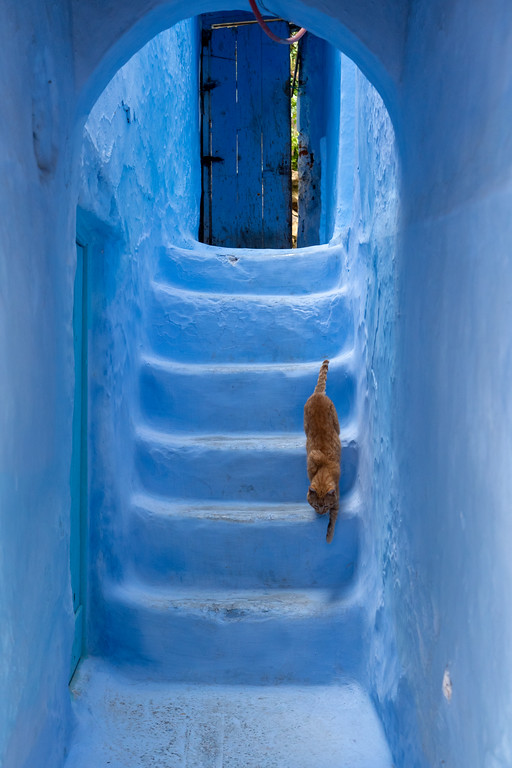
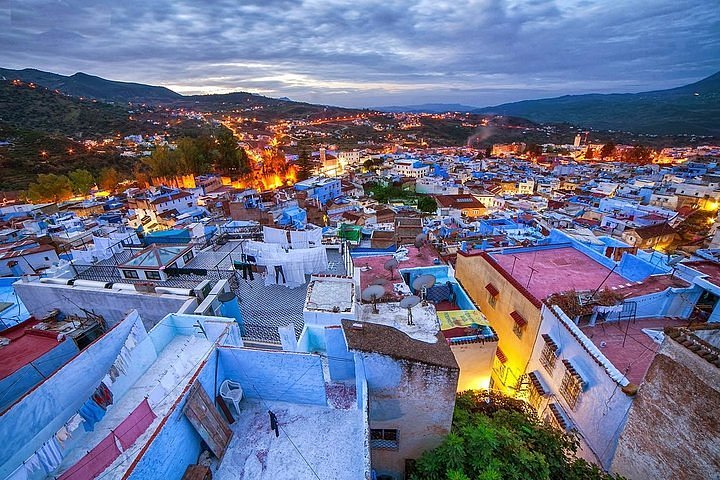
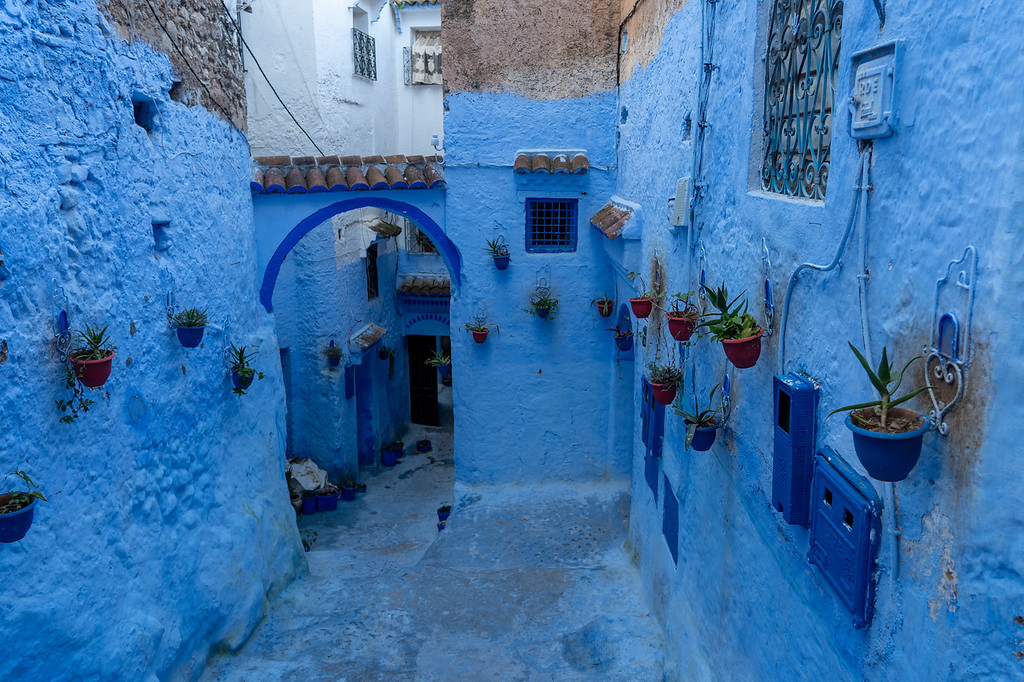
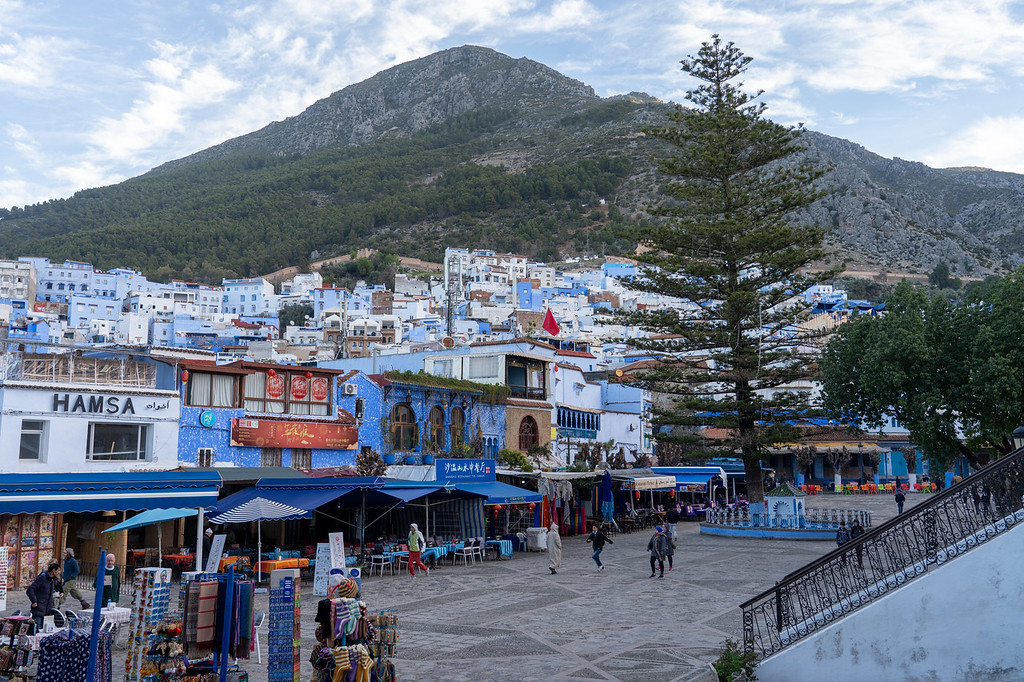
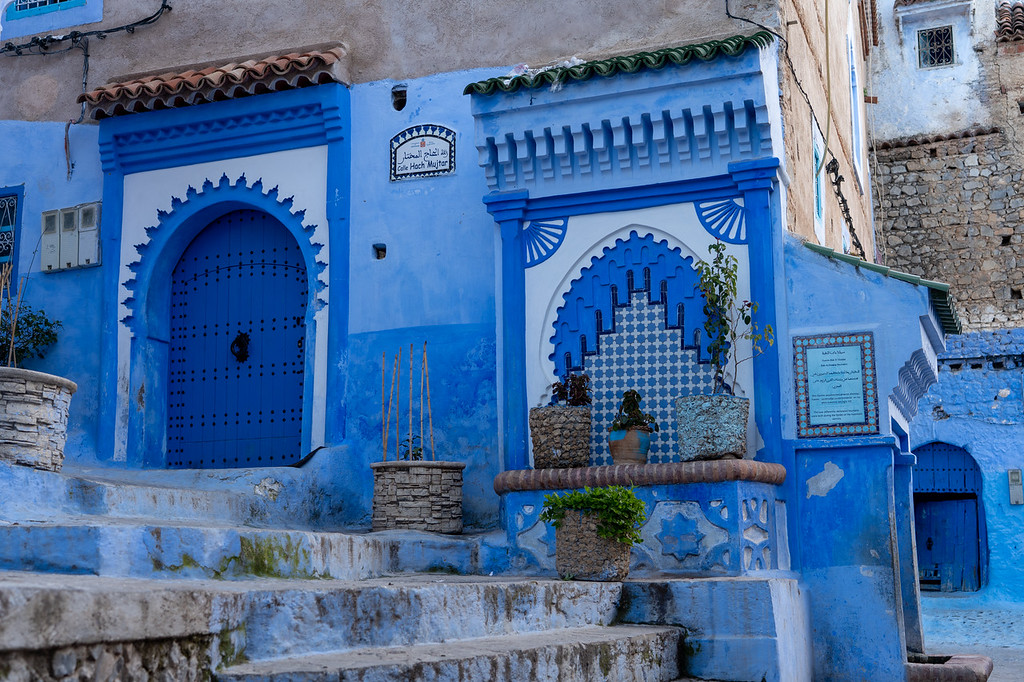
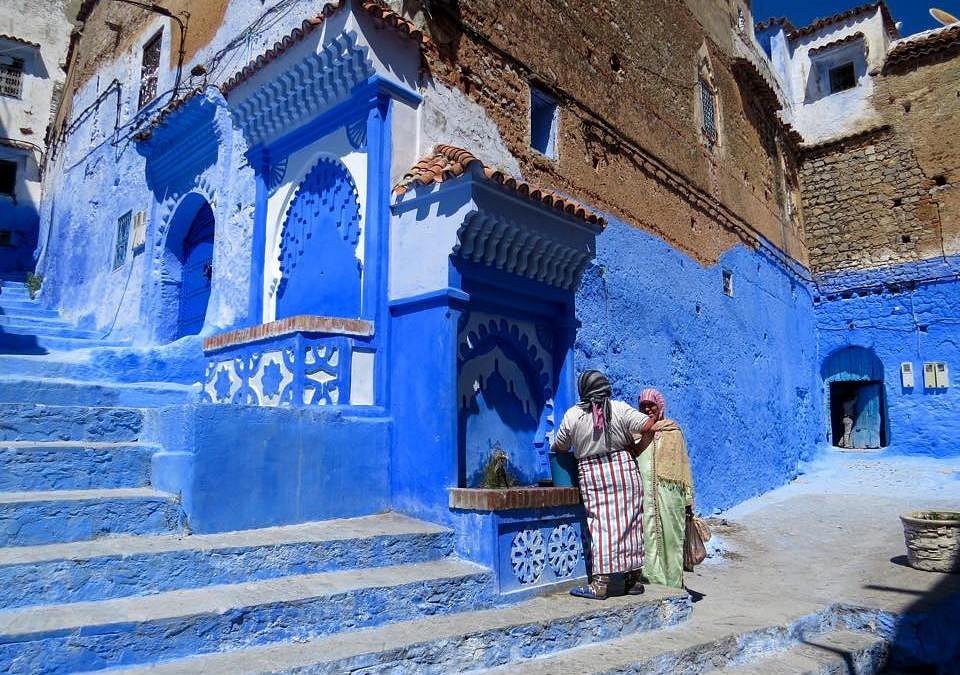
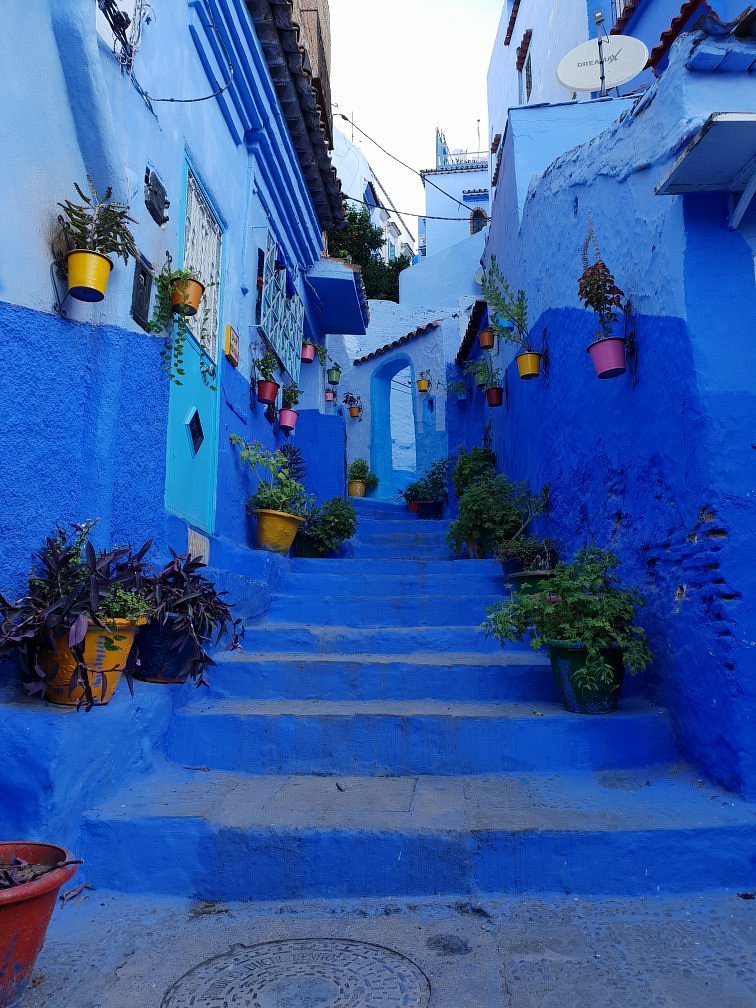
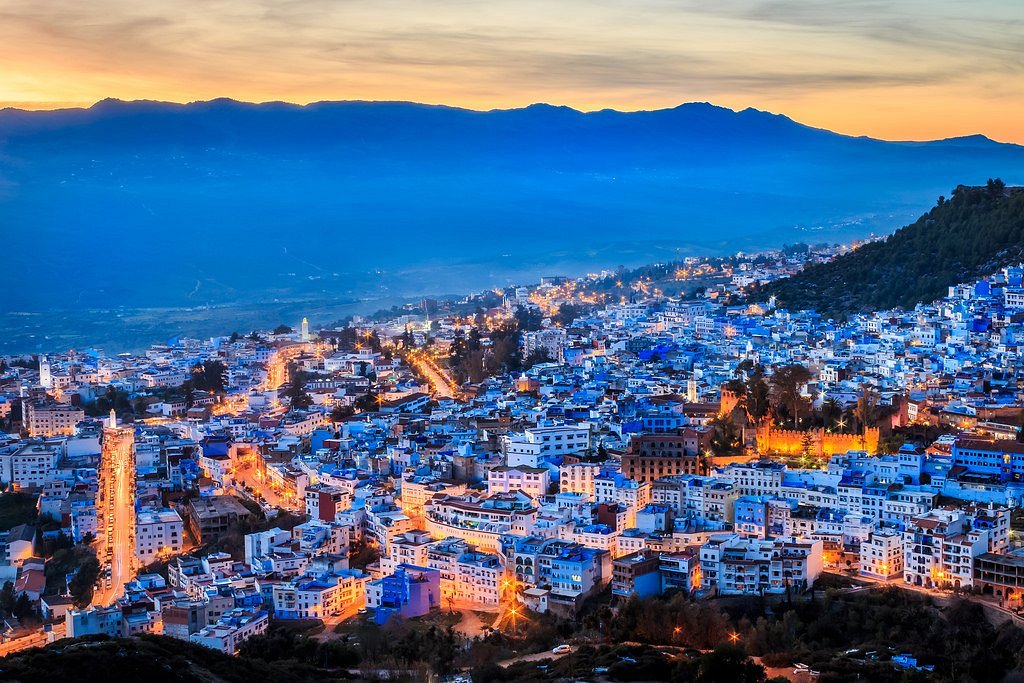
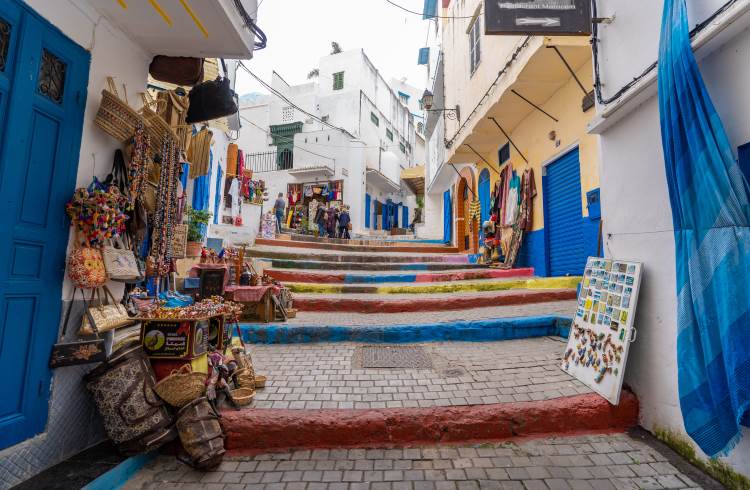
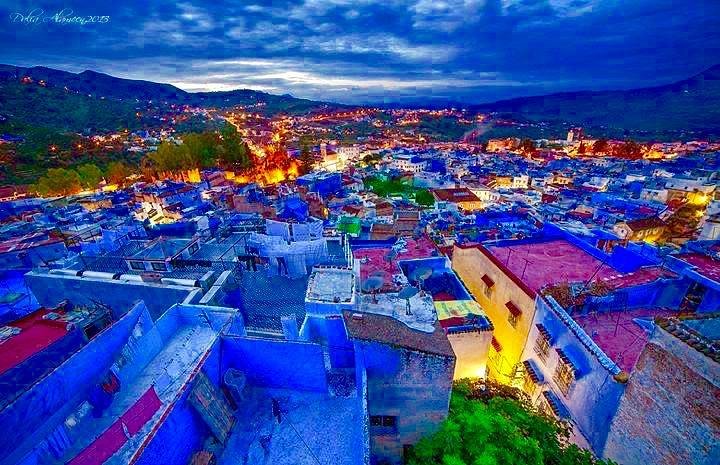
Founded in 1471 as a small fortress which still exists to this day, Chefchaouen is situated in the Rif Mountains in northwest Morocco, just inland from Tangier and Tetouan. The name refers to the shape of the mountaintops above the town, that look like the two horns (chaoua) of a goat. Its distinct blue-rinsed houses and buildings, and its proximity to Tangier and Ceuta make it a popular tourist and filming destination.
ERFOUD
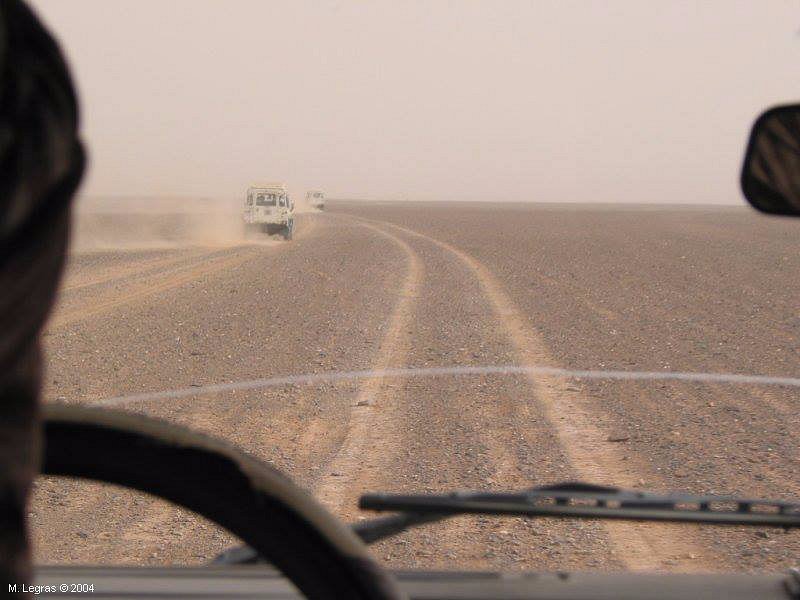
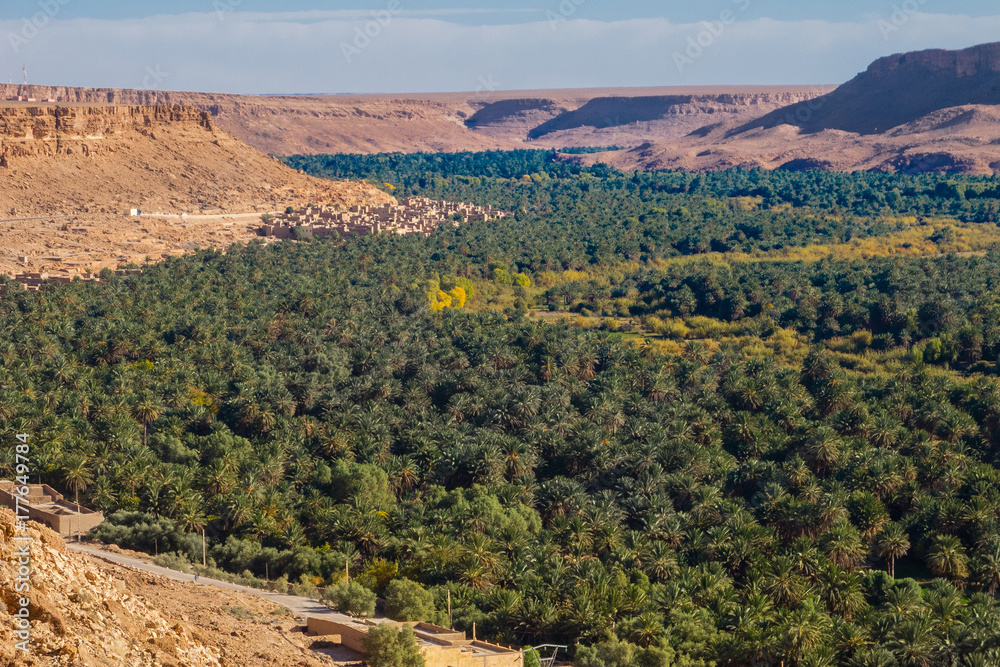
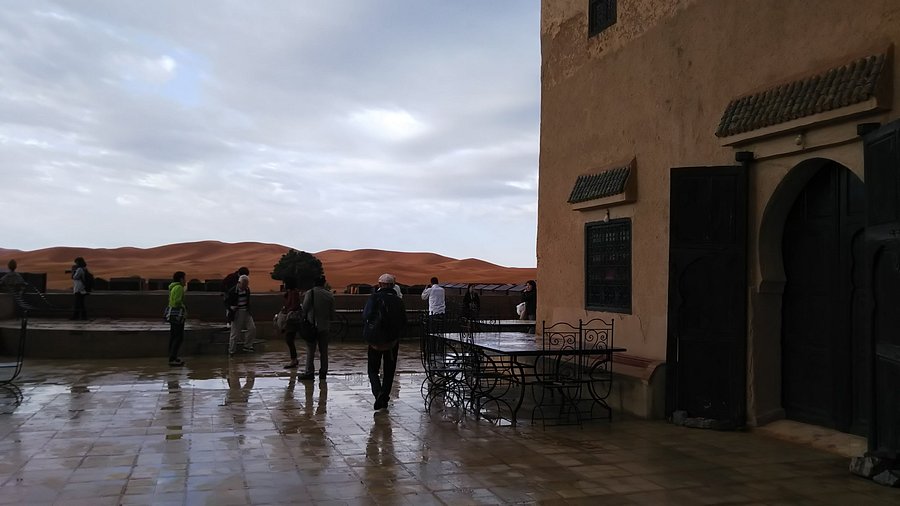
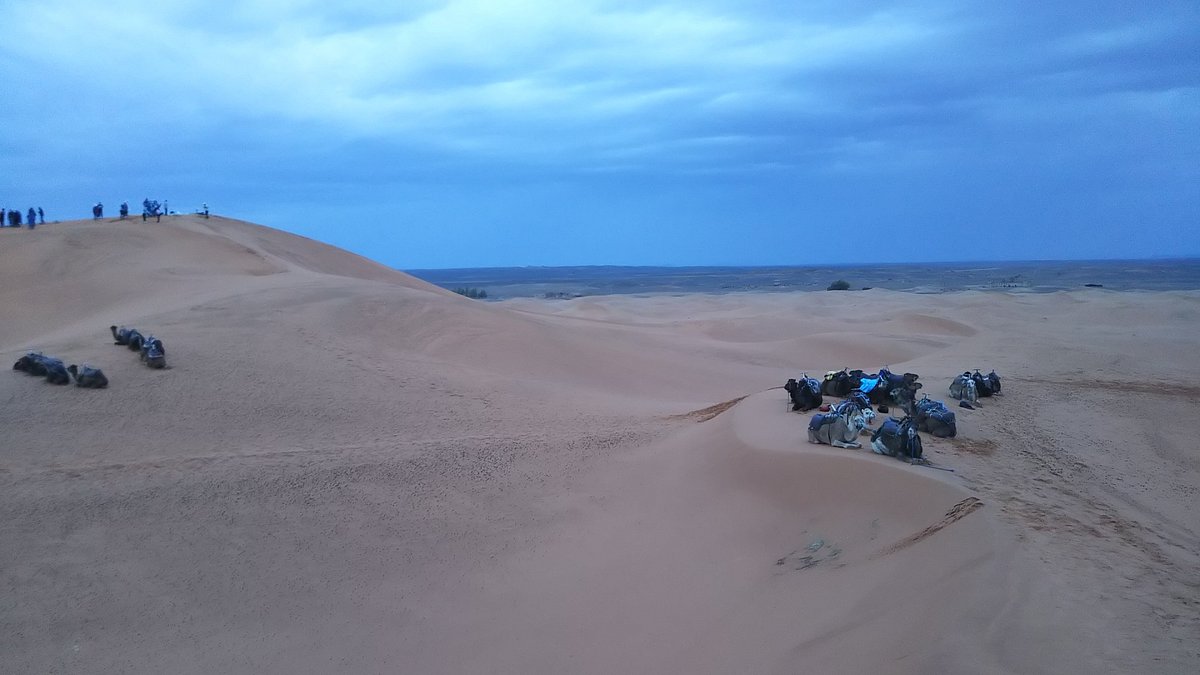
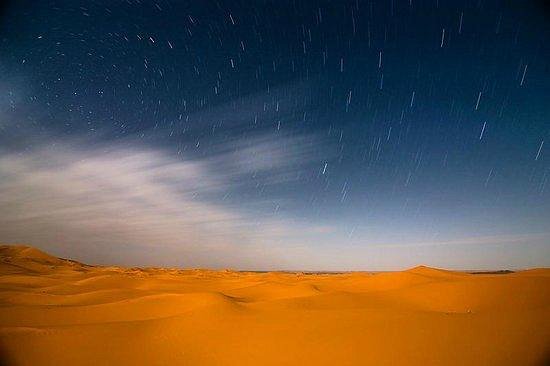
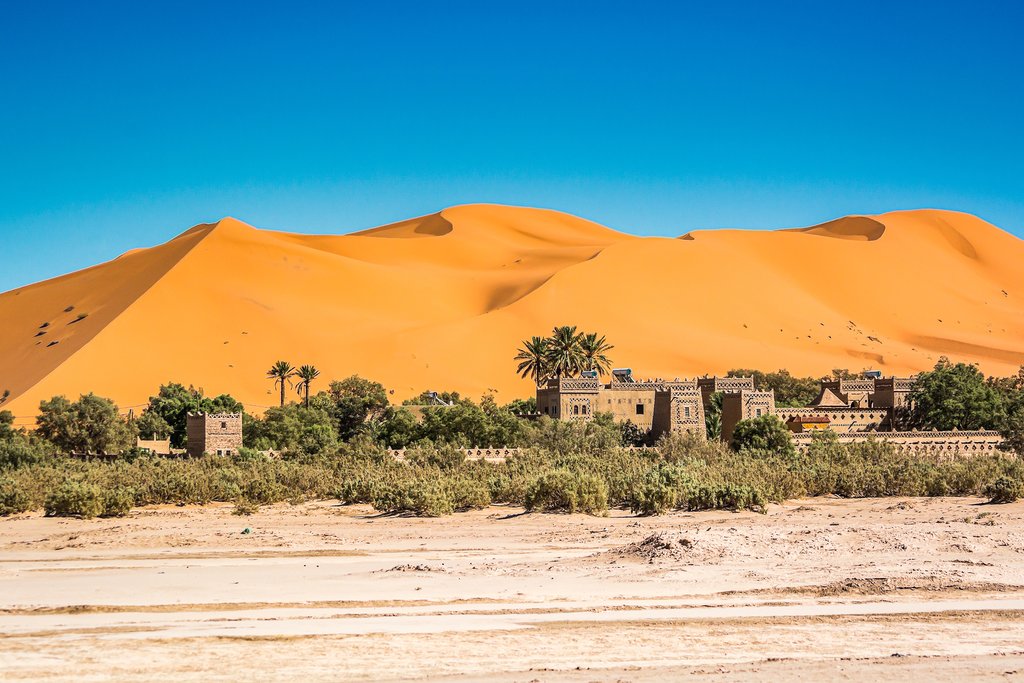
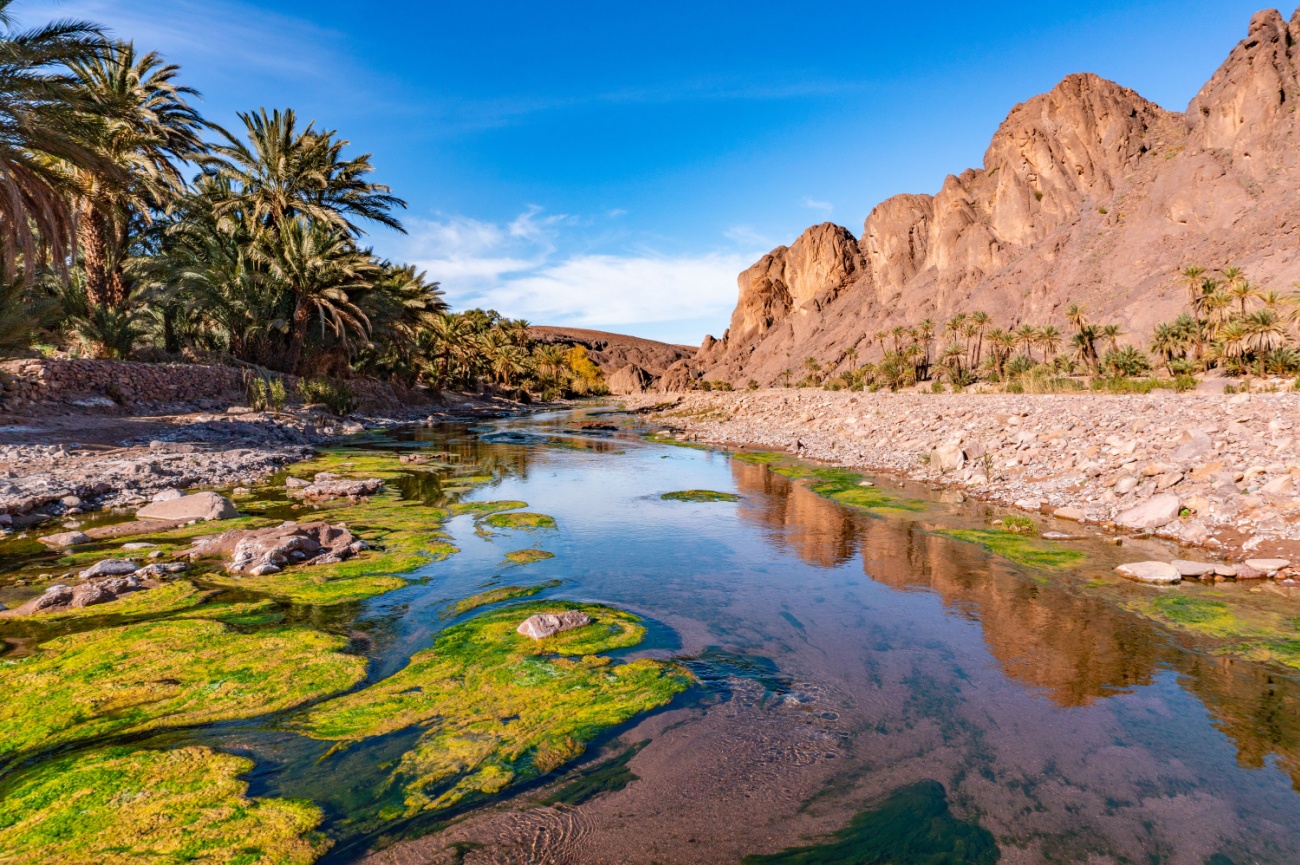
Situated in the east of Morocco in the Tafilalt region, Erfoud is an oasis town in the Sahara Desert. Its appearance has been said to resemble certain areas of the planet Mars, and its beauty has attracted filmmakers and tourists for decades.
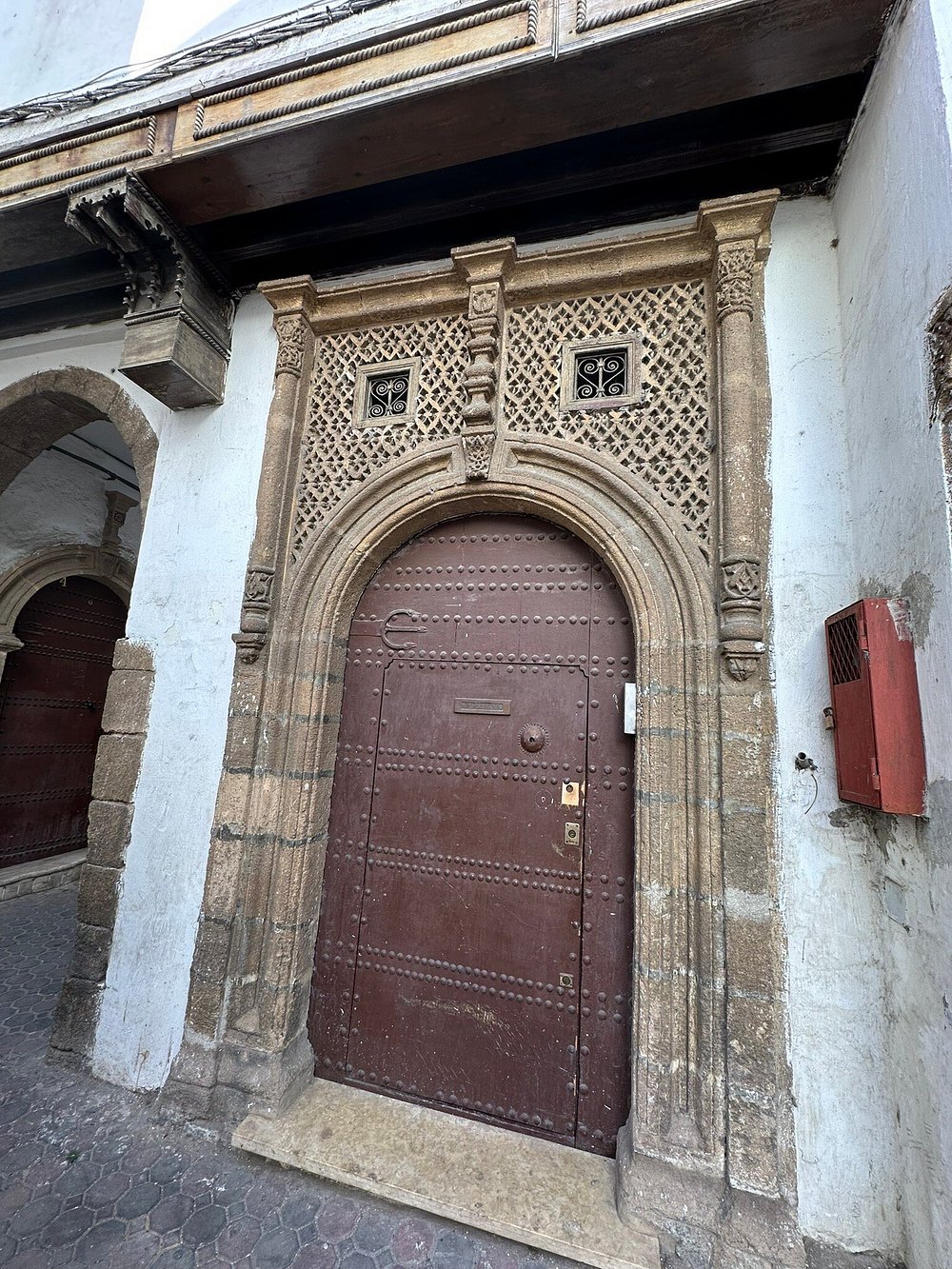
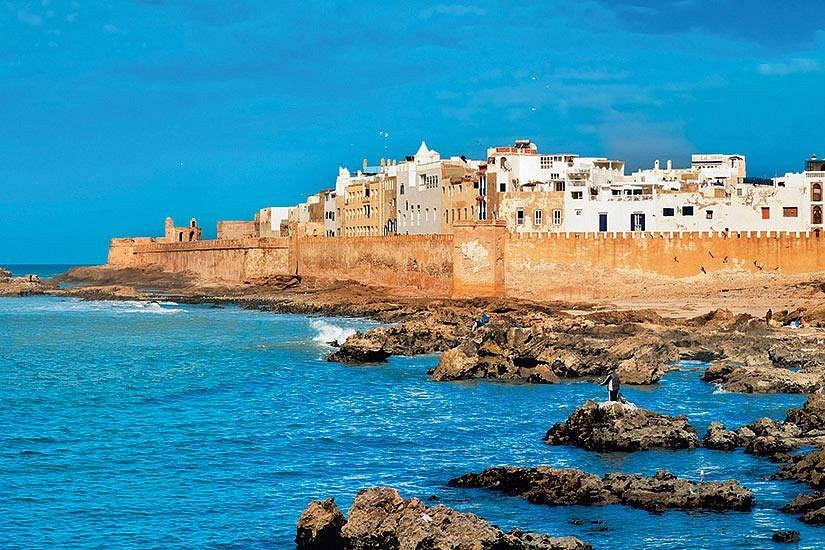
ESSAOUIRA
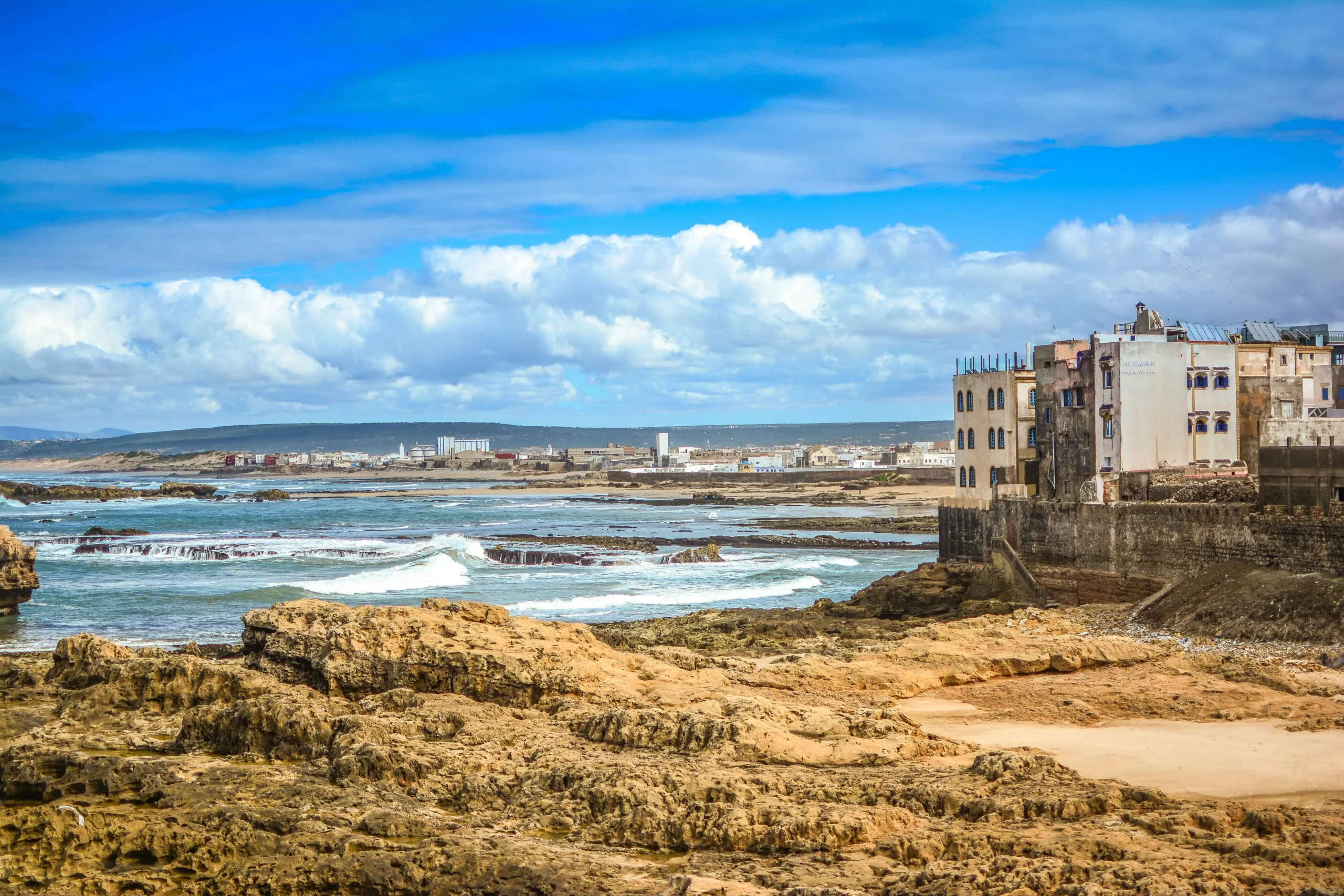
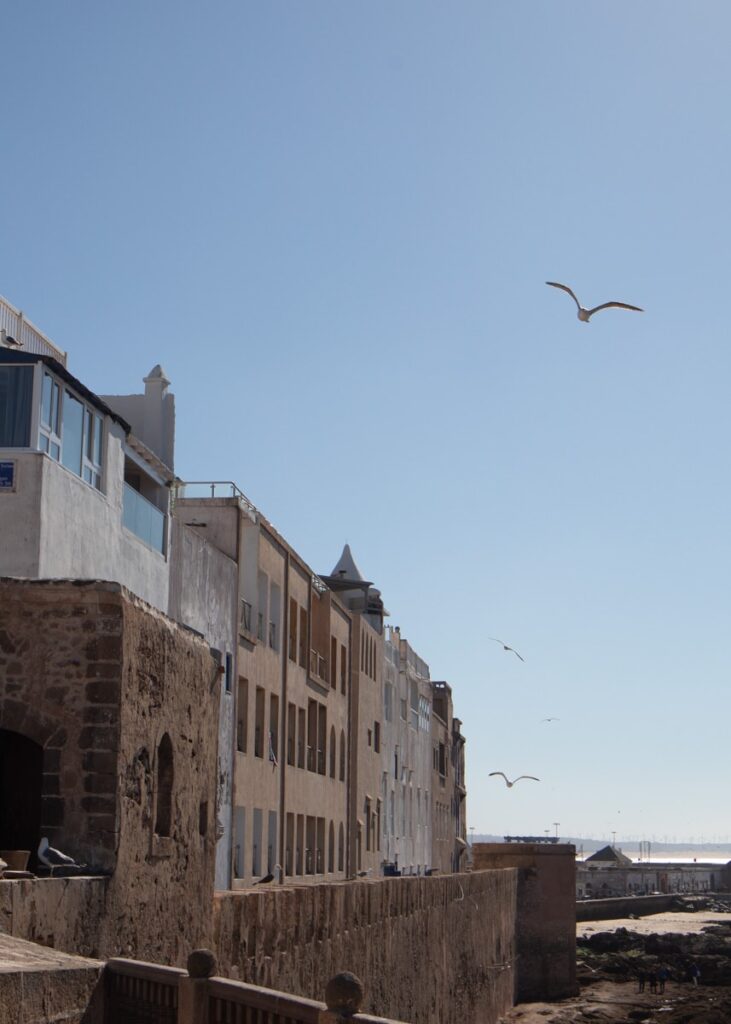
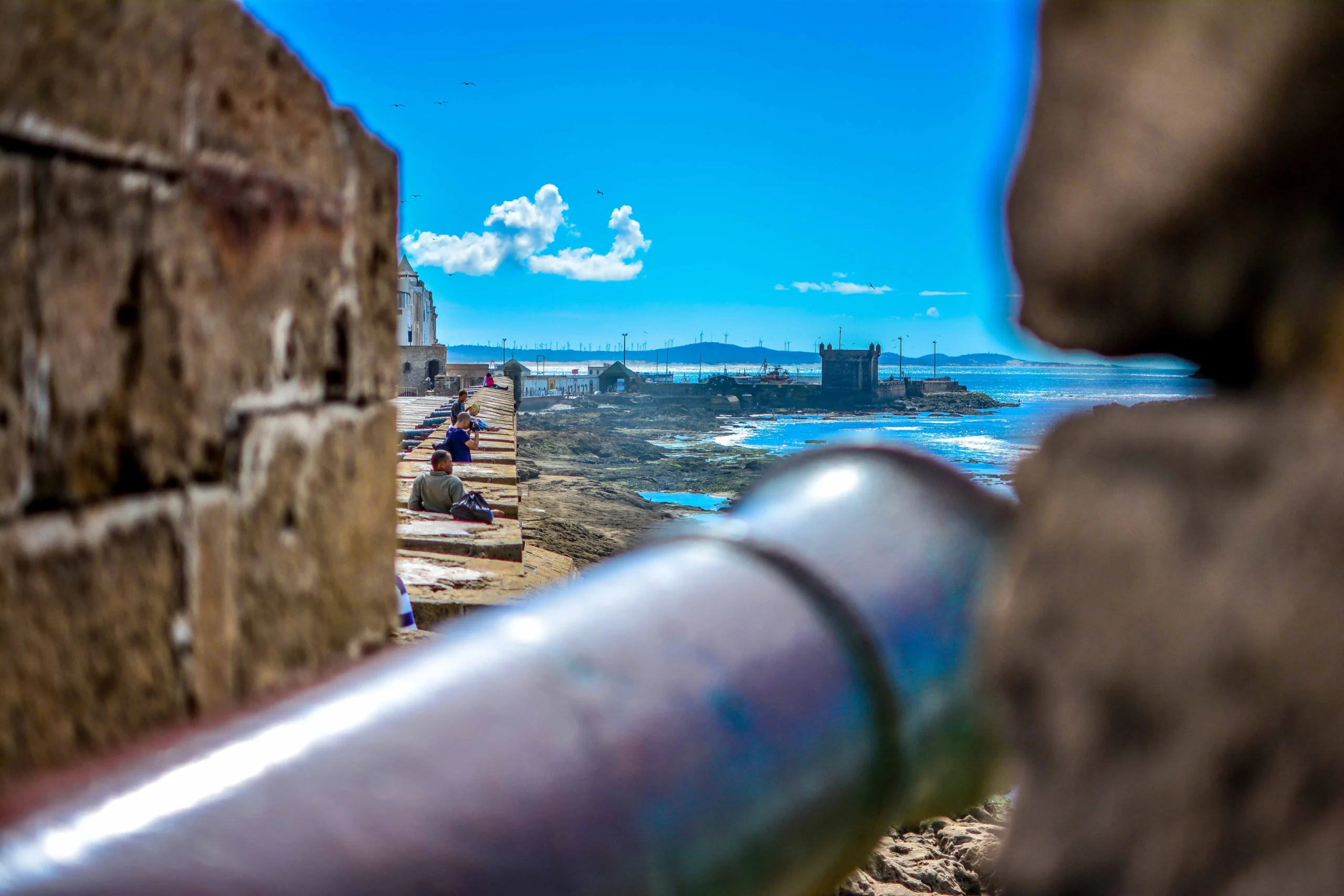
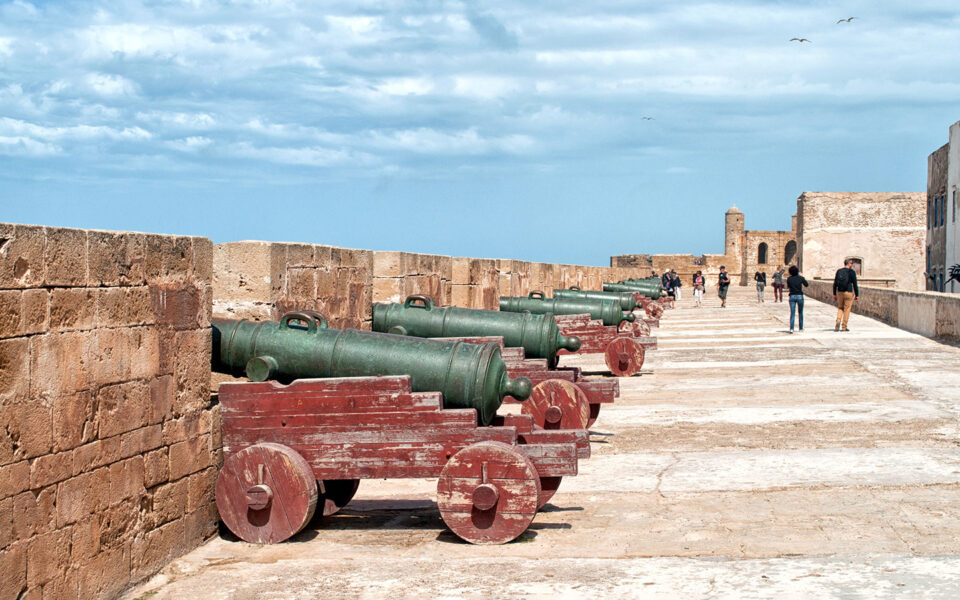
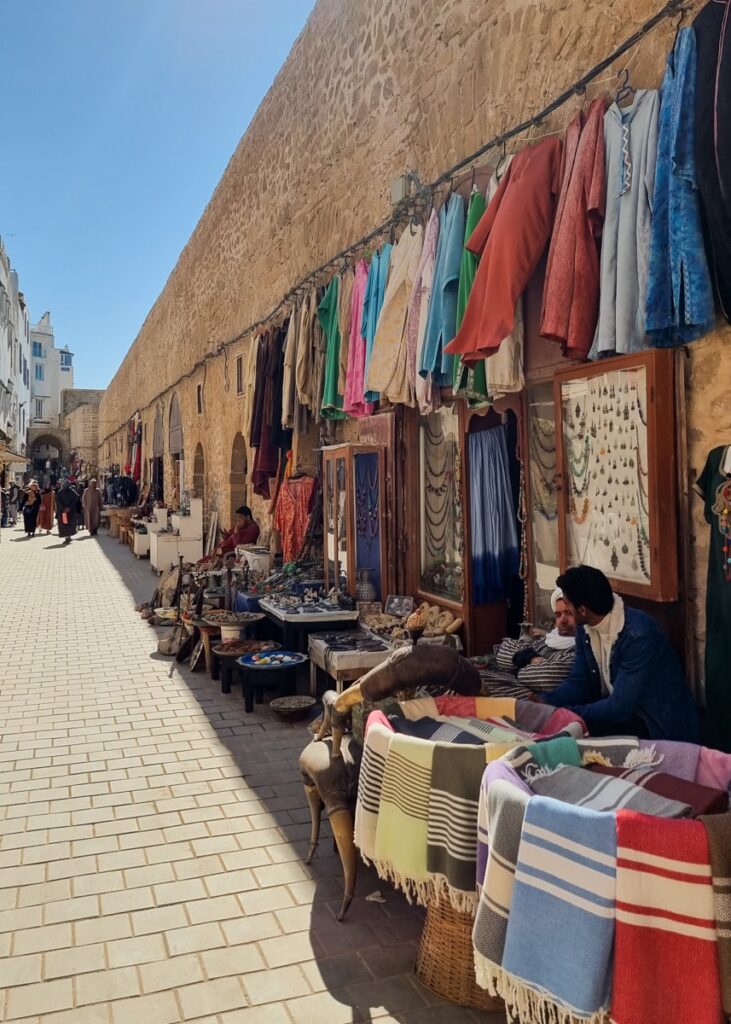
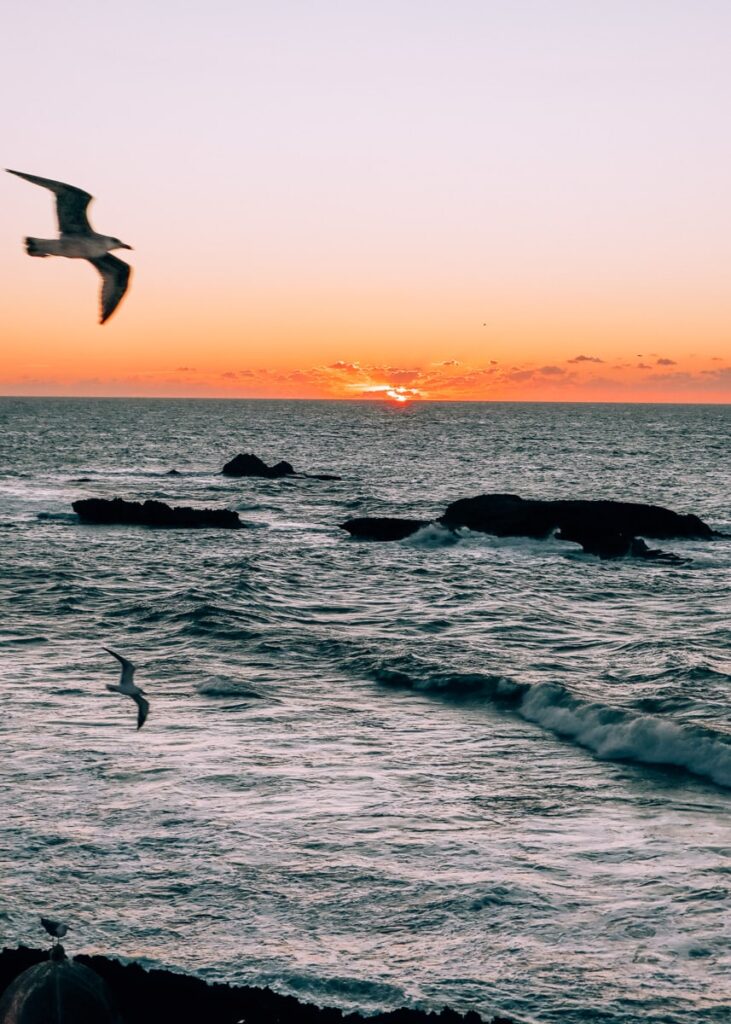
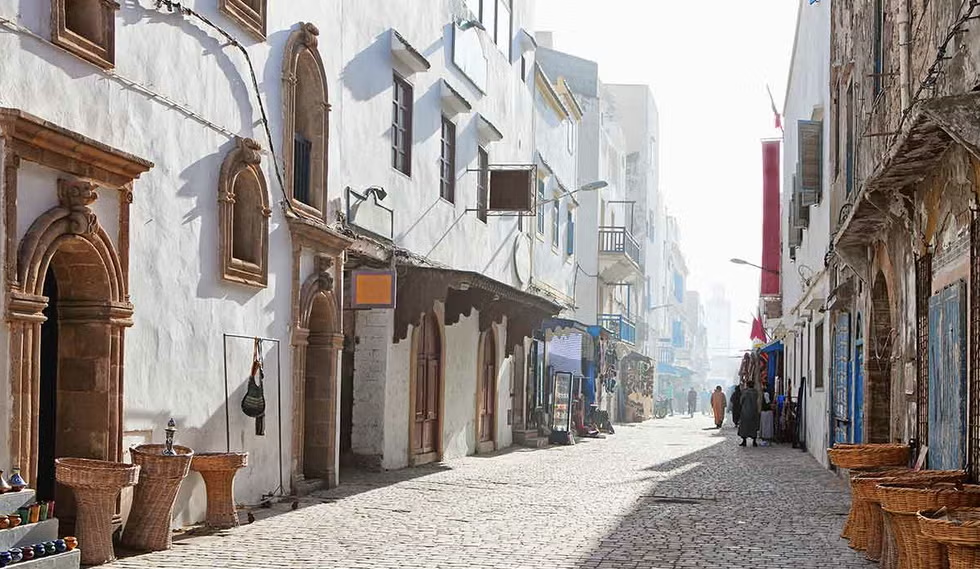
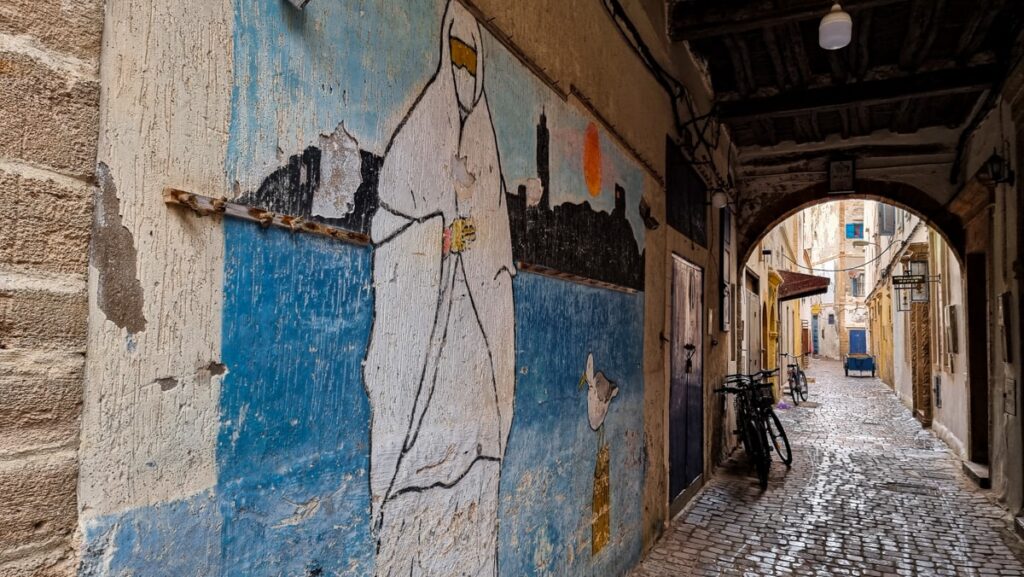
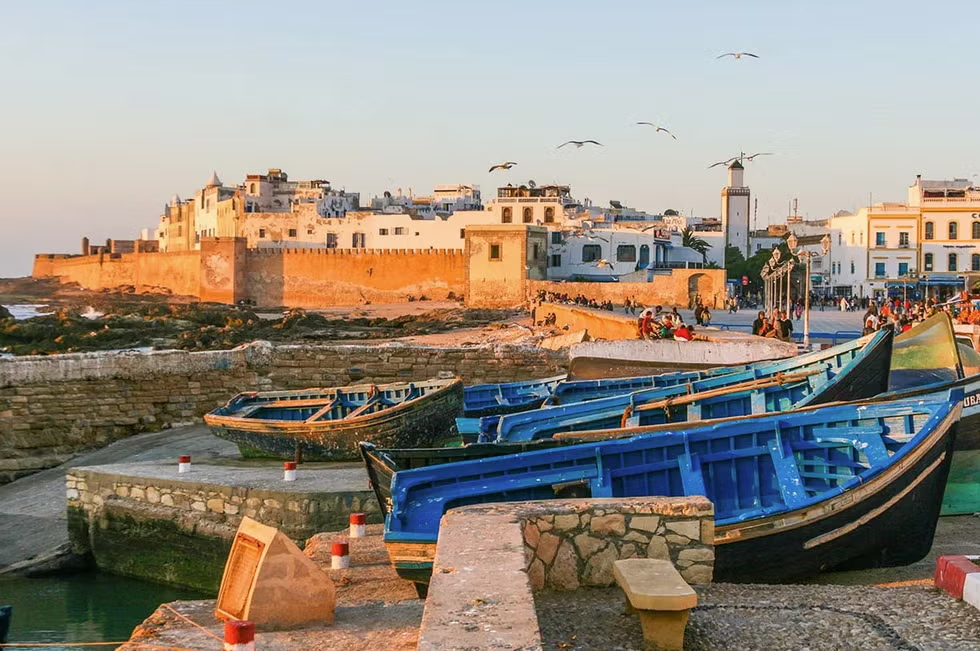
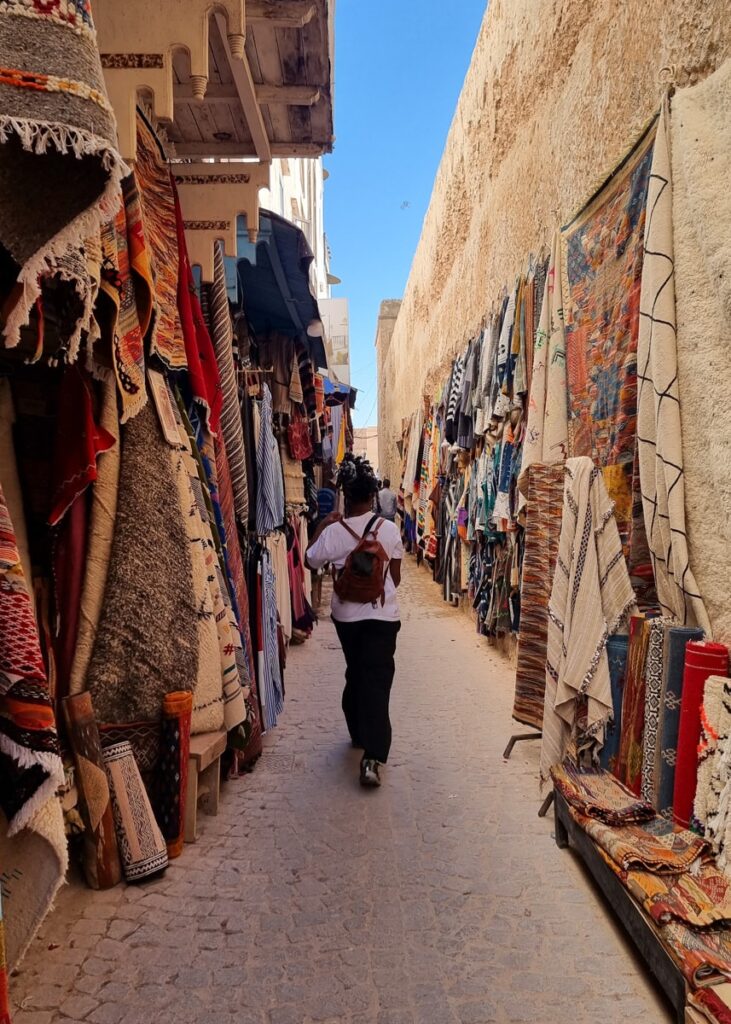
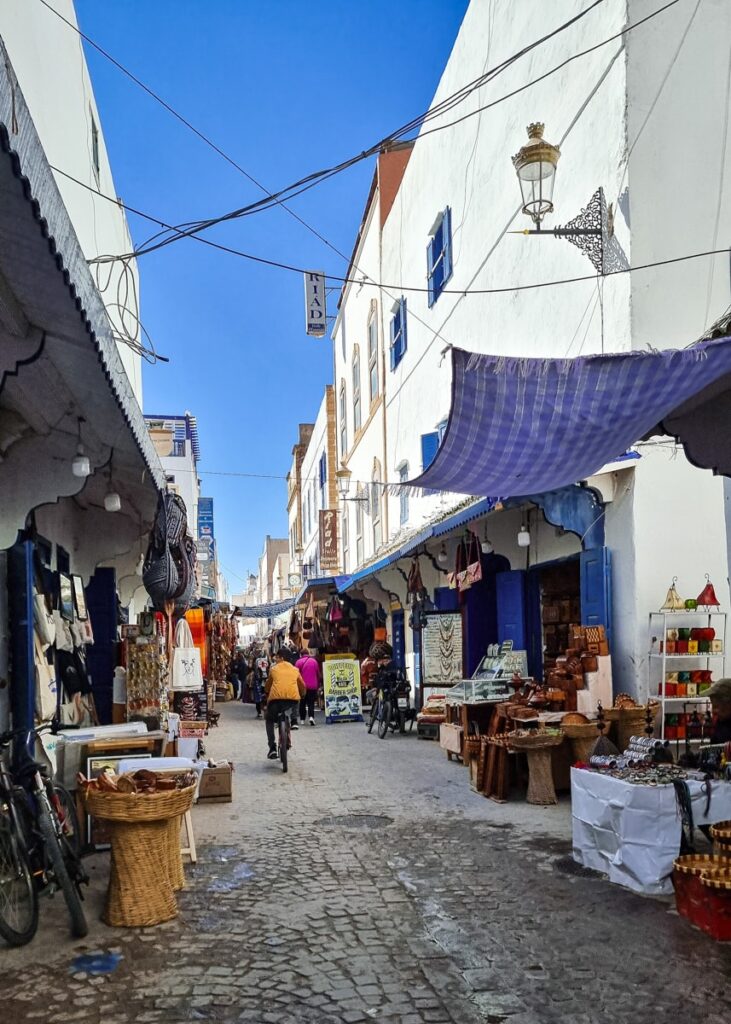
Formerly known as Mogador, Essaouira is a city on the Atlantic coast in the western Moroccan economic region of Marrakesh-Safi. The historic fortress walls that still enclose part of the city have given it an additional name which means “the little rampart.” The Medina of Essaouira is a UNESCO World Heritage-listed city, an example of a late 18th-century fortified town as transferred to North Africa by European colonists. Essaouira’s climate is Mediterranean with oceanic influences, with a small gap between high and low temperatures, warm summers, and mild winters.
FES

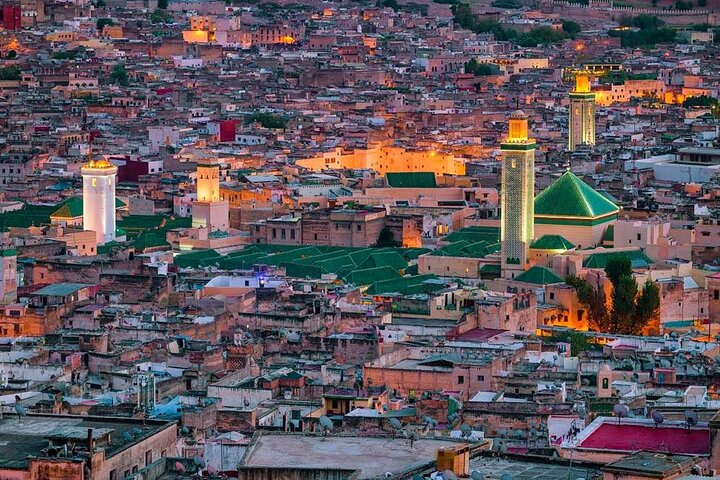
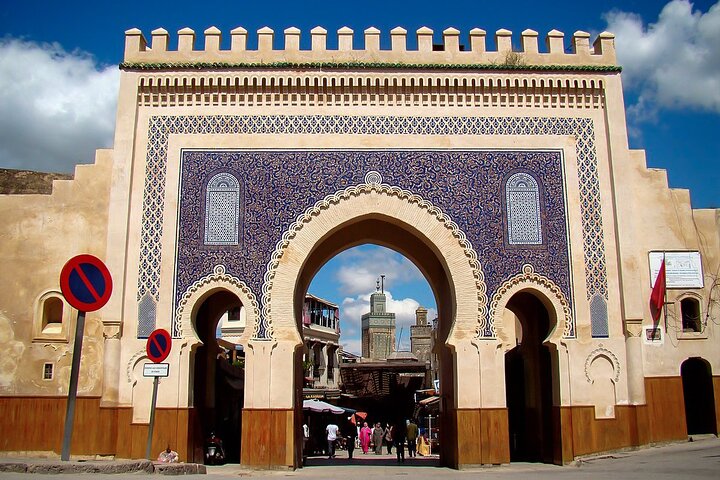
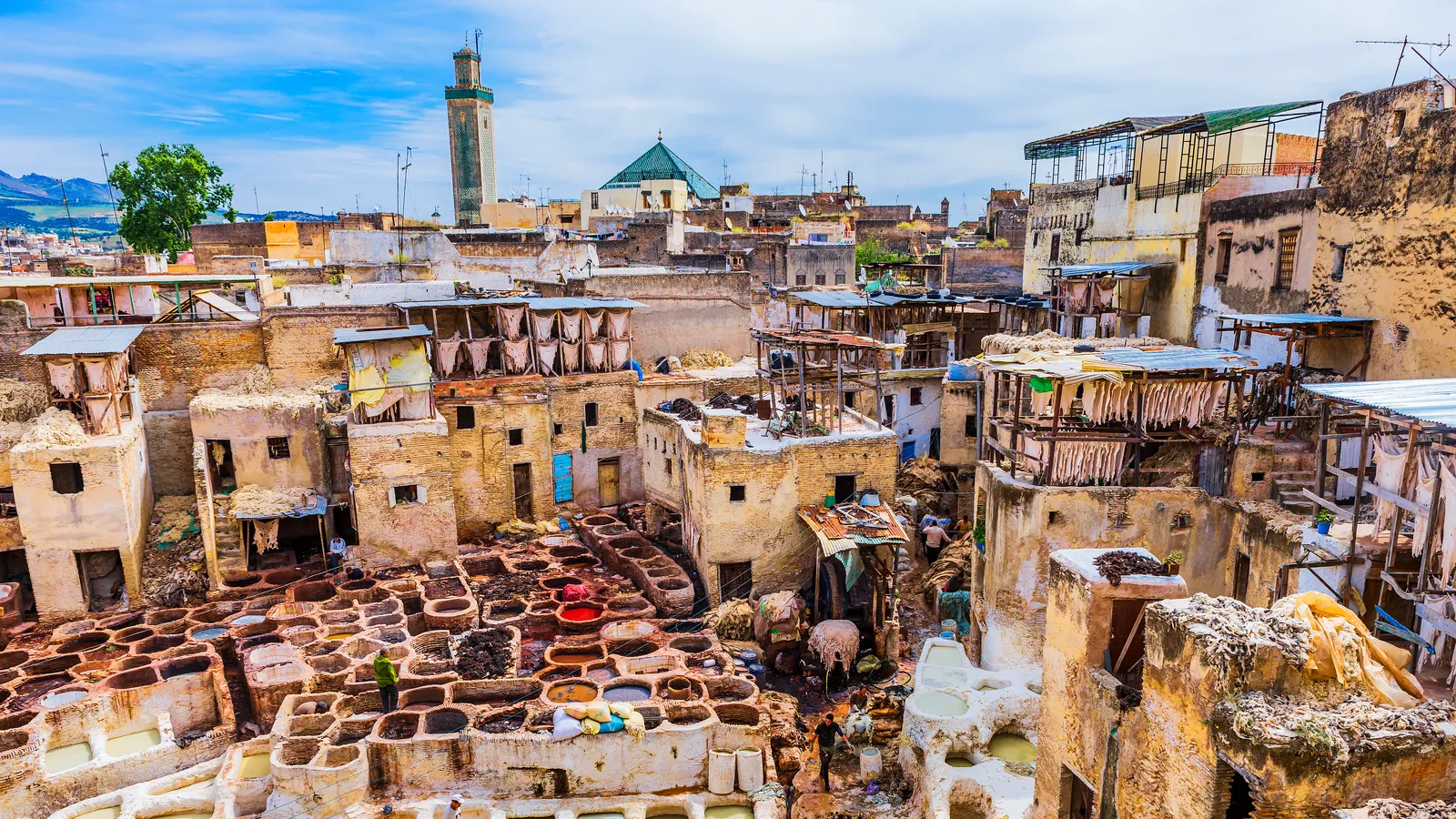
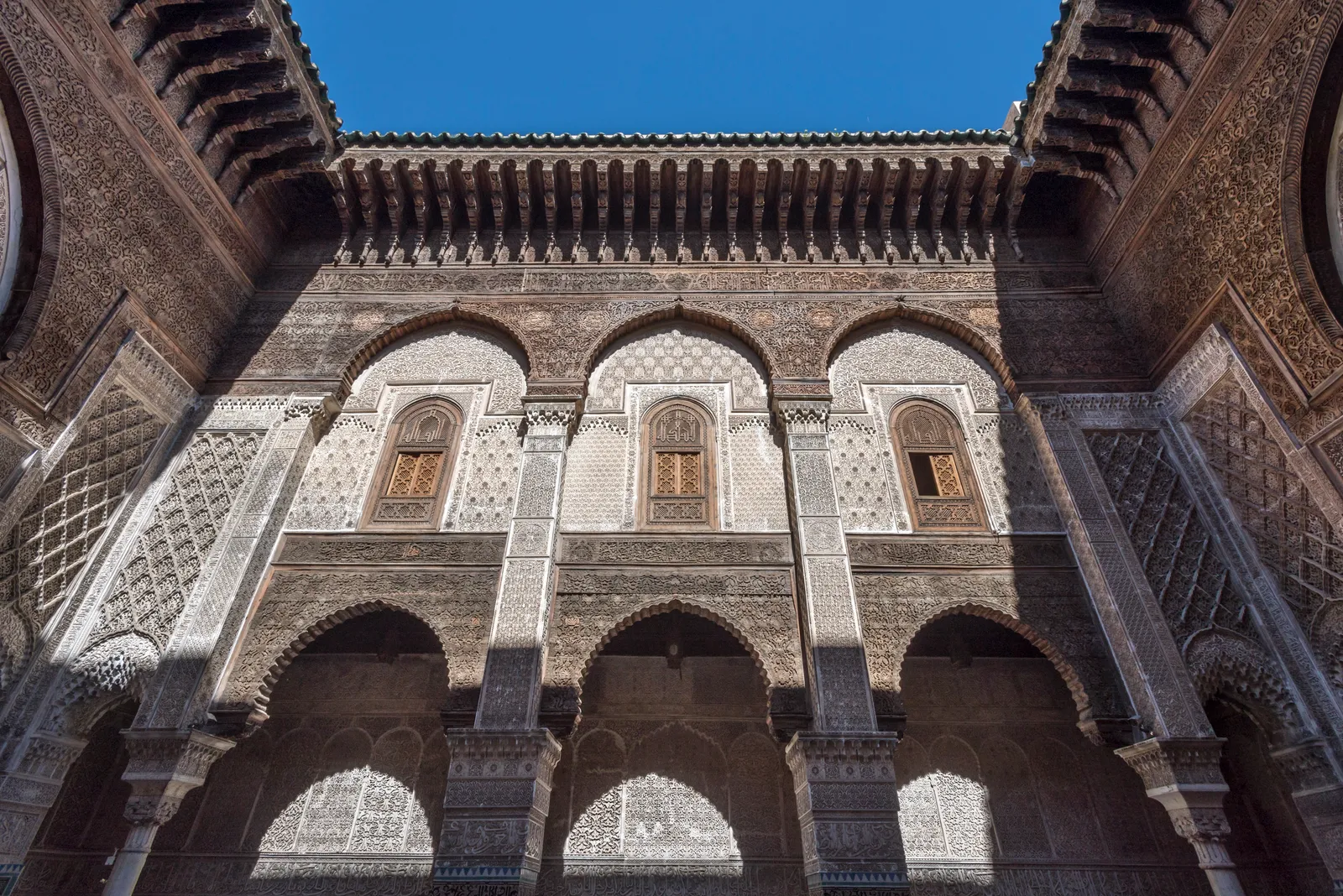
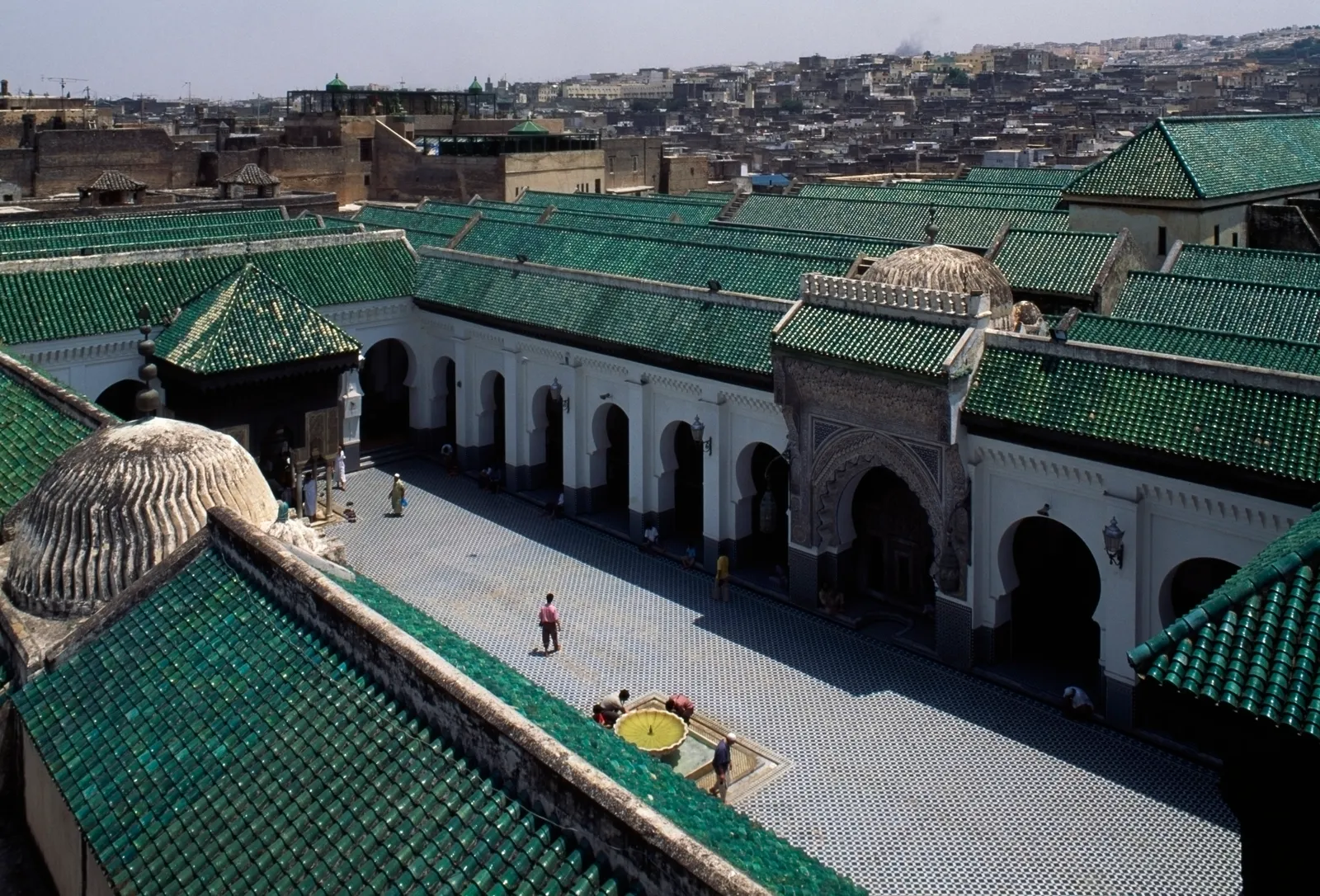
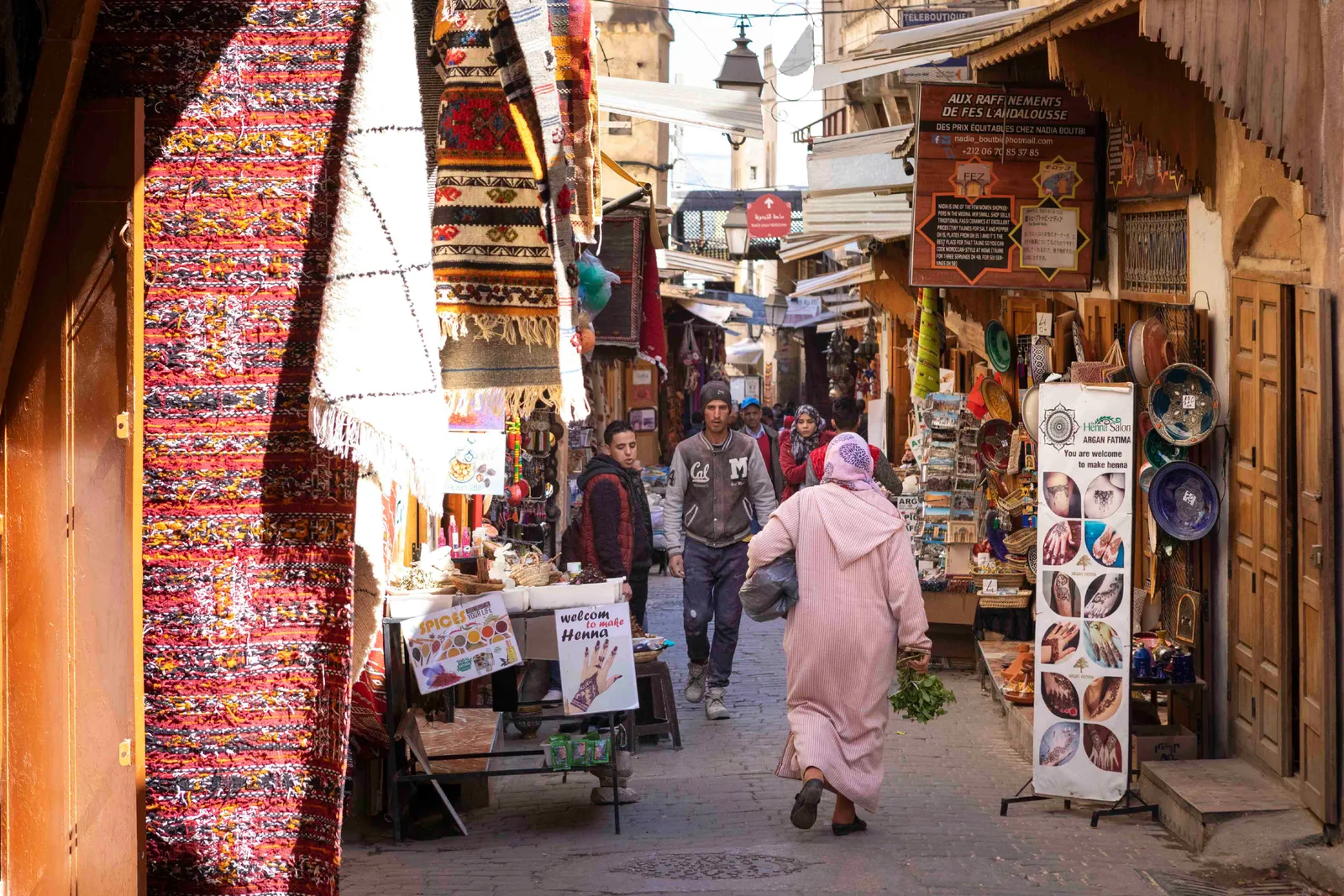
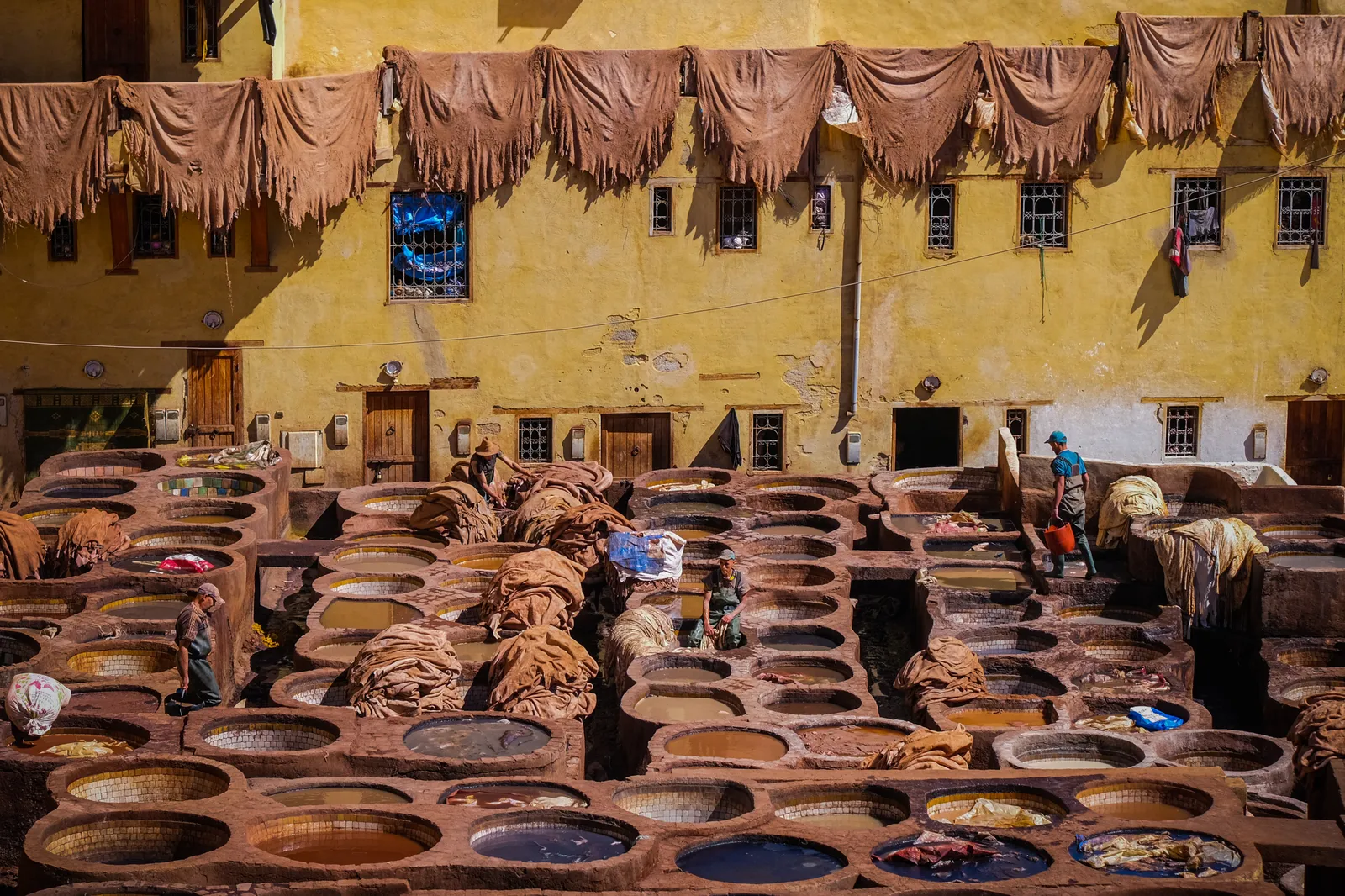
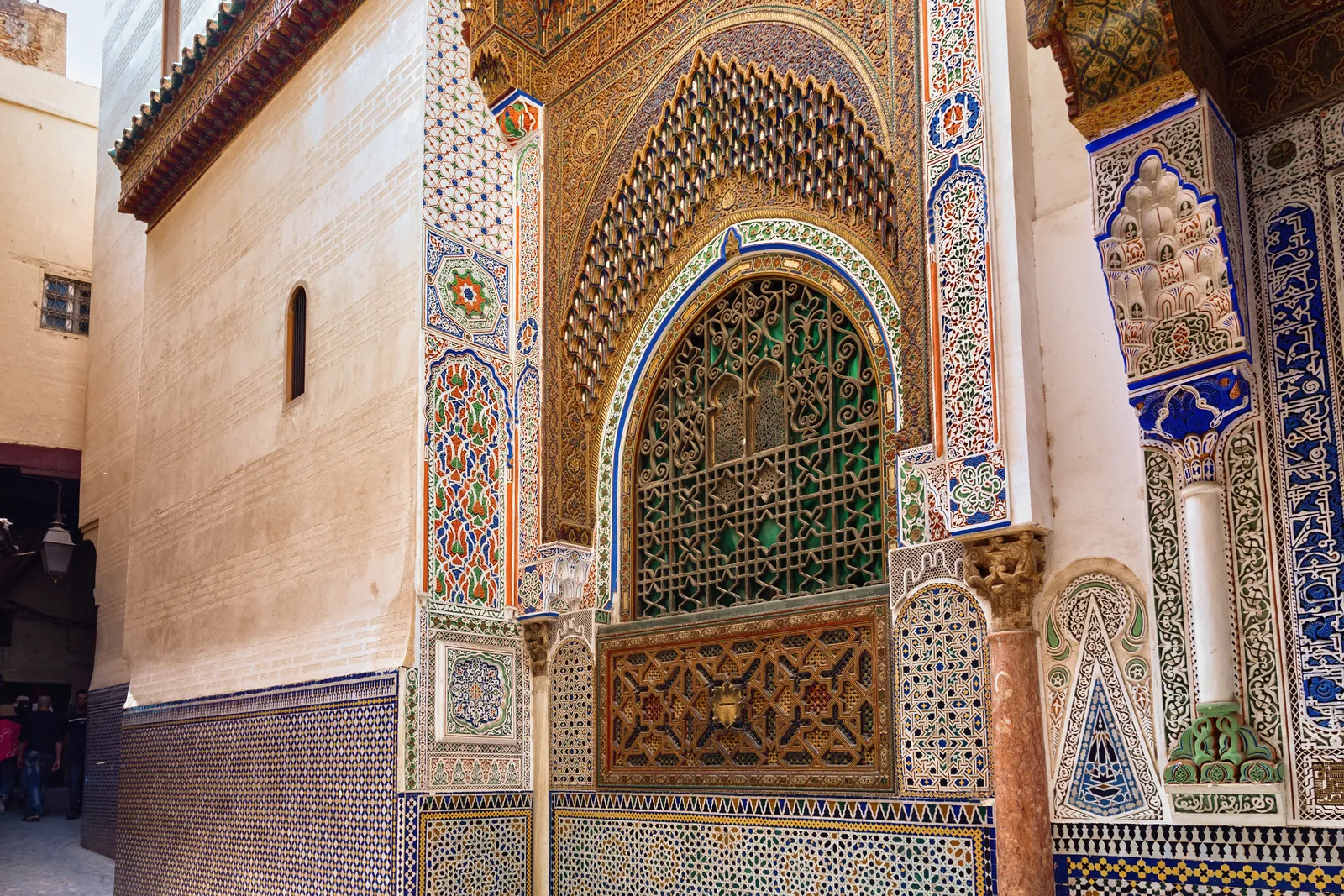
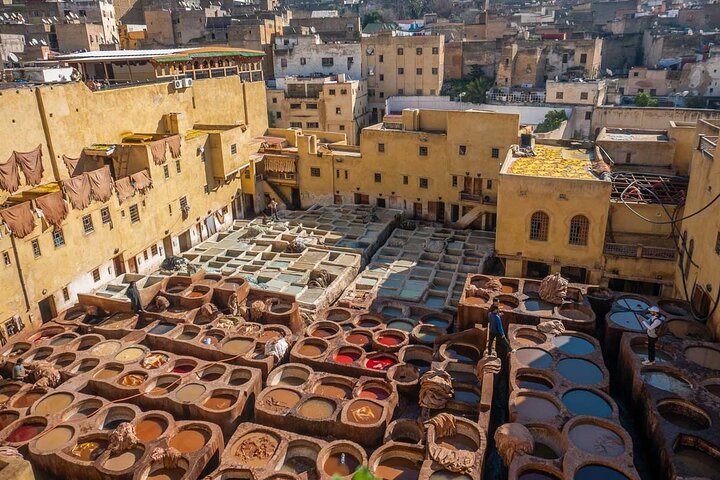
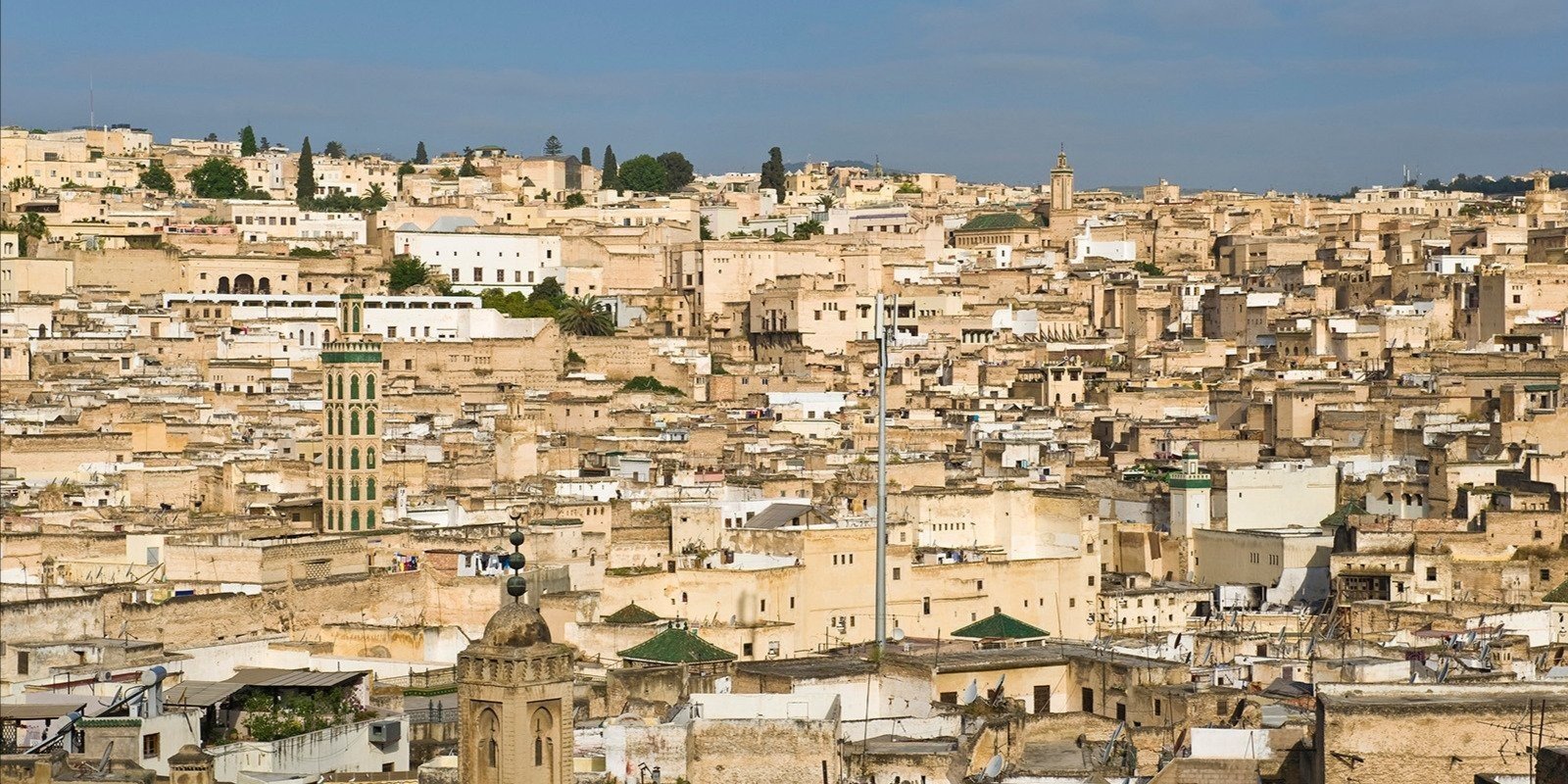
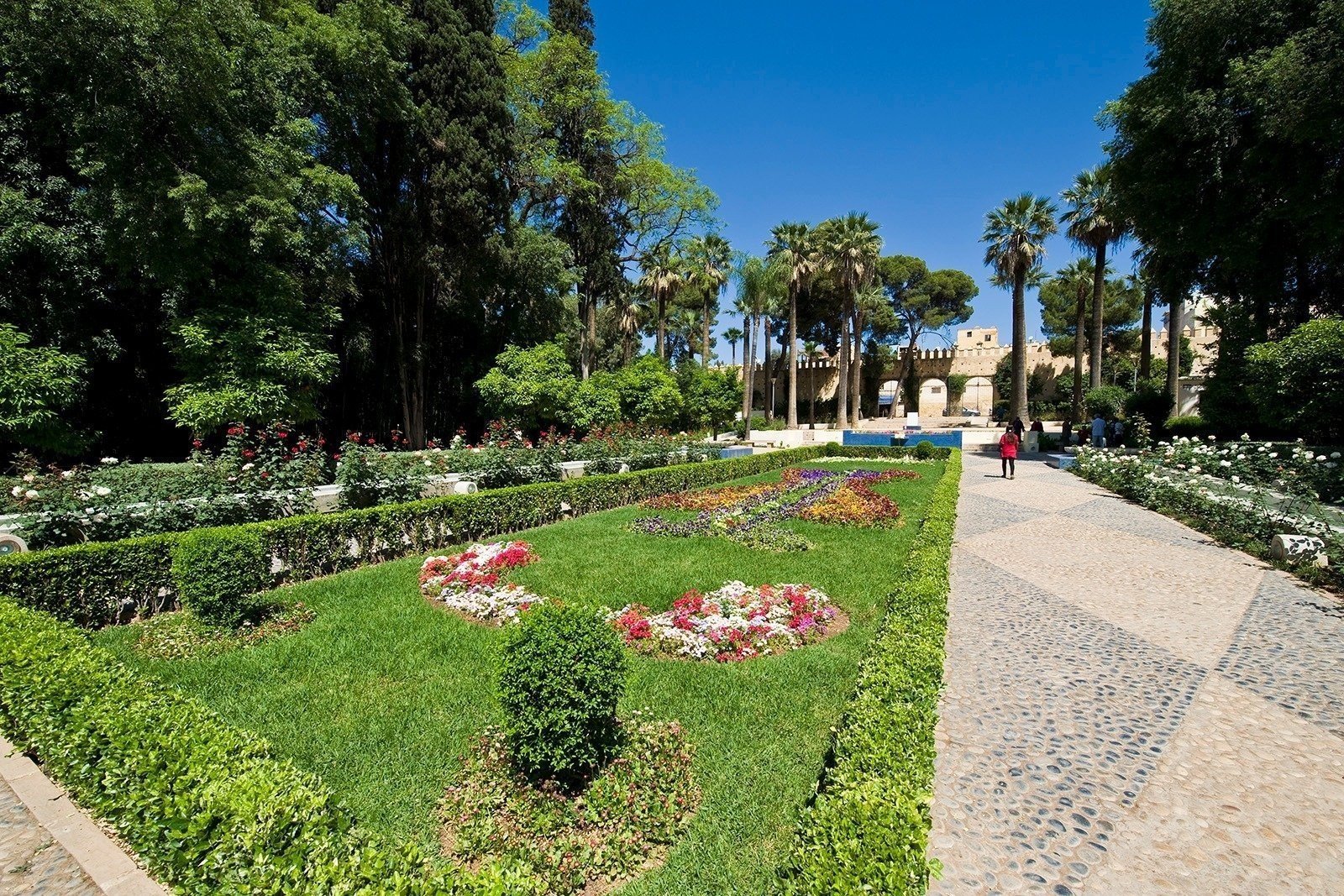
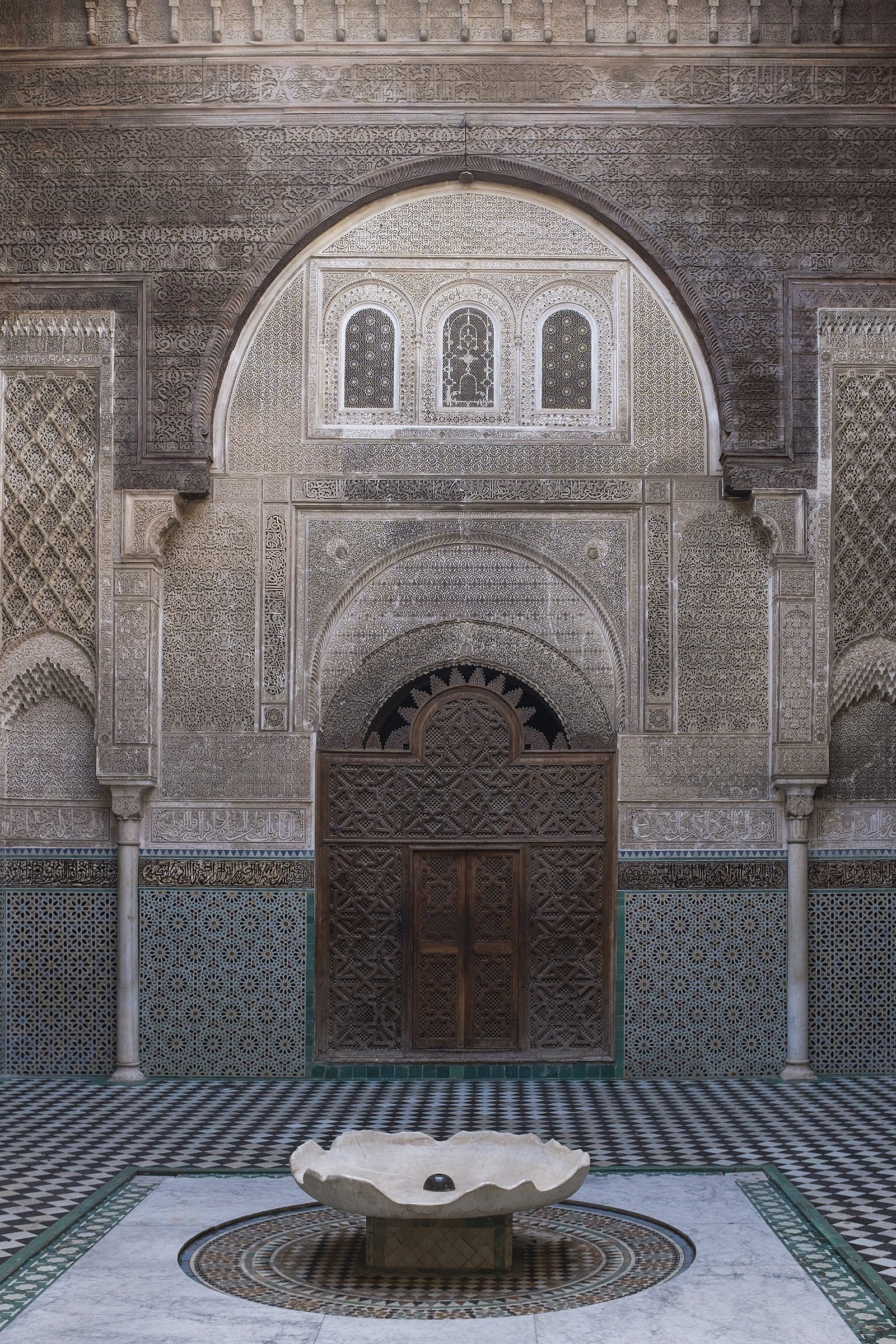
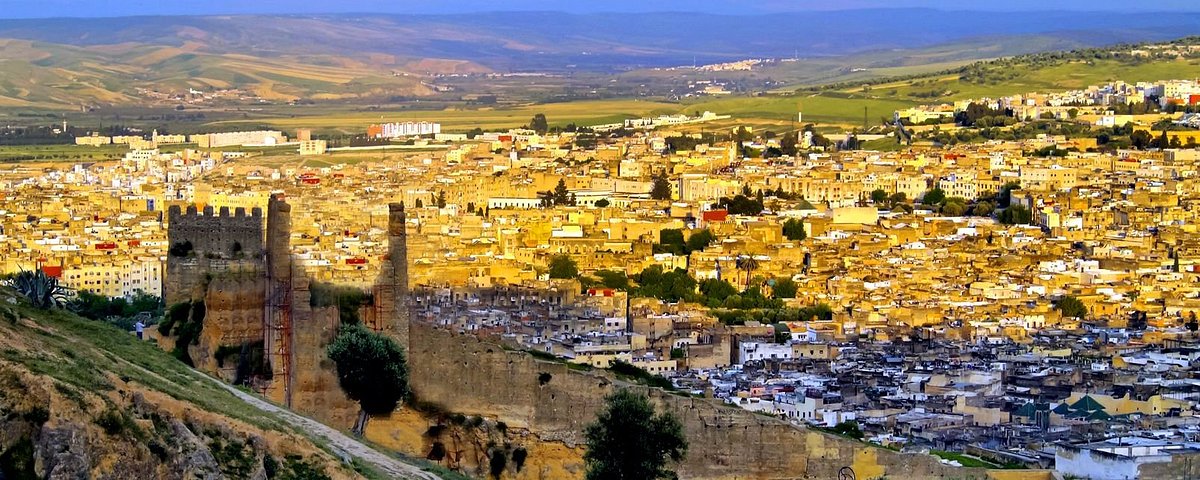
Fez is located by the Atlas Mountains and was the capital city of modern Morocco until 1925. Listed as a UNESCO World Heritage Site, it is home to the oldest functioning university in the world and is considered one of the largest urban pedestrian zones globally./div>
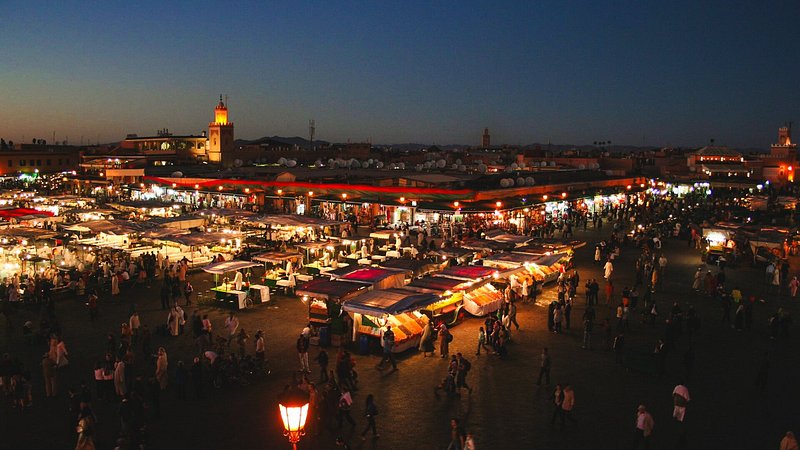
MARRAKECH
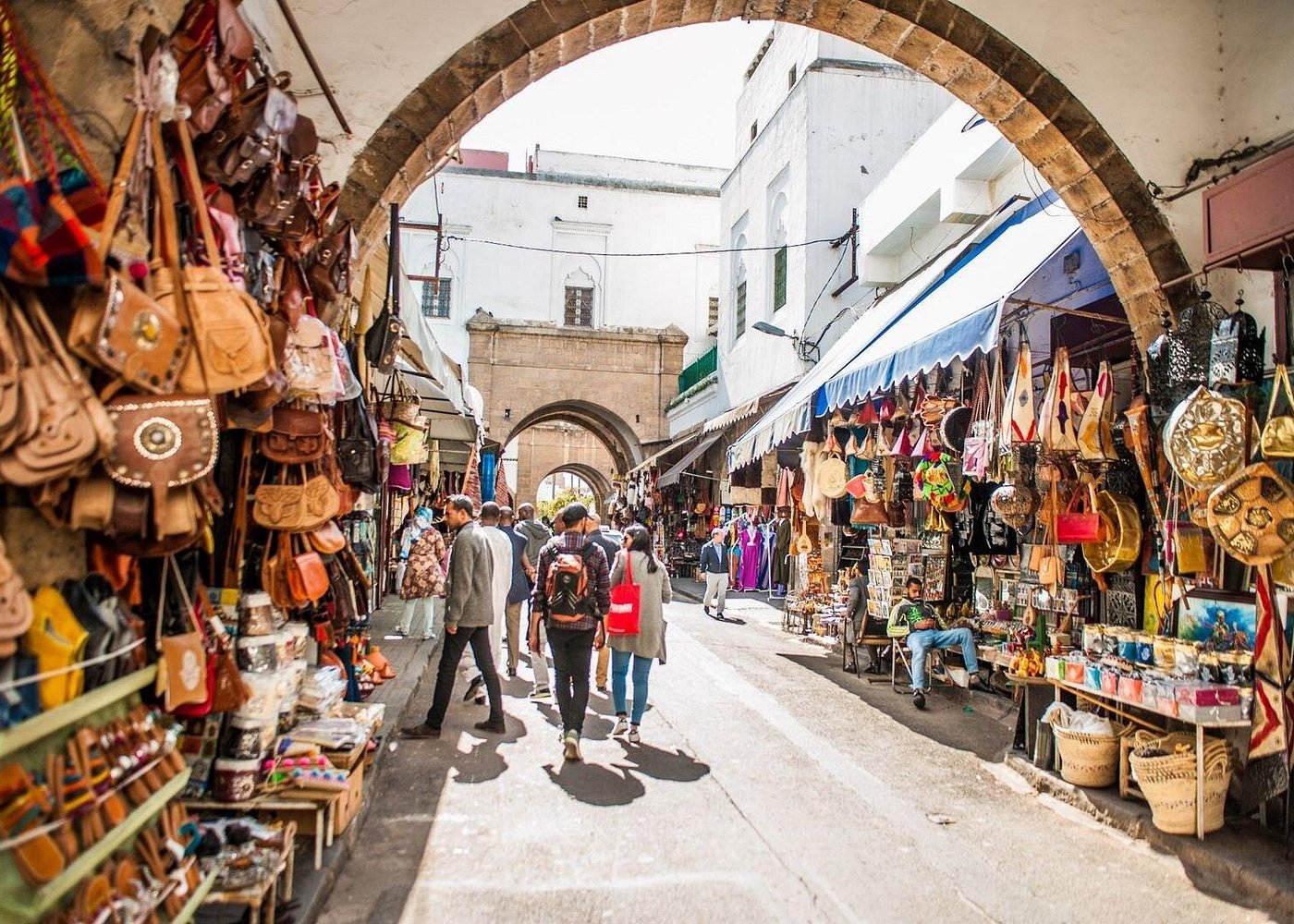
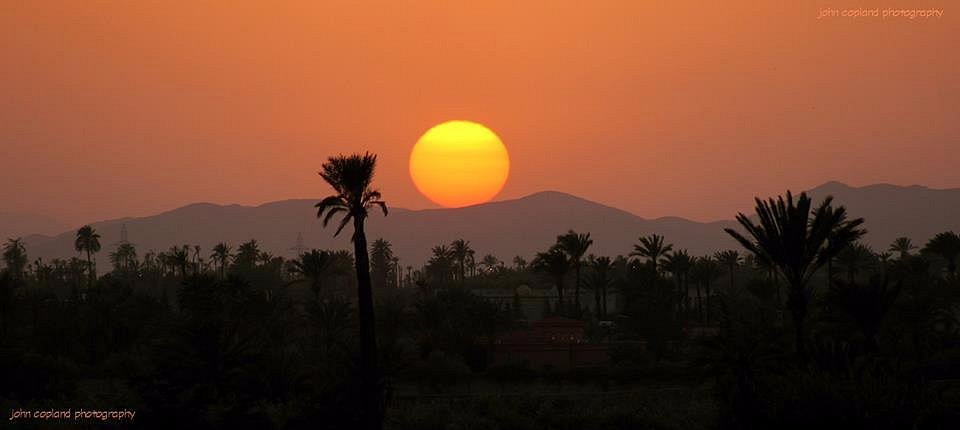
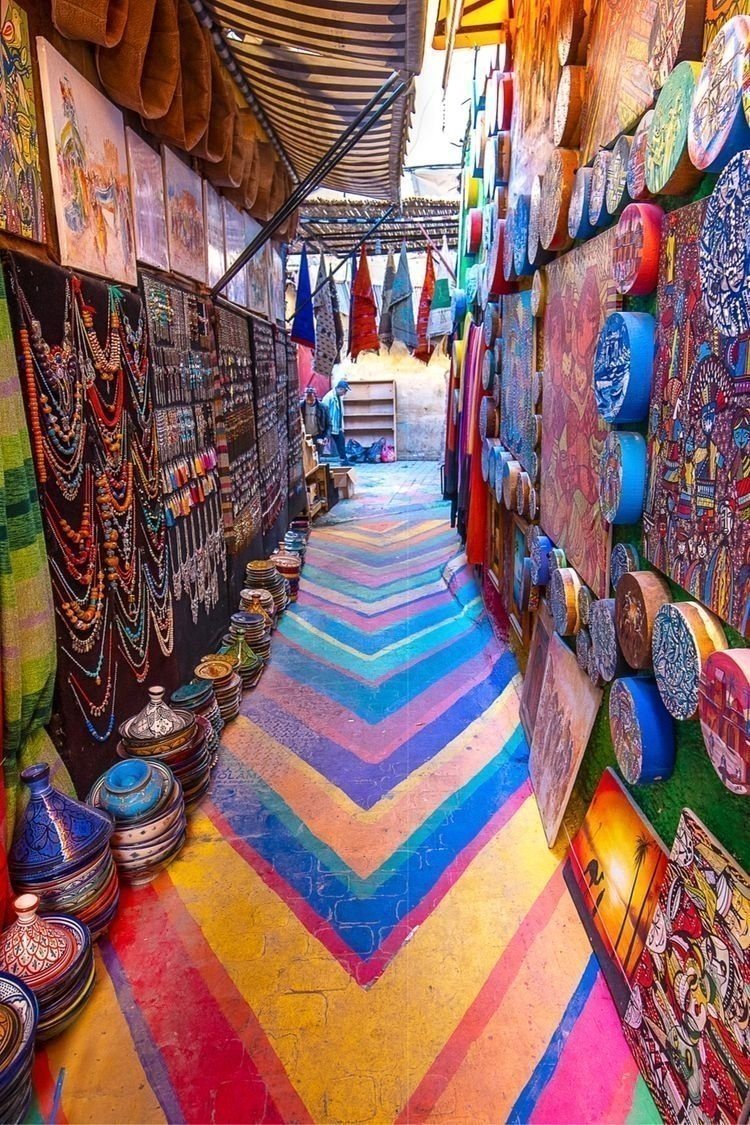
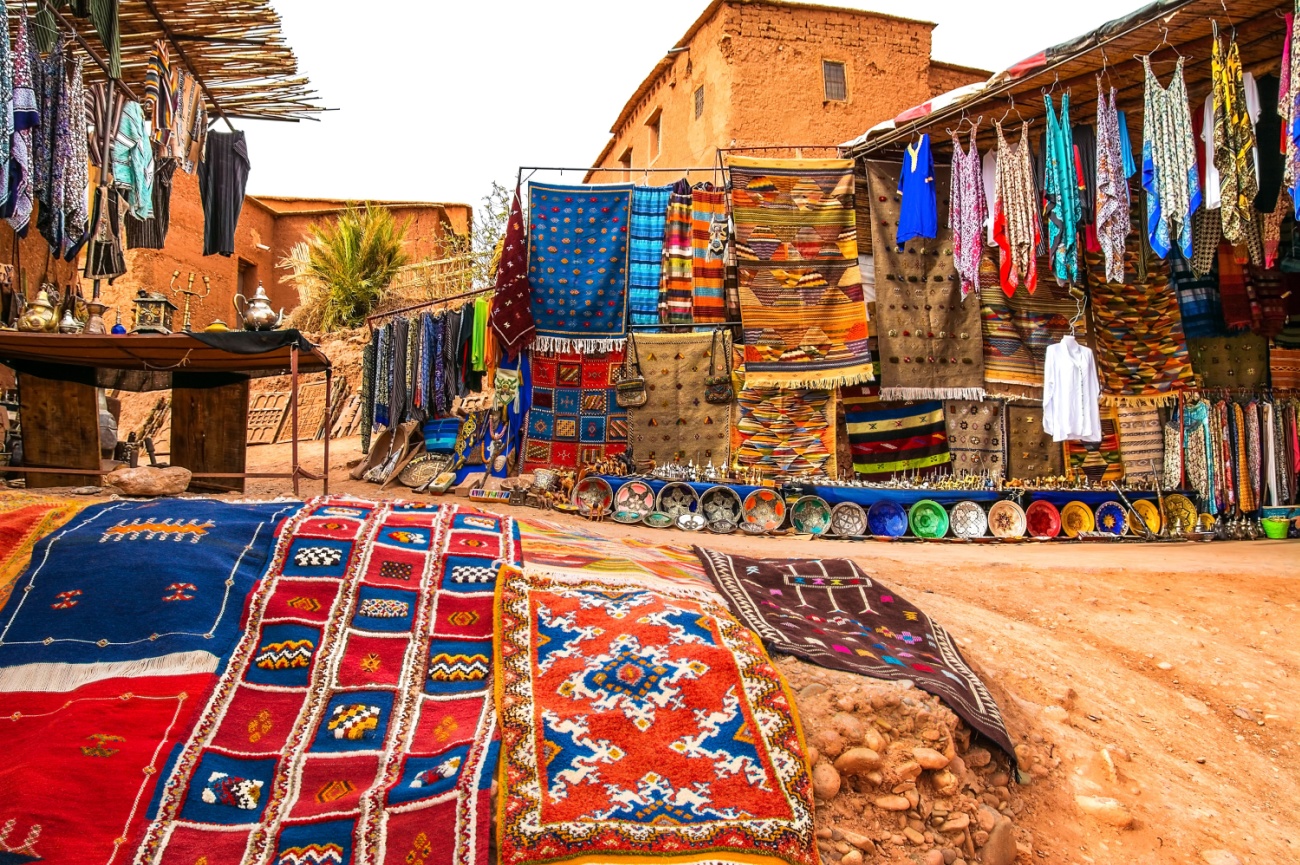
Being one of Morocco’s three largest cities, Marrakech is an exciting and exotic destination with deep Berber heritage. The European-style pavement cafés contrast with the maze of traditional markets (souks), where Islamic art and architecture blend with vibrant nightlife. Marrakech attracts a vast number of tourists for its rich history, culture, and the scenic Atlas Mountains. With scarce rainfall, comfortable daytime temperatures, and mild nights, spring and autumn are the ideal seasons to visit. In June, hot desert winds may bring dust, while in August temperatures can exceed 40°C. Winter days remain relatively mild, while nights can drop to around 4–5°C.
OUARZAZATE
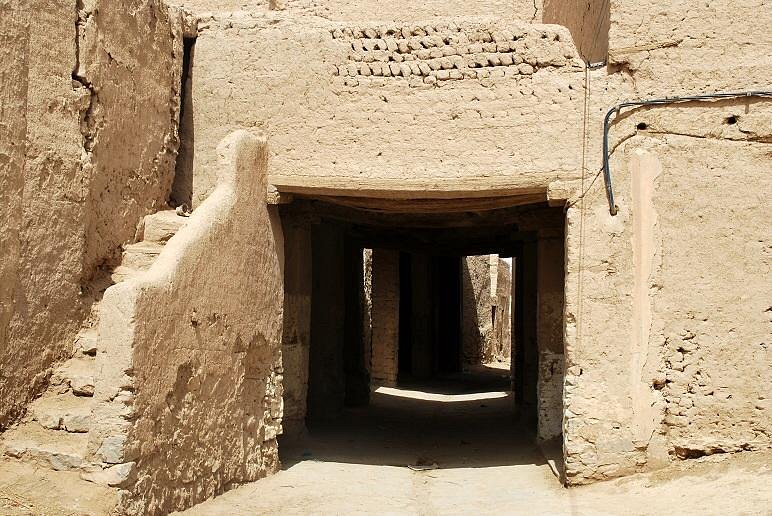
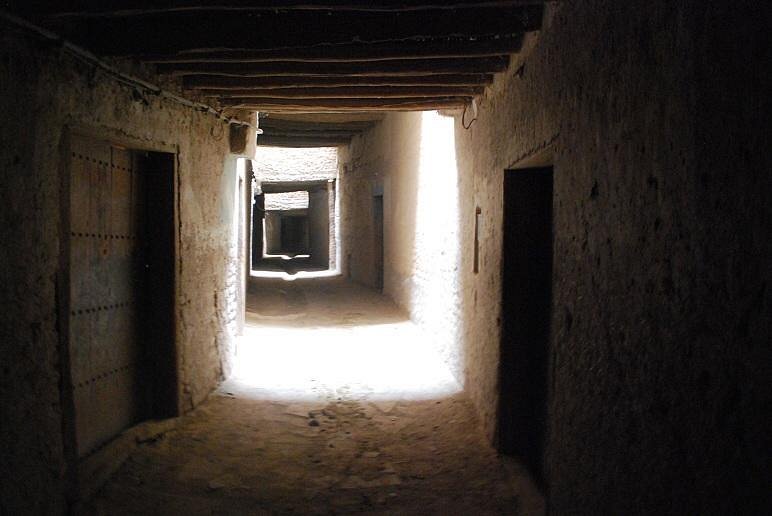
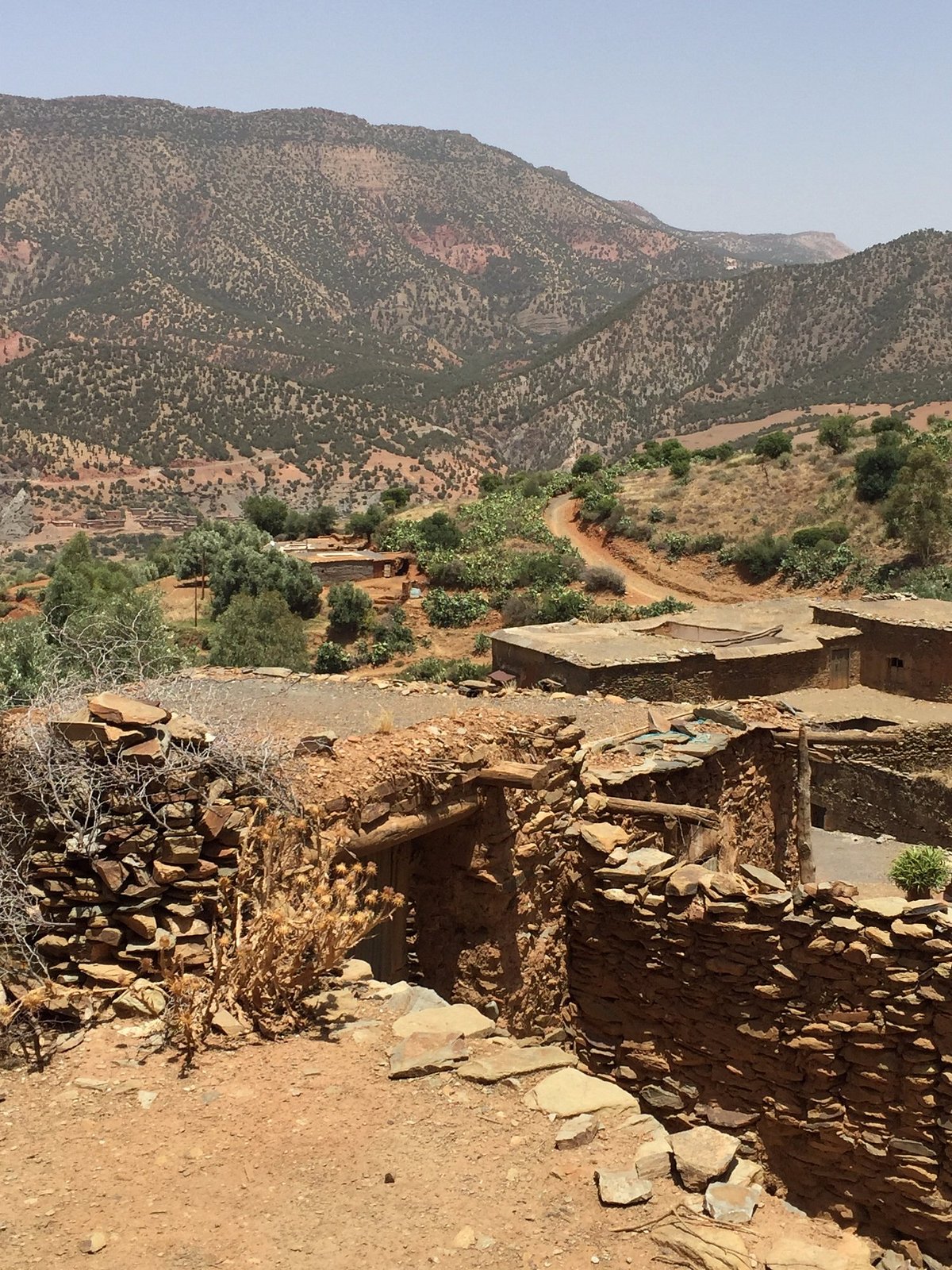
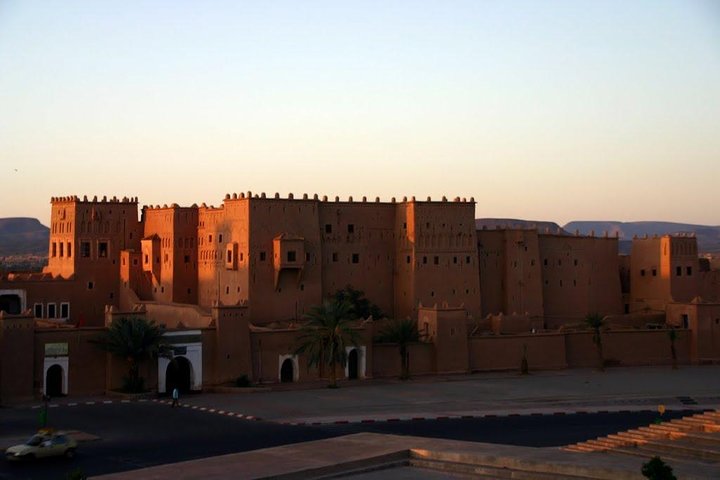
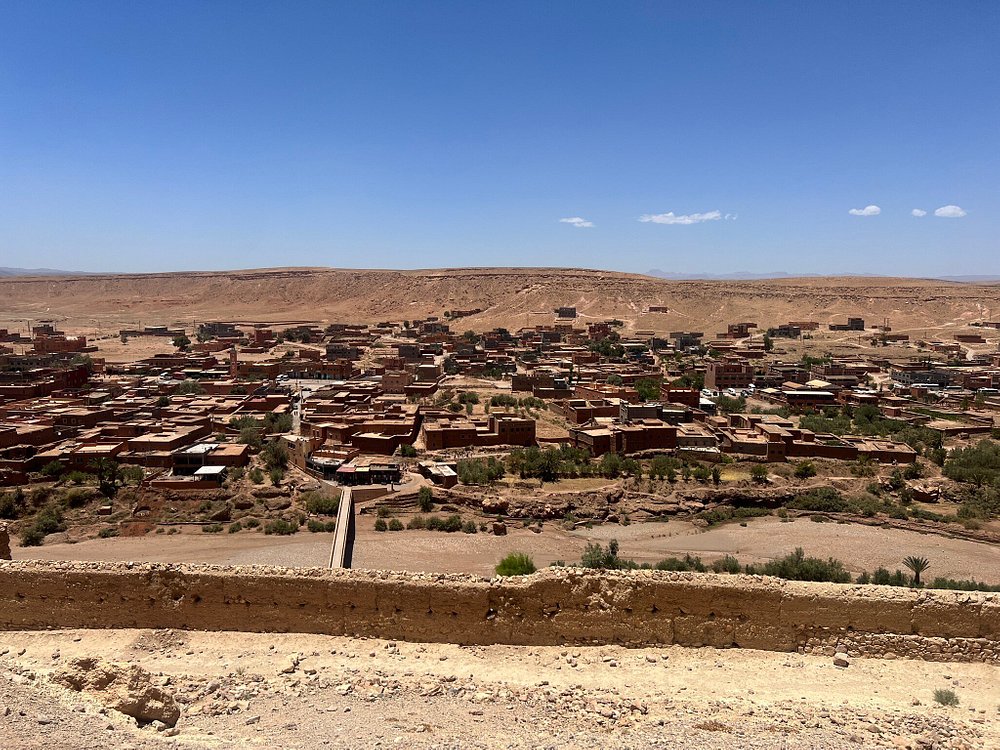
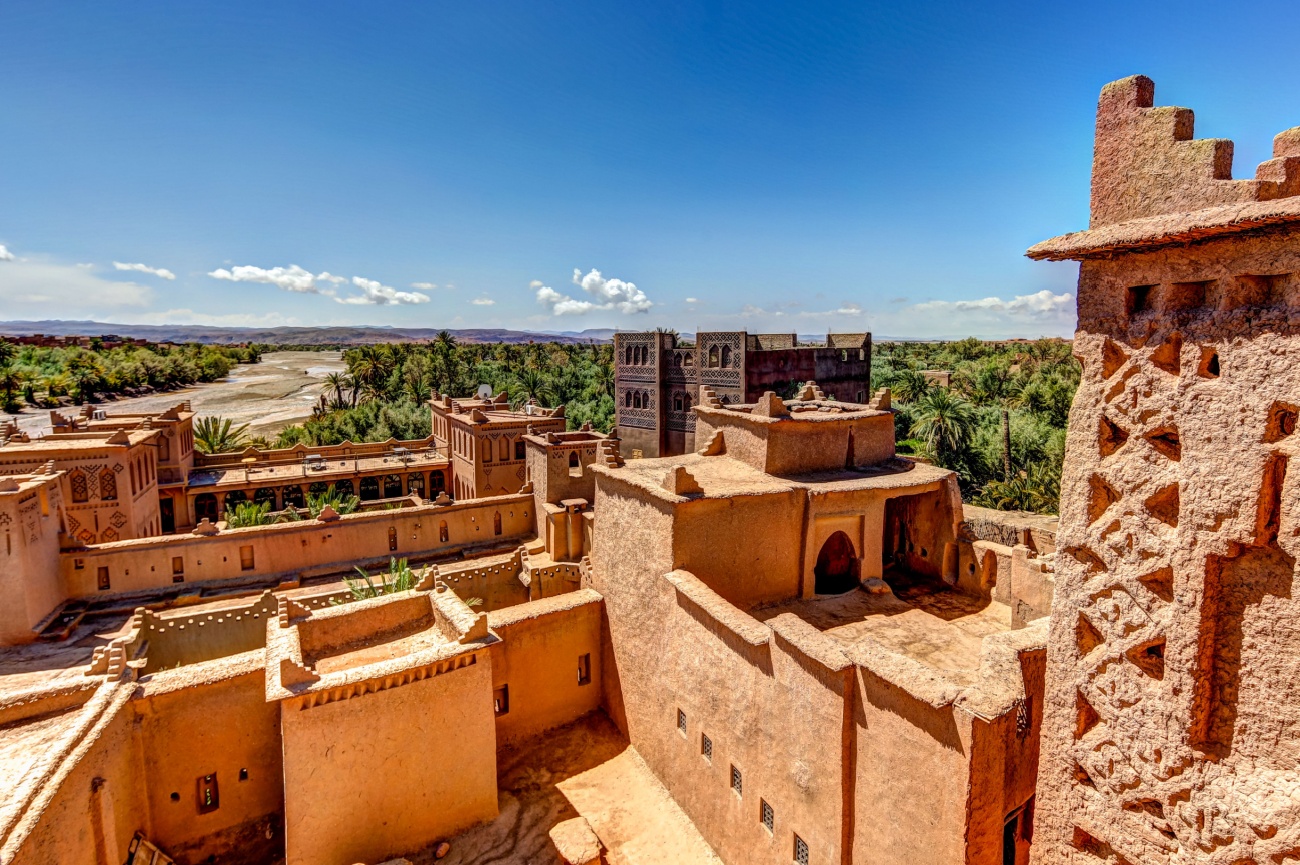
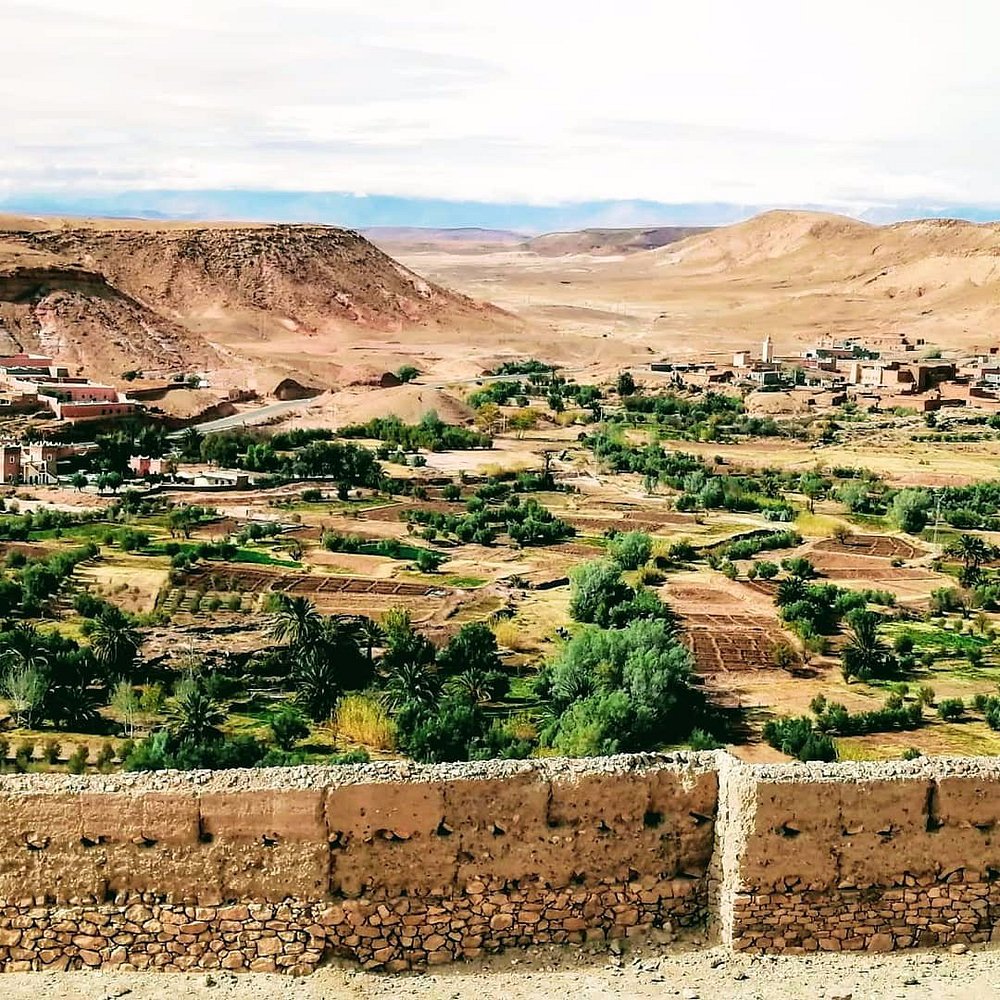
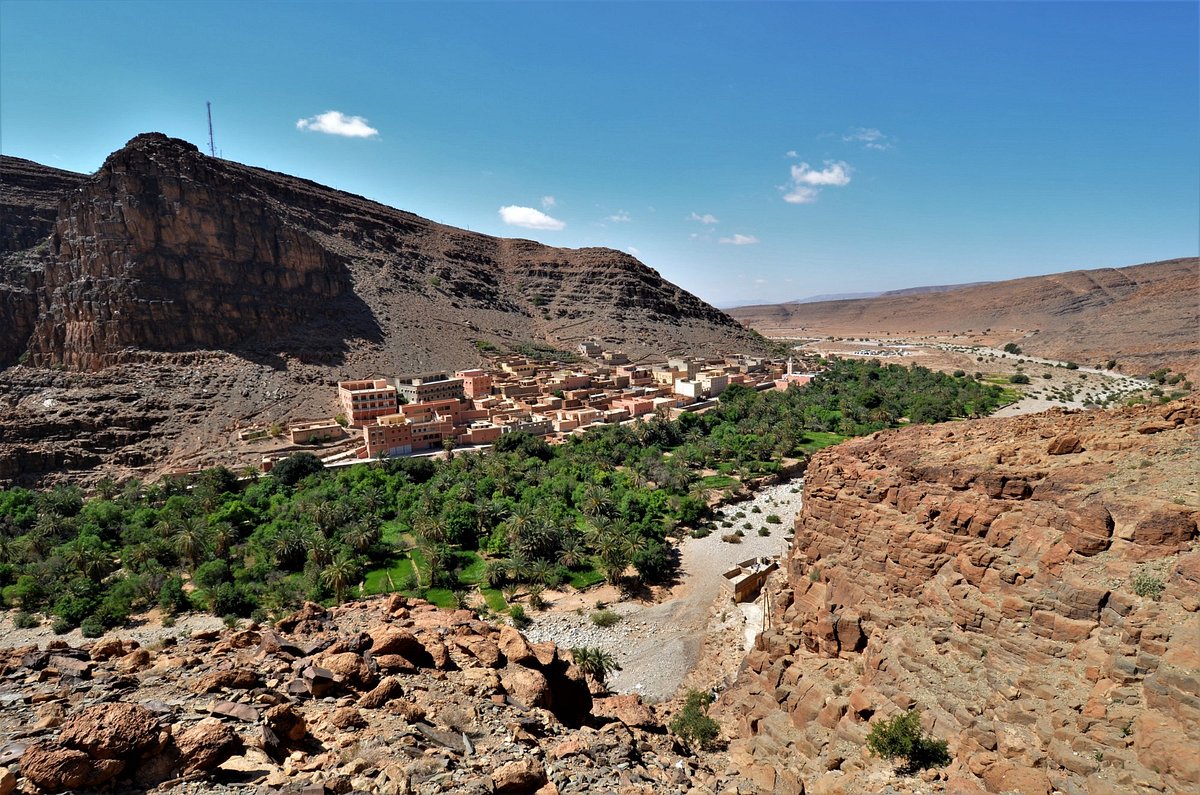
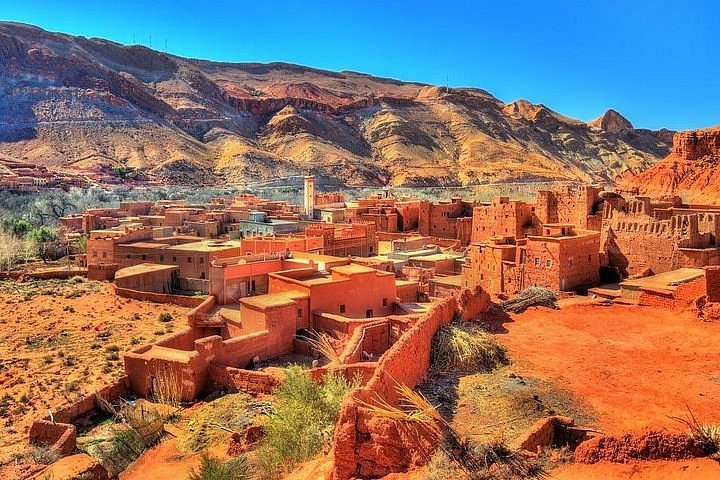
Nicknamed the “Door of the Desert,” Ouarzazate is a city in south-central Morocco. It is located south of the High Atlas Mountains at an elevation of 1,160 meters, set within a vast plateau. The town is home to both Darija (Arabic dialect) and Berber-speaking communities, who built many of the iconic kasbahs and structures the region is known for. Ouarzazate experiences hot, dry summers, while winters can be cold with icy winds descending from the High Atlas Mountains.
SIDI IFNI
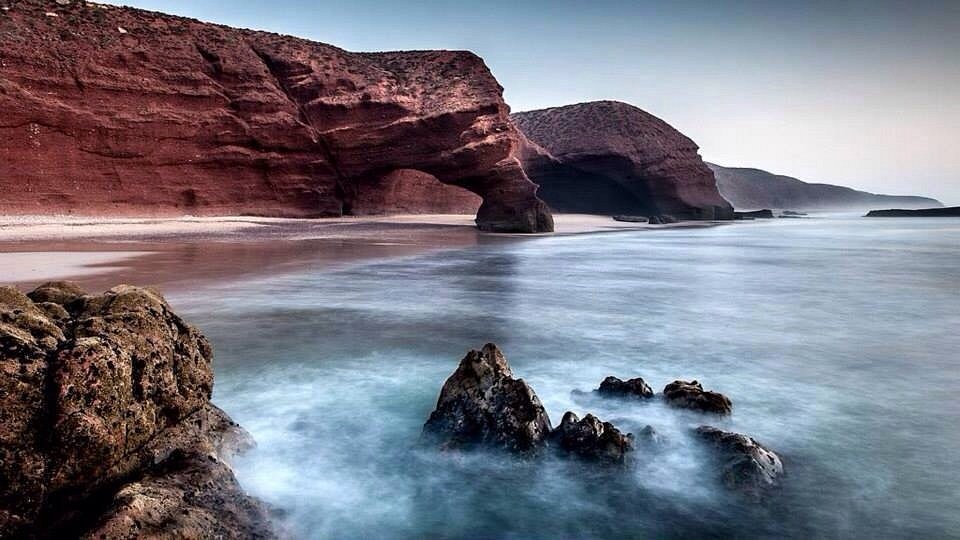
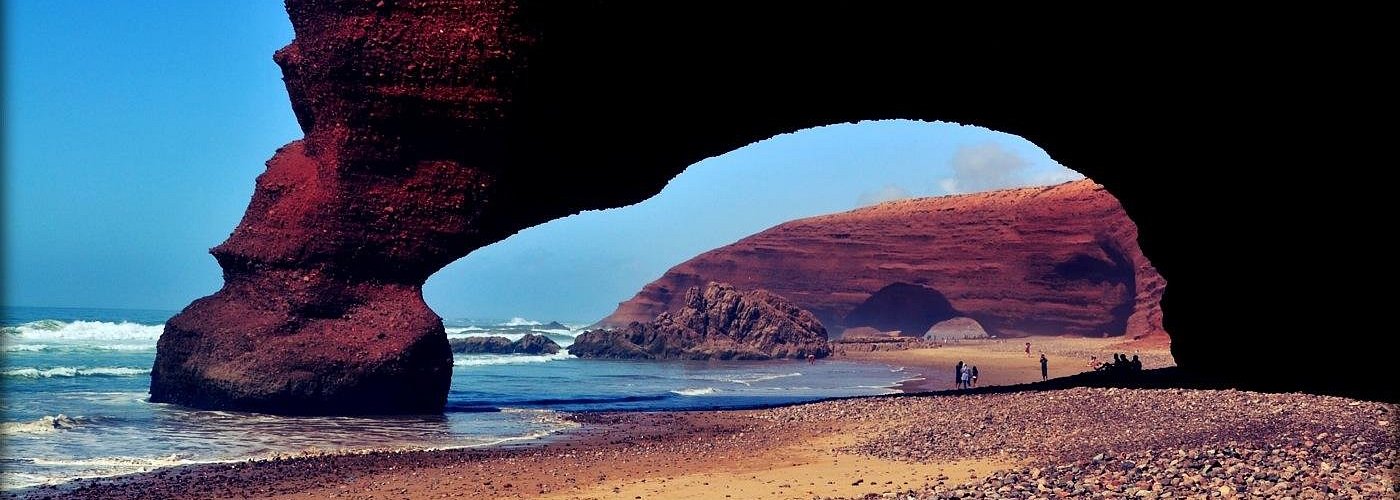
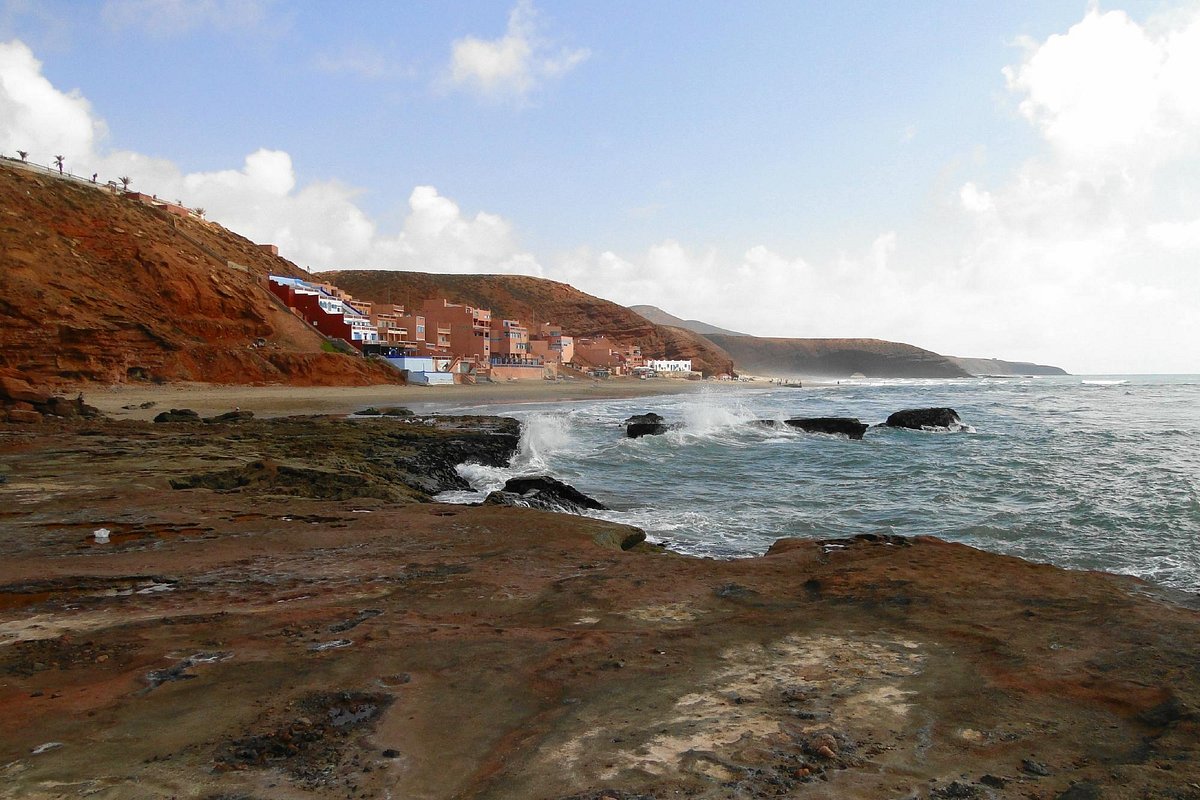
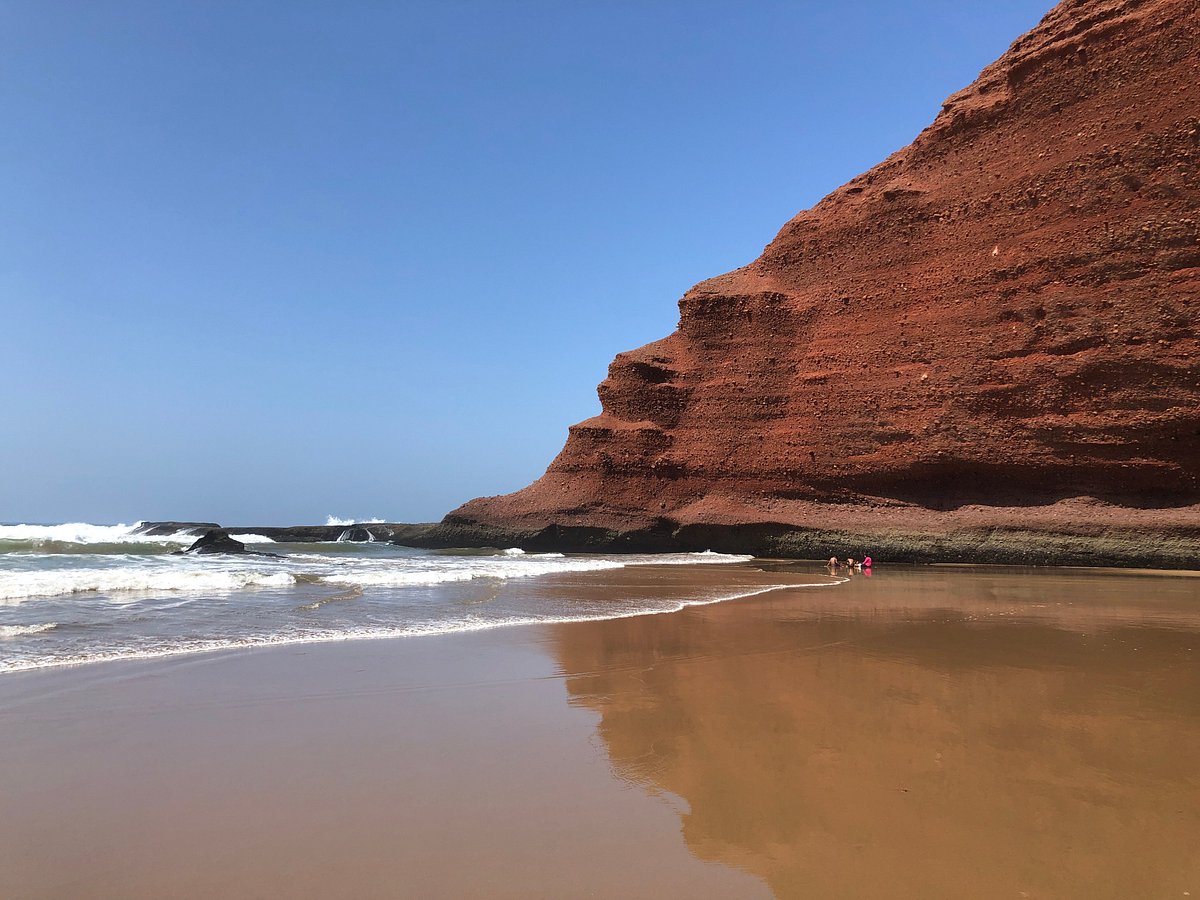
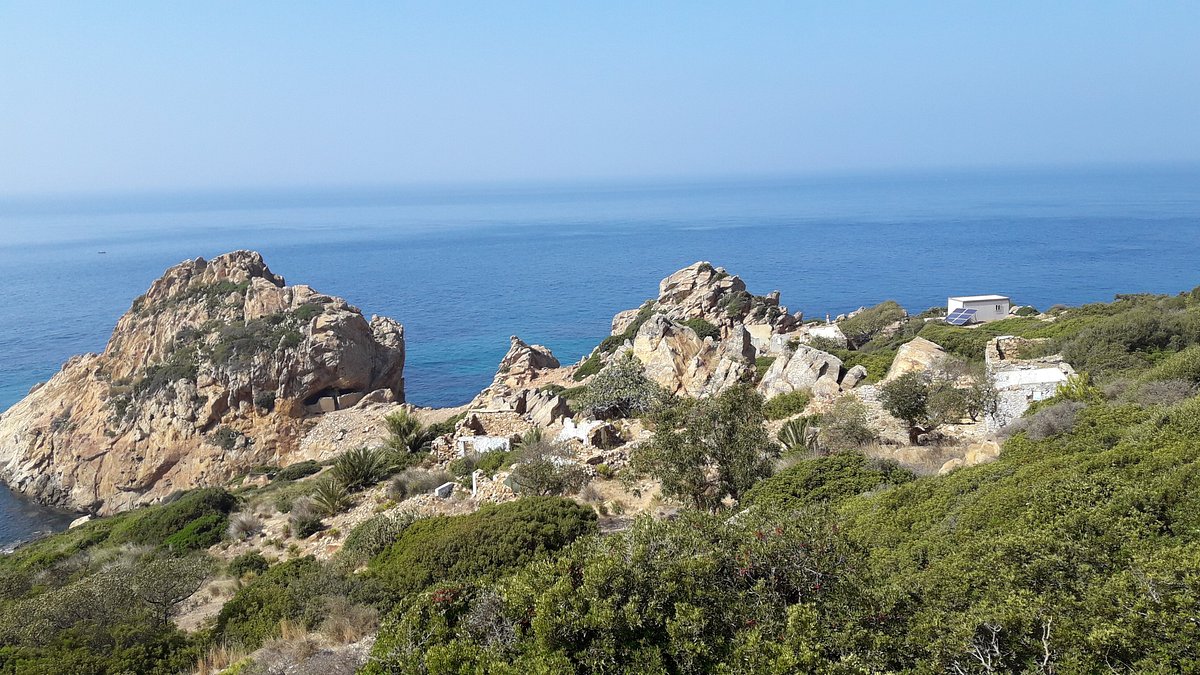
Sidi Ifni is a city in southwest Morocco, located on the shores of the Atlantic Ocean. With a population of around 20,000, it is mainly inhabited by Berbers and Arabs from the Ait Baamrane tribe. The city has a desert climate, with temperatures ranging between 15°C and 21°C, and experiences very little rainfall throughout the year.
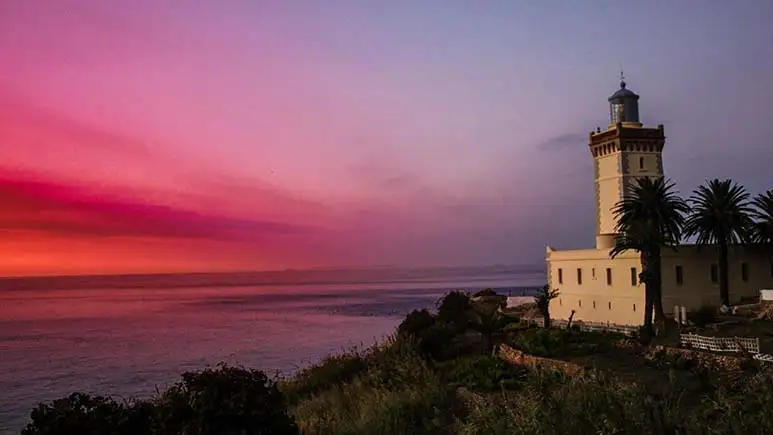
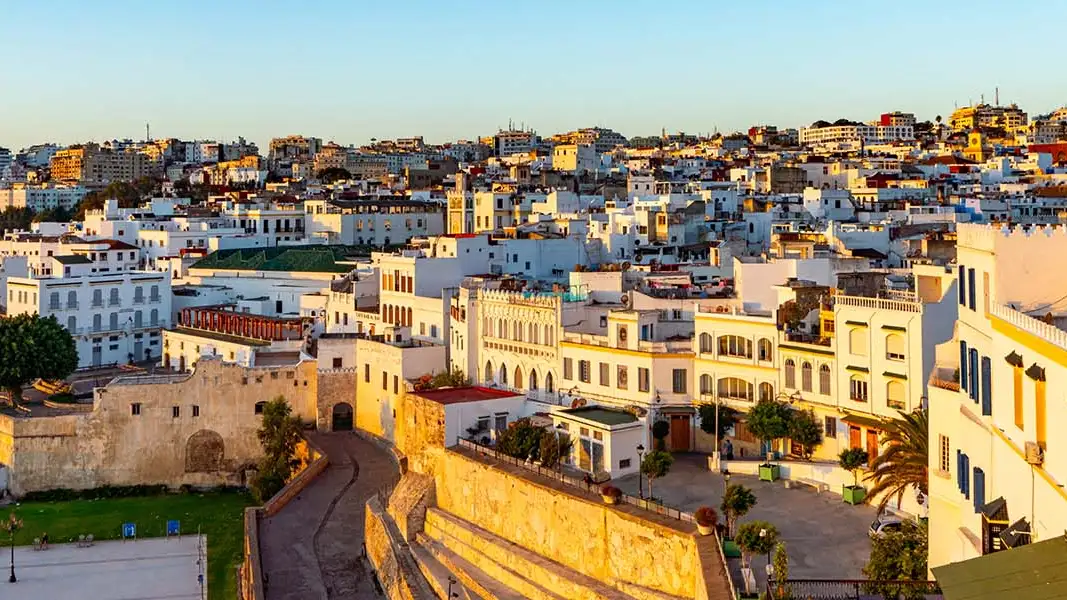
TANGIER
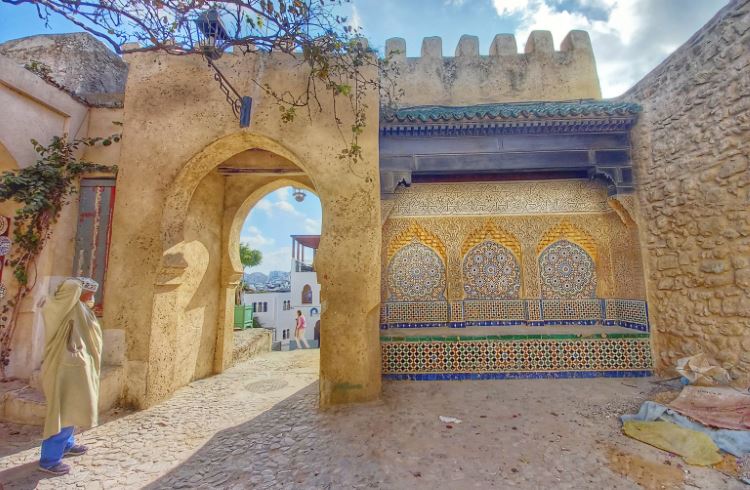
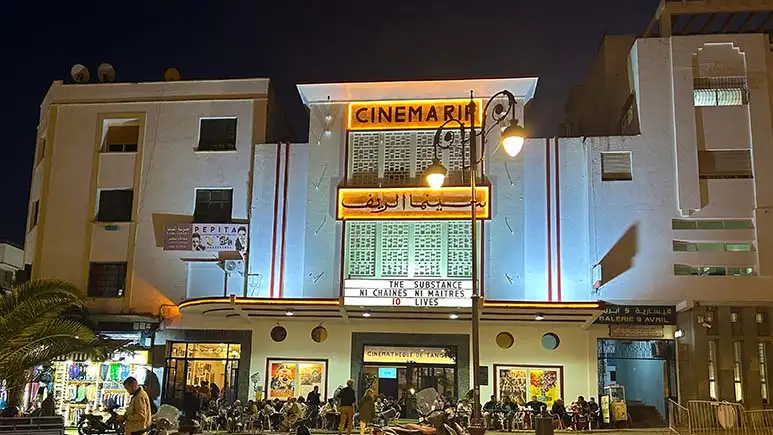
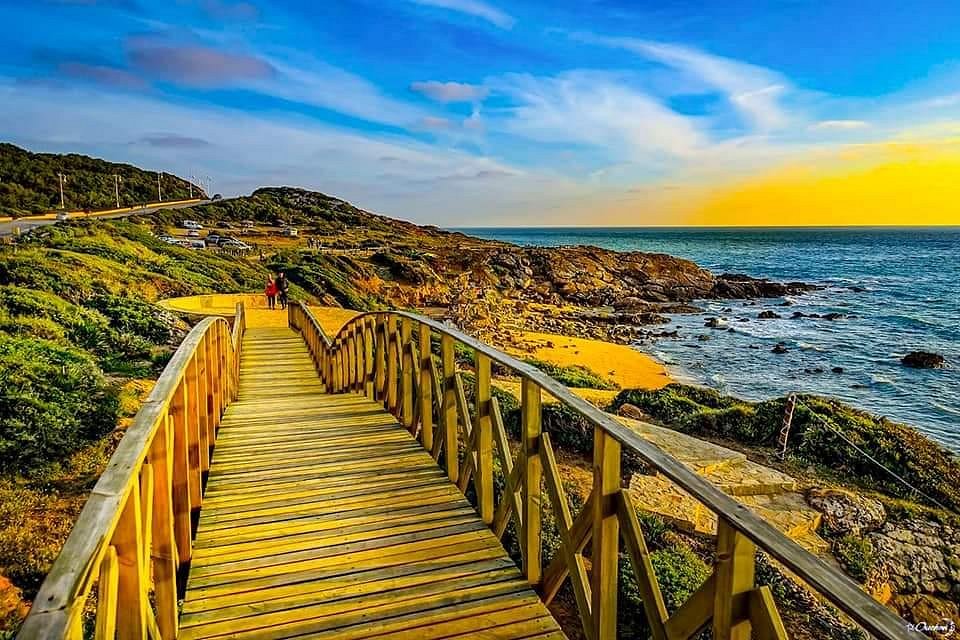
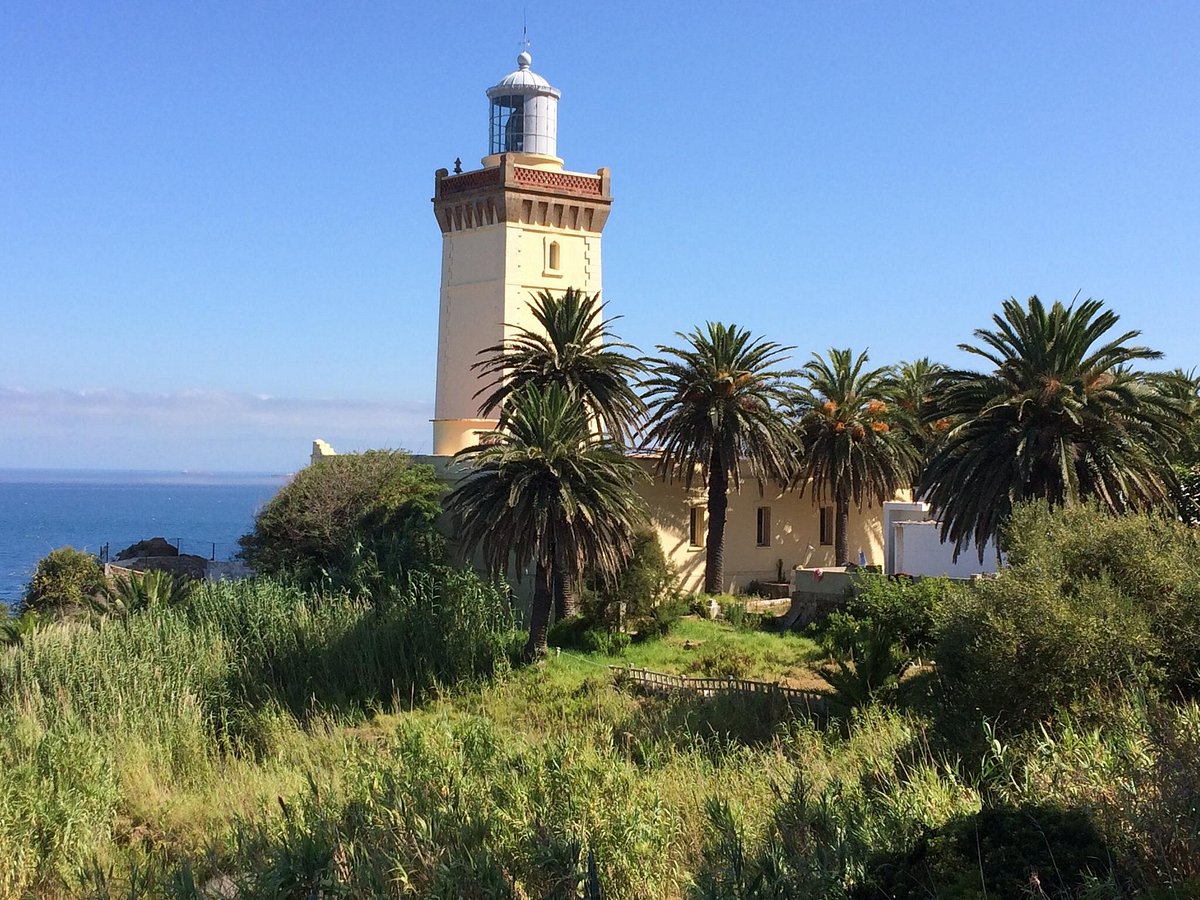
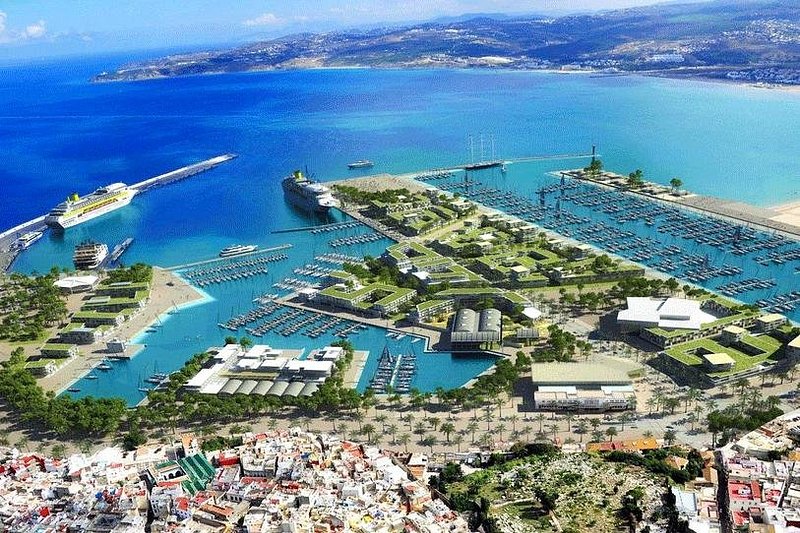
Situated on Morocco’s northern coast, Tangier has a rich and fascinating history shaped by a diverse mix of cultures. This unique blend has transformed it from a once overlooked city into a modern destination where Mediterranean charm meets traditional Arab heritage. Despite its Mediterranean climate, Tangier experiences relatively high rainfall for North Africa, especially during March and April. Summers are warm, with temperatures ranging between 26–28°C during the day and 17–18°C at night, making its beaches and attractions vibrant and popular. Autumn remains warm through September, while temperatures begin to drop in October and November, bringing a quieter and more relaxed atmosphere.